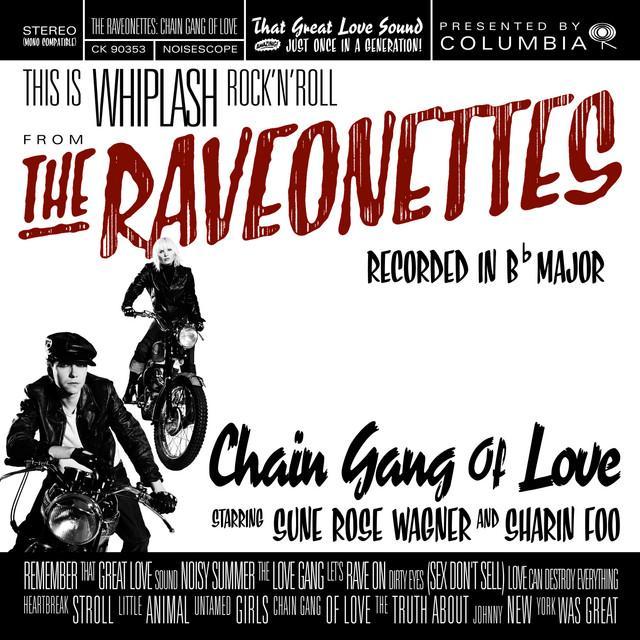
Why 'Remember' by The Raveonettes Still Hurts
The meaning of Remember The Raveonettes comes down to a painful contrast: the song looks back at a time that felt alive, open, and full of possibility, while the present feels damaged by addiction, bad choices, and emotional distance. It is a song about memory, but it is not comforting. Their memories sting because they show how far the speaker and the other person have fallen.
"Remember" - The Raveonettes
Tonight you're doing something
This fix is more important than you are
Loading lyrics...
Unable to load lyrics
We're unable to display the lyrics at this time. Please try again later.
The Raveonettes often mix sweetness with menace, and that tension matters here. In a 2008 Pitchfork interview, Sune Rose Wagner said the Lust Lust Lust era was shaped by personal experience, darker themes, and a more minimal, distorted sound. He also said he played everything on the album and aimed to use as few musical elements as possible. That context helps explain why “Remember” feels so stripped, bleak, and direct.
A Love Song Turned Into a Warning
At its core, “Remember” sounds like one person talking to someone they care about but can no longer reach. The opening lines describe a person choosing a harmful escape over human connection. When the lyric says this fix is more important
, the song frames addiction or compulsion as a rival to love itself.
That is why the song feels less like a breakup anthem and more like an intervention whispered in the dark. The speaker sees someone pulled toward the street, toward another man, and toward self-destruction. The repeated idea is simple and cruel: something else keeps becoming “more important” than the person’s own worth.

Watch the official Remember
music video
Who They Are Speaking To
The song addresses a “girl,” but the language stays blurry enough to feel symbolic. She may be a lover, a friend, or even a younger version of a self that got lost. Interpretation: that ambiguity gives the song its force, because the listener can hear both accusation and grief at once.
When the lyric asks where she was on that ideal past day, it is not really asking for a location. It is asking when the emotional shift happened. The song suggests there was once a moment when life offered innocence, romance, and hope, but she either missed it or could not hold onto it.
Memory Is the Real Chorus
The emotional center of the track is the word Remember
. The chorus does not just look back for pleasure. It compares two worlds: one where summer and the streets felt full of life, and one where that energy has disappeared.
Remember when the heat could
Knock you off your feet
Those lines are brief, but they do a lot of work. They turn heat into a symbol of youth, desire, and intensity. The speaker remembers a time when feeling overwhelmed was exciting. Now, that same intensity seems gone, replaced by numbness and danger.
The next image, about the streets once being good, is especially important. Streets in this song are not just physical places. They represent freedom, temptation, and survival. In the past, the outside world seemed to welcome the speaker. In the present, it feels harsher and less forgiving.
Summer, Moonlight, and Broken Promise
The meaning of Remember The Raveonettes also lives in its dreamy images. Summer should suggest freedom and pleasure, yet here it feels unstable. The line can this summer turn you on
sounds almost desperate, as if the speaker hopes beauty can still reach someone who has gone emotionally cold.
Then the song turns inward. The phrase walk inside yourself
suggests isolation, self-examination, or being trapped in one’s own mind. That makes the next image, where the moon disappoints, feel especially sad. The moon usually stands for romance, mystery, or comfort in night songs. Here, even the moon has let you down
.
That image fits The Raveonettes’ larger style. Their music has long balanced 1950s pop beauty with distortion and noir darkness, a mix noted in profiles of the band such as their artist page. In “Remember,” familiar romantic symbols do not heal anything. They fail.
The Sound Makes the Damage Feel Closer
The production deepens the song’s meaning. Wagner told Pitchfork that Lust Lust Lust was intentionally minimal, dark, and built with restrictions, including unusual drum choices and less bright high-end sound. That matters because “Remember” does not surround pain with lush comfort. It leaves space around it.
The likely result for listeners is a feeling of emptiness and pressure at the same time. Distortion adds grit, but the arrangement does not explode into catharsis. Instead, it circles the wound. That makes the track feel intimate, almost trapped, as if the speaker is reliving the same memories and disappointments over and over.
Two Strong Readings of the Song
A portrait of addiction
The clearest reading is that the song addresses substance use and the way it rearranges love, loyalty, and self-respect. Words like fix
and the images of street life point in that direction. In this reading, memory becomes a tool of mourning: the speaker remembers who this person used to be.
A broader song about corrupted desire
Interpretation: the song can also be heard more broadly as a critique of desire itself. Wagner said songs from this period wrestled with lust, love, sex, and other urges that may be thrilling but destructive. In that reading, the person in “Remember” is not only lost to drugs. She is lost to appetite, fantasy, and false promises.
Why the Song Still Lingers
What makes “Remember” memorable is that it never acts certain that things can be fixed. The closing plea, make it right
, is short and exposed. It sounds more like hope under pressure than confidence.
That is why the song stays with people. It captures the moment when nostalgia stops being warm and starts becoming evidence. The past is not recalled to escape the present. It is recalled to measure the damage.
For many listeners, that is the true meaning of Remember The Raveonettes: a dark recollection of love, youth, and possibility spoken to someone drifting away from all three.
Disclaimer: This interpretation is based on the released lyrics, the band’s documented creative context, and reasonable critical reading. Like many songs, “Remember” can support more than one meaning.








