Why “Hammond Song” Still Cuts Deep
The meaning of Hammond Song The Roches starts with a warning, but it does not stay that simple. On the surface, the song sounds like family members begging someone not to leave with the wrong man. Under that story, though, there is a deeper struggle about freedom, fear, and the cost of choosing a life that other people do not understand.
"Hammond Song" - The Roches
You'll never come back
In my opinion you're
Loading lyrics...
Unable to load lyrics
We're unable to display the lyrics at this time. Please try again later.
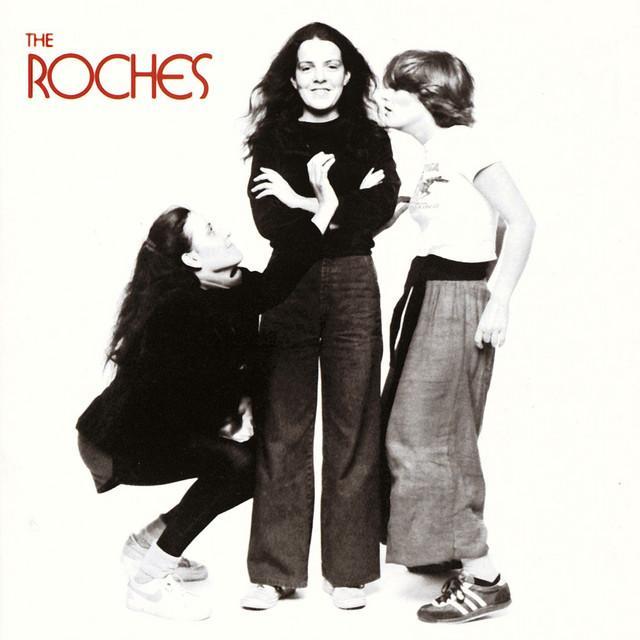
“Hammond Song” appears on The Roches, the trio’s 1979 debut album, and it was written by Maggie Roche. According to Pitchfork’s review of the album, the song grew from Maggie and Terre Roche’s real move to Hammond, Louisiana, after a bruising experience in the music business. That real escape helps explain why the song feels so personal even when its story stays slightly mysterious.
A Warning Song That Becomes a Plea
At first, the narrator seems firm. The repeated idea behind you’ll never come back
sounds like a blunt family warning. Someone is leaving, and the people around her think she is making a mistake.
But the song keeps shifting. The family says they love her, yet they also judge her choices. They act protective, but they also sound controlling. That tension is the heart of the song: concern and criticism become hard to separate.
Interpretation: the song is less about one bad boyfriend than about what happens when a woman chooses her own path and the people closest to her cannot accept it.

Watch the official Hammond Song
music video
Who Is Speaking in “Hammond Song”?
One of the song’s smartest moves is how it changes perspective. Early on, the voice sounds like sisters or relatives speaking to the woman who wants to go. They frame her decision as wasteful, almost as if she is ruining her future.
Then the song turns. The line I went down to Hammond
changes the emotional center. Suddenly, the person being judged speaks for herself. She is no longer only the subject of other people’s warnings. She becomes the one telling the story.
That switch matters because it breaks the neat moral lesson. This is not just a cautionary tale. It is a clash between family fear and personal need.
The “disease” line changes everything
When the singer says this disease
, the song opens up even more. The word suggests restlessness, longing, or a family pattern of wanting to run, leave, or start over.
Interpretation: this is not really a disease in a literal sense. It sounds more like an inherited urge toward escape, independence, or emotional risk. In that reading, the singer is saying she is not uniquely reckless. She belongs to a family that may share the same impulse, even if they deny it.
Hammond as a Place and a Symbol
Factually, Hammond refers to Hammond, Louisiana, the place Maggie and Terre Roche went after stepping away from industry pressure, as noted in Pitchfork’s review. That background gives the song a real-world anchor.
In the song, however, Hammond also works as a symbol. It becomes the place people go when they can no longer live by other people’s rules. It is distance, risk, reinvention, and maybe exile too.
That is why the title place feels both ordinary and mythic. “Hammond” is not painted as glamorous. It is simply elsewhere. And elsewhere is enough to frighten the people left behind.
The Family Drama Is the Real Story
The man in the song matters, but probably less than he first appears to. The lyrics mention that fella
, yet he feels almost like a trigger for a bigger conflict already waiting to happen.
What really hurts is the family dynamic. The speaker is told to stay in school, not be foolish, and avoid throwing herself away. Those lines carry social expectations: be sensible, be safe, do what respectable people do.
Then the song reaches one of its most vulnerable moments with Tell me I’m okay
. After all the warnings and arguments, the emotional core is uncertainty. The singer may be brave enough to leave, but she still wants reassurance.
That is why the song feels so human. Independence here is not clean or triumphant. It comes with guilt, doubt, and a need to be understood.
They say we meet again
On down the line
How far away?
In that brief passage, reunion sounds possible but painfully vague. The future exists, yet it offers little comfort right now.
How the Sound Carries the Meaning
The power of “Hammond Song” is not only in the words. It is in how the Roches sing them. Their close harmonies make the song feel like several minds speaking at once: sisters warning, pleading, doubting, and remembering.
Pitchfork describes the arrangement as a kind of Greek chorus, and that fits well. The voices blend, then separate, as if the song cannot decide whether it is one argument or many. That musical design mirrors the emotional confusion in the lyric.
Producer Robert Fripp kept the album sparse, with only careful additions. On this track, his electric guitar line adds a cool, aching edge without crowding the vocals. The result is intimate but unsettled. The music never lets the listener relax into a simple answer.
Why the Song Endures
Part of the reason “Hammond Song” lasts is its ambiguity. It does not fully side with the family, and it does not fully romanticize escape either. Leaving may be necessary, but it can still wound everyone involved.
That balance has helped make the song one of the signature pieces on the Roches’ debut. The album reached No. 58 on the Billboard 200, and its reputation has only grown over time. Critics have long praised the trio’s ability to sound funny, raw, and frighteningly honest all at once.
The Lasting Meaning of “Hammond Song”
The meaning of Hammond Song The Roches is about more than going somewhere else. It is about what happens when self-determination collides with family love, family judgment, and the fear that choosing one life means losing another.
Interpretation: the song suggests that leaving is sometimes both a mistake and a necessity, depending on who gets to tell the story. That unresolved tension is exactly why it still hits so hard.
Disclaimer: This interpretation blends documented context with close reading of the lyrics and music. As with many great songs, listeners may hear different meanings in the same lines.








