Why 'Ruby Tuesday' Still Breaks Hearts
The meaning of Ruby Tuesday The Rolling Stones often comes down to one painful truth: they are singing about someone they love but cannot keep. The song does not attack that person for leaving. Instead, it admires her freedom even while mourning the loss.
"Ruby Tuesday" - The Rolling Stones
Yesterday don't matter if it's gone
While the sun is bright
Loading lyrics...
Unable to load lyrics
We're unable to display the lyrics at this time. Please try again later.
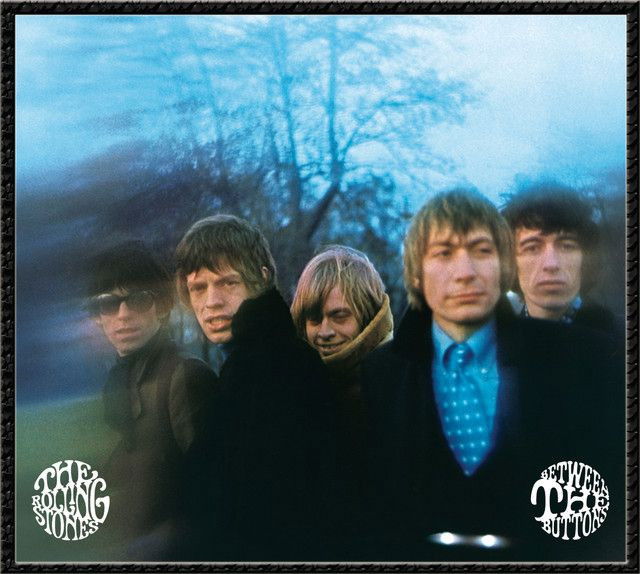
Released in 1967 and credited to Mick Jagger and Keith Richards, the track became one of the band’s most tender hits during a period when they were broadening their sound beyond hard-edged rock. It appeared on the U.S. edition of Between the Buttons, and it reached No. 1 in the United States, helping show the group could be reflective as well as rebellious.
A farewell to someone impossible to hold
At its core, the song sketches a woman who stays mysterious. She does not explain herself, and she resists being pinned down. Early lines describe someone whose past is unclear and whose movements are unpredictable. That vagueness matters because the singer is not just losing a person; they are confronting a personality built around motion.
When the chorus arrives with Goodbye, Ruby Tuesday
, it feels less like anger and more like acceptance. The next key idea, Who could hang a name on you?
, suggests that labels fail her. She changes too quickly, too naturally, to fit into somebody else’s plan.
Interpretation: Ruby represents the kind of person who values self-determination over attachment. The singer understands that, but understanding does not make parting easier.

Watch the official Ruby Tuesday
music video
The central tension: freedom versus closeness
What gives the song its emotional pull is that it never turns freedom into a simple virtue or a flaw. The narrator clearly sees Ruby’s point of view. In one of the most important moments, the lyrics say she needs to be so free
. That line frames her independence as something essential, not selfish.
The next thought sharpens the conflict. She just can't be chained
to a life that feels emotionally dead. In plain terms, she would rather risk uncertainty than accept comfort without meaning. That idea fits the late-1960s climate, when many pop songs were exploring personal liberation, travel, and the rejection of social rules.
Still, the song never sounds triumphant. The singer respects her choice but pays the emotional price. That is why the chorus lands so hard: they are not asking her to stay, yet they are still grieving.
How the verses build Ruby’s character
Each verse adds a new layer to Ruby rather than telling a full story. One verse focuses on mystery, another on independence, and another on urgency. Near the end, Ruby’s philosophy becomes clearer through the advice to Catch your dreams
. The message is simple: life moves fast, and losing one’s deepest hopes can feel like losing oneself.
That final idea expands the song beyond romance. Ruby is not only a hard-to-hold lover. She can also be heard as a symbol of youth, possibility, or the fleeting moment when a person chooses adventure over safety.
A brief map of the song’s emotional arc
- They introduce Ruby as elusive and hard to know.
- They admit she lives by freedom, not permanence.
- They realize they cannot change her.
- They say goodbye with affection, not bitterness.
That arc is why the song feels mature. It recognizes that love does not always lead to possession or permanence.
Why the music sounds so wistful
The arrangement is a big part of the song’s meaning. Unlike many Rolling Stones tracks built on swagger and blues grit, “Ruby Tuesday” leans into softness. Its recorder line, piano, and measured rhythm create a drifting, almost fragile mood. The production leaves room for melancholy instead of force.
That gentler palette mirrors the lyrics. A harsher arrangement might have made the song sound resentful. Instead, the music suggests memory, distance, and tenderness. Even the vocal delivery sounds reflective, as if the singer is already looking back on the relationship while it slips away.
This contrast also matters in the band’s catalog. Around the same era, The Rolling Stones could sound sneering, playful, or provocative. Here, they sound wounded in a quiet way. That emotional restraint helps the song age well.
Two strong ways to read Ruby
Interpretation 1: Ruby is a specific woman. Many listeners hear the song as a portrait of one unforgettable person. The detailed emotional response supports that reading. The singer misses her, not just the idea she represents.
Interpretation 2: Ruby is a symbol of change itself. Because the lyrics keep her background vague and stress constant transformation, she can also stand for a period of life that refuses to last. In that reading, saying goodbye to Ruby means saying goodbye to youth, spontaneity, or a dream that cannot survive ordinary routine.
Both readings work because the song is written with just enough detail to feel personal and just enough openness to feel universal.
Why the song still resonates now
The meaning of Ruby Tuesday The Rolling Stones remains powerful because many people know this exact heartbreak: caring for someone whose truest self keeps them moving. The song does not reduce that person to a villain. It accepts that some people are meant to be remembered more than kept.
That generosity is the song’s quiet wisdom. It says love can be real even when it cannot become stable, and goodbye can carry respect along with pain.
Disclaimer: This interpretation blends widely known historical context with lyrical analysis. As with most great songs, listeners may hear different meanings in "Ruby Tuesday."








