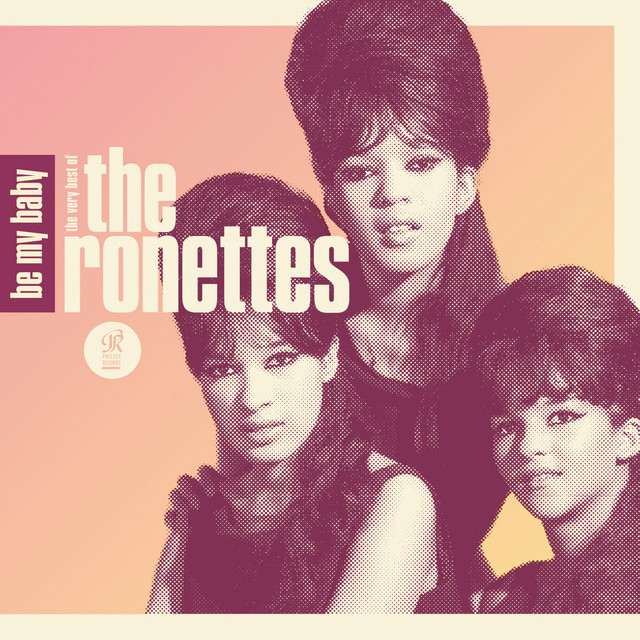
Baby, I Love You by The Ronettes
A love song that feels bigger than life
The meaning of Baby, I Love You The Ronettes starts with a simple idea: someone is overwhelmed by love and can no longer hide it. The song does not tell a complicated story. Instead, it captures the exact moment when strong feeling spills over into speech.
"Baby, I Love You" - The Ronettes
Have I ever told you
How good it feels to hold you?
Loading lyrics...
Unable to load lyrics
We're unable to display the lyrics at this time. Please try again later.
That is why the lyric lands so quickly. The singer moves from private emotion to open confession, and the whole record turns that confession into an event. What could have been a small, sweet statement becomes huge, dramatic, and unforgettable.

Watch the official Baby, I Love You
music video
What the lyrics are really saying
At its core, the song is about emotional urgency. The speaker has reached a point where affection is no longer calm or controlled. They try to explain how love feels, but words seem too small for the feeling.
Early lines stress that problem. The singer admits it isn't easy to explain
, which tells listeners that love here is not neat or polished. It is messy, physical, and close to tears. When the song mentions wanting to cry, it shows how joy and vulnerability can exist at the same time.
A little later, the lyric shifts from confusion to certainty. Phrases like I can't live without you
and I love everything about you
push the song into total devotion. This is not cautious romance. It is absolute, teenage, all-in love.
The emotional arc inside a very simple pop song
Even though the words are direct, the song still has a clear emotional arc. It moves through three stages:
- They feel something too strong to hold in.
- Physical closeness makes the feeling impossible to deny.
- The chorus turns that feeling into a public declaration.
That structure matters. The verses build pressure, then the chorus releases it. When the singer reaches Baby, I love you
, it feels earned because the earlier lines have already shown hesitation, excitement, and emotional overflow.
Have I ever told you
How good it feels to hold you?
Those lines summarize the song's main tension: physical closeness creates emotional honesty. Touch leads to confession. In plain terms, the singer realizes that being near this person has made silence impossible.
Why the chorus feels so powerful
The chorus works because it repeats a basic sentence until it becomes almost overwhelming. Repetition here is not lazy writing. It mirrors the way people talk when emotions are running high. They do not give speeches; they repeat what matters most.
Interpretation: The hook can be heard as both a love confession and a plea for reassurance. The singer is saying the words out loud, but they also want to hear them returned. That reading is supported by the verse that asks the other person to feel the same.
This is one reason the record still connects. Many love songs describe romance from a distance. This one lives inside the nerve-racking moment of saying it first.
The Ronettes context matters
The Ronettes were central figures in 1960s girl-group pop, and their sound helped define an era. Ronnie Spector's lead voice was especially important: cool, emotional, and instantly human. According to the Rock & Roll Hall of Fame, the group became one of the signature acts of the early 1960s.
This context sharpens the song's meaning. The Ronettes often sounded glamorous, but they also sounded young enough to make big feelings believable. That balance gives the song its magic. It is polished pop, yet the emotion feels unguarded.
The track was written by Ellie Greenwich, Jeff Barry, and Phil Spector, three major architects of Brill Building-era pop. Their craft helps explain why the song feels so immediate. The words are simple on purpose, shaped to be sung, remembered, and felt fast.
How the production turns love into drama
The production is a huge part of the meaning of Baby, I Love You The Ronettes. Phil Spector's famous "Wall of Sound" style packed records with layered instruments, echo, and dense arrangement. The Britannica entry notes how this approach created a grand, orchestral pop sound.
That grandness matters here. The lyric is personal, but the music makes it sound monumental. Instead of a quiet confession across a room, the song feels like a declaration filling the sky.
Listeners can hear that in the swelling arrangement, the strong beat, and the way the vocals ride above everything. The backup voices do not just decorate the lead. They make the chorus feel communal, as if one person's feeling has become everyone's feeling.
Key themes and motifs
Several motifs keep the song emotionally focused:
- Holding and kissing: physical closeness triggers honesty.
- Voice and naming: hearing a lover speak confirms intimacy.
- Tears and pressure: love feels almost too strong to bear.
- Repetition: the heart says one thing again and again.
Together, these details make the song less about romance in the abstract and more about the body-level experience of falling hard for someone.
A lasting meaning beyond its era
Today, the song can sound innocent, but it is not shallow. Its power comes from how directly it treats emotional exposure. There is no irony, no cool distance, and no attempt to seem above the feeling.
Interpretation: That sincerity is the real subject of the song. Yes, it is about love, but it is also about the bravery of saying love out loud. That is why the record has lasted. It captures a universal moment with enough melodic force to make it feel timeless.
In the end, the meaning of Baby, I Love You The Ronettes is simple in the best way: love becomes real when it is spoken, and terrifying when it matters. This article offers an interpretation, and listeners may hear different shades of meaning in the song.







