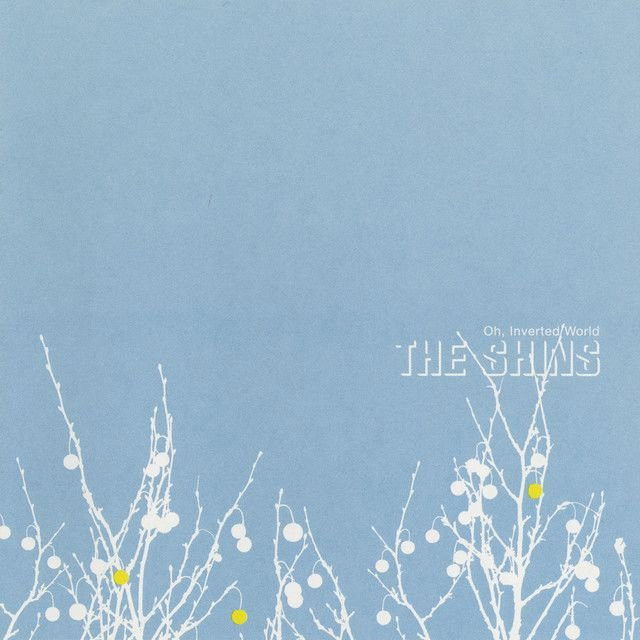
New Slang by The Shins
Why this indie song still lingers
The meaning of New Slang The Shins starts with a feeling many listeners know well: being stuck in a place, a phase, or a version of themselves that no longer fits. Released in February 2001 as the lead single from Oh, Inverted World, the song became the band’s breakthrough and later grew even bigger after its use in Garden State and other TV and film placements (Wikipedia).
"New Slang" - The Shins
Were all in my mouth
Only I don't know how they got out, dear
Loading lyrics...
Unable to load lyrics
We're unable to display the lyrics at this time. Please try again later.
Factually, James Mercer wrote the song, and he later described it as tied to his late-20s upheaval, depression, and frustration with his hometown scene in Albuquerque (Wikipedia). That background matters because the lyrics sound private and strange at first, but they come from a real emotional crossroads.

Watch the official New Slang
music video
The heart of the song: loneliness with a wish for change
At the center, the narrator sounds cut off from other people and uneasy with his own mind. Early on, the image gold teeth and a curse
suggests both talent and bitterness. Mercer has said that opening idea referred to his songwriting gift and his negative feelings toward Albuquerque (Wikipedia).
From there, the song turns inward. When the narrator wants to be changed back into someone simpler, he seems tired of self-awareness. He is not proud of being enlightened; he seems exhausted by it. Interpretation: the song treats maturity as a burden, not a triumph.
That is why the refrain matters so much. The repeated idea that someone might take to him like a bird catching wind turns connection into rescue. If that happened, life might move again. The fantasy is small and huge at once: love, escape, belonging, maybe all three.
A speaker watching life from the outside
One of the most moving lines is the confession I'm looking in on the good life
. The song does not describe success directly. Instead, it shows someone standing outside it, almost like a person looking through a window.
That outsider position shapes the whole lyric. The narrator sees signs of ordinary living, aging, food, work, dawn, and routine, but all of it feels off. The phrase the dirt in your fries
turns a normal image into something disappointing. Everyday life is not comforting here; it is contaminated, dull, and faintly absurd.
Interpretation: this is why the title matters. “New slang” may suggest a new language for living, a fresh code, or a new way to interpret the same old world. The narrator is not only unhappy; he lacks the vocabulary to turn his life into something meaningful.
How the lyrics move from sarcasm to despair
The song is full of odd jokes and sharp little curses. The darkest example comes in the bakery verse, where the narrator sends a grim blessing toward workers at dawn. The image is so exaggerated that it almost reads like black humor.
But that humor does not cancel the pain. It reveals it. Someone this sarcastic is trying to push the world away before it can disappoint him again. Later, when he admits my head's to the wall
and says he is lonely, the mask drops. The song finally names the emotion that the strange images have been circling all along.
Dawn breaks like a bull through the hall
Never should have called
my head's to the wall
and I'm lonely
That short passage is the clearest emotional key in the song. Morning arrives violently, regret follows, and loneliness becomes impossible to hide.
What the sound adds to the meaning
Part of why the meaning of New Slang The Shins hits so hard is that the arrangement never overstates the pain. Critics often described the song as a folk-pop or psych-folk ballad with a soft, strummed feel and a striking melody (Wikipedia).
The acoustic guitar keeps things plain and intimate. The rhythm shuffles rather than drives, which makes the song feel suspended, as if it is wandering instead of arriving. Mercer’s vocal sits lightly above the track, almost fragile, and that softness makes the sharper lyrics feel more human.
In other words, the music sounds gentle while the words carry confusion, resentment, and longing. That contrast is a big reason the song lasts. It does not scream its sadness; it lets it drift in.
Artist context changes the reading
Mercer said the song came from an “angst and confusion” period and from feeling disconnected from the Albuquerque scene, which he described as macho and aggressive (Wikipedia). He also compared that stage of life to a Saturn return, a period of upheaval and identity change (Wikipedia).
That context makes the song feel less random. The odd images are not nonsense. They sound like thoughts from someone whose life is changing before he can fully explain it.
The song’s later rise in pop culture also shaped how people heard it. After Garden State, many listeners treated it as a life-changing indie anthem, and the exposure helped push Oh, Inverted World to major sales milestones in the U.S. (Wikipedia). Even so, its emotional core remained intimate: one person trying to imagine a different life.
Final takeaway
So, what is the meaning of New Slang The Shins? Most convincingly, it is a song about feeling trapped between who they were and who they might become. It captures loneliness, small-town frustration, romantic hope, and the need for a new inner language.
Interpretation: listeners can hear it as a breakup song, an escape song, or a quarter-life-crisis song. All three fit because the real subject is transition.
That openness is part of its power. The song never solves the narrator’s life. It just gives that confusion a beautiful shape.
Disclaimer: This interpretation mixes documented artist context with critical reading of the lyrics. Song meaning can remain subjective, and different listeners may hear different emotional truths in "New Slang."








