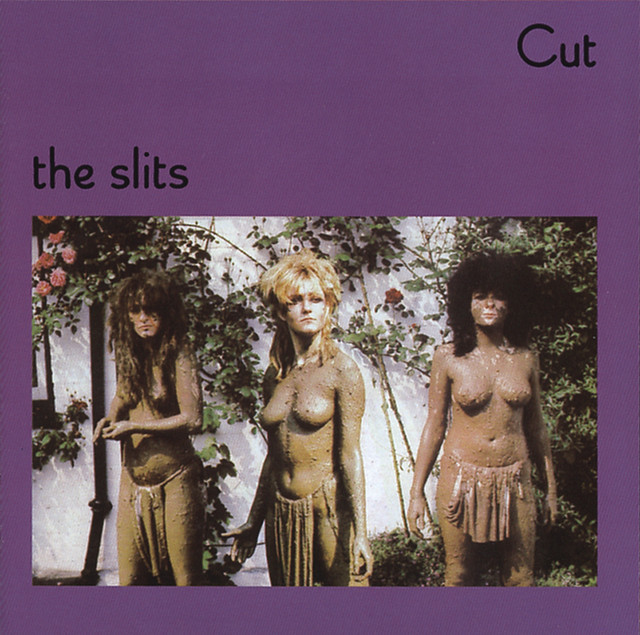
I Heard It Through The Grapevine by The Slits
A breakup song turned inside out
The meaning of I Heard It Through The Grapevine The Slits starts with a familiar story: someone learns a relationship may be ending, not from their partner, but from gossip. The original song, written by Norman Whitfield and Barrett Strong for Motown, is built on shock, jealousy, and hurt. In that sense, the plot is simple.
"I Heard It Through The Grapevine" - The Slits
'Bout your plans to make me blue
With some other guy you knew before
Loading lyrics...
Unable to load lyrics
We're unable to display the lyrics at this time. Please try again later.
What makes The Slits' version interesting is not a rewrite of the words, but a rewrite of the feeling. Their cover takes a polished soul classic and drags it into a rougher, stranger world. Instead of smooth heartbreak, they give listeners tension, sarcasm, and unease.
Factually, the song was first released by Gladys Knight & the Pips in 1967, while Marvin Gaye's later version became a huge No. 1 hit and one of Motown's signature recordings, as outlined by Wikipedia. The Slits later recorded their post-punk take as the B-side to Typical Girls. That context matters because they were not just covering a hit. They were arguing with pop history.

Watch the official I Heard It Through The Grapevine
music video
What the lyrics are saying
At the lyric level, the narrator is in emotional free fall. They have heard, secondhand, that a lover may leave them for someone else. The pain comes from two wounds at once: possible betrayal and public humiliation.
The key phrase is heard it through the grapevine
. In plain terms, that means rumor, hearsay, and social chatter. The narrator is not even sure the story is true, which adds a layer of panic. They are trapped between suspicion and proof.
A second important phrase is make me blue
. That older expression sounds gentle, but the feeling is not. It points to sadness that is already starting before the breakup is even confirmed.
Not much longer would you be mineI'm just about to lose my mind
Those lines show the song's emotional engine. The fear is not only losing love. It is losing control. The narrator's imagination starts running ahead of the facts, and that is why the song still feels modern. Rumor can do damage before truth arrives.
Why The Slits make it mean something new
From Motown heartbreak to post-punk distrust
Interpretation: The Slits turn the song into a critique of social performance. In soul versions, the narrator's pain is direct and dramatic. In The Slits' hands, the same words can sound more suspicious, even mocking. That changes the center of gravity.
Rather than inviting listeners to melt into heartbreak, they make them sit with discomfort. The message becomes less "my lover hurt me" and more "look how messy, theatrical, and unstable human communication is." That is very much in line with punk and post-punk, which often challenged the idea that pop songs should sound neat or emotionally tidy.
This is why phrases like plans to make me blue
and you could have told me
hit differently here. They still describe betrayal, but they also expose failures of honesty and intimacy. Nobody speaks directly. Everyone hears things through networks, scenes, whispers, and performance.
The sound tells the story too
The original Motown recordings are famous for controlled emotion and strong musical architecture. Marvin Gaye's version, for example, used layered vocals, Funk Brothers rhythm tracks, and orchestral strings under producer Norman Whitfield. Critics have often praised its slower, mysterious mood.
The Slits go the other way. Their version is sparse, off-center, and elastic. The groove feels unstable on purpose. The bass and drums do not simply support the singer; they create a nervous atmosphere around the words.
That matters for meaning. A song about rumor should feel slippery. A song about emotional doubt should not sound fully settled. The Slits understand that and build uncertainty into the performance.
Vocals as character
Ari Up's voice does not present heartbreak in the grand Motown way. She sounds freer, weirder, and less obedient to the expected melody. That creates distance from the narrator's pain, but not indifference.
Interpretation: Their vocal approach suggests someone trying to stay cool while emotion leaks through. Instead of noble suffering, they give listeners jagged feeling. That makes the song less about romantic tragedy and more about the social chaos around it.
Themes hiding in plain sight
Several themes make this cover worth revisiting:
- Betrayal: The central fear is that love has already been redirected elsewhere.
- Rumor: The real villain may be gossip itself, not just the unfaithful partner.
- Powerlessness: The narrator reacts to information they did not control.
- Public versus private life: Personal pain becomes social knowledge.
- Gender and performance: The Slits, as an all-female punk band, reframe a classic song through a less submissive lens.
That last point is especially important. The Slits often challenged how women were supposed to sound and behave in rock. So when they sing a song associated with classic soul vulnerability, they do not simply copy it. They test it.
How lines connect across the song
The opening sets up discovery: the narrator learns of secret plans
. The middle deepens the wound by stressing that the partner did not speak honestly. Then the chorus repeats the rumor itself until it becomes almost suffocating.
This structure mirrors anxiety. First comes the tip. Then denial. Then obsessive replay. By the end, the title phrase feels less like information and more like torment.
That is why the song remains powerful in any version. It captures the moment before certainty, when a relationship may already be broken but nobody has fully said it out loud.
Why this cover still lands
The meaning of I Heard It Through The Grapevine The Slits is rooted in betrayal, but their cover broadens the song into something sharper. They keep the core story of heartbreak after gossip, yet they make it sound like a world where trust is always shaky and communication is never clean.
For listeners in the United States who know the Motown standard, The Slits' version can be startling. But that tension is the point. They reveal how strong the songwriting is by pulling it away from smooth soul and showing that its deepest subject is uncertainty.
In the end, they do not erase the song's sadness. They rough it up, expose its nerves, and make the rumor feel newly dangerous.
Disclaimer: This article offers interpretation based on the lyrics, recording context, and The Slits' performance style. Meaning can vary from listener to listener.








