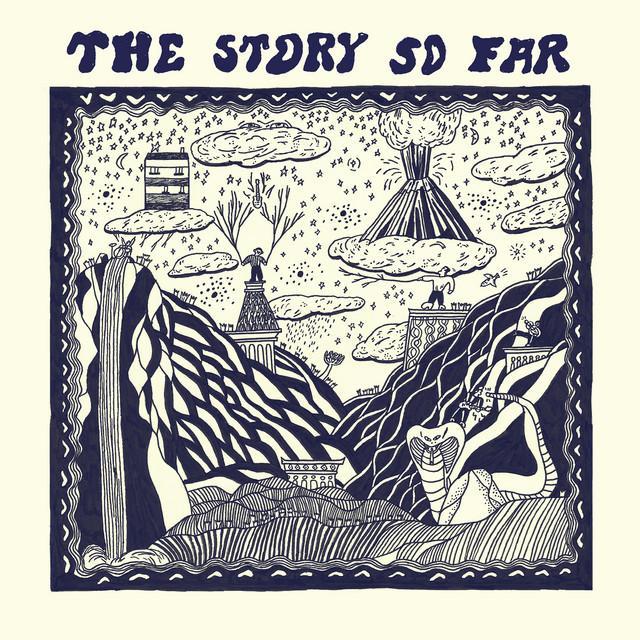
Mock by The Story So Far
The meaning of Mock The Story So Far centers on a painful kind of unfinished separation. The song is not simply about a breakup. It is about knowing a bond should end, yet still feeling tied to the other person through memory, habit, and guilt.
"Mock" - The Story So Far
to leave for good and never talk?
I'm about to write it out for you to mock
Loading lyrics...
Unable to load lyrics
We're unable to display the lyrics at this time. Please try again later.
In that sense, “Mock” captures a very specific emotion: the shame of still caring after things have clearly changed. The narrator sounds caught between honesty and self-protection, worried that if they finally say everything out loud, it will only be dismissed.
The Heart of the Song Is Failed Detachment
At its core, the song asks how someone can really cut contact when the emotional connection is still alive. The opening question, break it off
, is not delivered with confidence. It sounds like they already know the answer: they cannot do it cleanly.
That hesitation matters. Rather than presenting a dramatic ending, the lyrics show someone trapped in the middle stage after damage has already happened. They have been gone long enough to feel distance, but not long enough to feel free.
Interpretation: this is why the title feels sharp. The fear is not just losing someone. It is being vulnerable enough to explain the loss, only to have that pain treated lightly.
Watch the official Mock
music video
A Voice Split Between Blame and Self-Blame
One of the strongest parts of the song is how often the narrator shifts direction. At times, they accuse the other person of acting as if everything is normal. At other times, they turn inward and admit, I make things worse
.
That balance keeps the song from sounding simple or one-sided. They are hurt by the other person’s behavior, but they also know they helped create this mess. The line about not being able to put you first
suggests a deeper failure: they may have cared, but they did not show it in the right way.
This gives “Mock” emotional credibility. It is angry, but it is also ashamed.
Why the Chorus Feels So Uncomfortable
The repeated questions in the chorus create the song’s emotional pressure. Instead of moving the story forward, the chorus circles the same wounded thought: how can the other person still remain close to the narrator’s world while acting emotionally distant?
Small details make that sting. The narrator notices the other person still liking the same music and still moving around them carefully. That suggests shared culture, shared language, and shared habits have survived even though the relationship itself has not.
When they say they are yelling at your ghost
, the song reaches its clearest image. They are no longer dealing with the real person in front of them. They are fighting a memory, a version of the past, and maybe even their own projection of what went wrong.
The Song’s Best Images: Foundations, Hindsight, Ghosts
The imagery in “Mock” is simple but effective. Early on, the narrator describes weak foundations
. That phrase makes the relationship sound unstable from the start, as if it was built on hope more than trust.
Then the song shifts into hindsight. They say they spend their time with the other person in memory, waiting for the right moment to ask questions that may never get asked. That delay shows how closure stays imaginary. They are rehearsing a future conversation instead of living in the present.
The ghost image ties everything together. A ghost is what remains when someone is absent but still emotionally active. In “Mock,” the relationship seems over in reality, yet fully alive in the narrator’s mind.
How The Story So Far’s Sound Sharpens the Meaning
The Story So Far are widely associated with modern pop-punk and melodic hardcore energy, a reputation documented by outlets such as AllMusic and Rock Sound. That style matters here.
“Mock” works because the arrangement does not soften the conflict. The guitars feel tight and driving, the drums push forward, and the vocal delivery carries strain rather than calm reflection. Instead of sounding like a private diary entry, the song feels like emotion bursting out before it can be organized.
Interpretation: that musical urgency mirrors the lyrics’ lack of closure. The narrator is not processing neatly. They are reliving.
Writer Context and What Can Be Said for Sure
The songwriting credits provided for “Mock” list Kelen Capener, Kevin Geyer, Parker Cannon, Ryan Torf, and William Levy. That full-band writing approach fits The Story So Far’s usual collaborative identity as a band-driven act rather than a solo confession.
Factually, that means listeners should be careful not to treat every lyric as literal autobiography. Songs often compress feelings, scenes, and voices for effect. Still, the emotional world of “Mock” fits many themes the band has explored across their catalog: frustration, distance, wounded pride, and the hard work of emotional honesty.
A Reasonable Alternate Reading
The most likely reading is a breakup or post-breakup song. But there is another possible angle. The track can also be heard as being about any close relationship where shared identity lingers after trust fades—friendship, creative partnership, or someone from a formative period of life.
That broader reading makes sense because the lyrics focus so much on influence. The narrator points to things they taught, things they shared, and the way the other person still carries traces of them. The pain comes from seeing that connection survive without true reconciliation.
Why “Mock” Still Lands
The meaning of Mock The Story So Far is powerful because it understands that endings are rarely clean. People do not just leave each other; they keep echoing inside each other’s routines, language, and memories.
That is what makes the song hit so hard. It is about the distance between physical absence and emotional absence, and how long that gap can last.
Disclaimer: This interpretation is based on the lyrics, credited writers, and the band’s musical context. As with most songs, meaning can remain open to listeners’ own experiences.








