Why "Roam" Feels Like a Clean Break
The meaning of Roam The Story So Far comes into focus fast: this is a song about emotional exhaustion, self-protection, and the hard choice to step away. Rather than begging for closure, they frame the breakup as a line finally being drawn.
"Roam" - The Story So Far
Alone, and suffer some more.
This head of stone let's no one in anymore.
Loading lyrics...
Unable to load lyrics
We're unable to display the lyrics at this time. Please try again later.
Released on What You Don’t See in 2013, “Roam” sits in the band’s early era, when The Story So Far were building their name as one of modern pop-punk’s sharpest voices. The California band formed in 2007 and became known for mixing pop-punk melody with a harder, more abrasive edge, a style noted in summaries of their catalog and history (Wikipedia). That mix matters here because the song’s sound and words push the same message: enough is enough.
A breakup song, but not a sad one
At its core, “Roam” is about someone recognizing that staying emotionally attached is ruining their peace. The opening language is harsh and self-directed. When the narrator says Give up and go home
, it sounds like defeat at first.
But the next ideas shift that feeling. They are not just collapsing; they are stripping life down and starting over. The image of tearing down everything but the foundation suggests damage, but also rebuilding. Interpretation: the song treats heartbreak like a renovation. The old structure failed, so they keep the base and begin again.
That is why the song lands differently from a typical breakup ballad. It is not centered on missing someone. It is centered on learning from them.

Watch the official Roam
music video
The real enemy is the cycle
The most important line of thought in “Roam” is not simply “you hurt me.” It is “I keep returning.” The narrator admits how draining it is to keep falling back into the same emotional pattern. Their complaint is not only about the other person’s behavior, but about the way the connection keeps interrupting their life.
When they say fall in and out of you
, they reduce romance to repetition. It sounds mechanical, almost like a bad habit. That phrase turns love into lost time.
This makes the chorus the emotional center of the song. They admit they have been feeling down, even colorless, but they also claim a small victory: I’m alright no thanks to you
. That one line flips the story. Their recovery did not come from reconciliation. It came from separation.
What “roam” really means here
The title sounds open and free, but the song gives it a sharper meaning. Roaming is not a carefree road-trip fantasy. It is distance with purpose.
When the narrator decides to roam outside your boundary
, they are rejecting the other person’s emotional territory. That boundary can be read as control, influence, or just the invisible pull of a toxic attachment. They want space wide enough to stop being dragged back in.
There is also a social angle. The line about untrustworthy friends suggests the relationship exists inside a wider scene full of gossip, parties, and weak loyalties. In that setting, leaving one person may also mean leaving a whole environment behind.
Now my hunger isn't wasted anymore.
I'm younger but I'm tired and I'm sore.
This short moment captures the song’s turning point. They still have drive and desire, but they no longer want to spend it on someone who drains them.
Images of walls, distance, and damage
Several recurring images shape the song’s meaning:
- Stone and closed doors: A
head of stone
suggests emotional numbness and defense. - Unpacking and wrecking: These images imply surrender, but also reset.
- Ridges and the city: Nature and distance stand against crowded, messy social life.
- Bottles and parties: These details hint at escapism and unreliable people.
Together, these images show a person trying to protect what is left of themselves. They are not healed yet. They are sore, suspicious, and still angry. But they are clearer than before.
How the sound carries the message
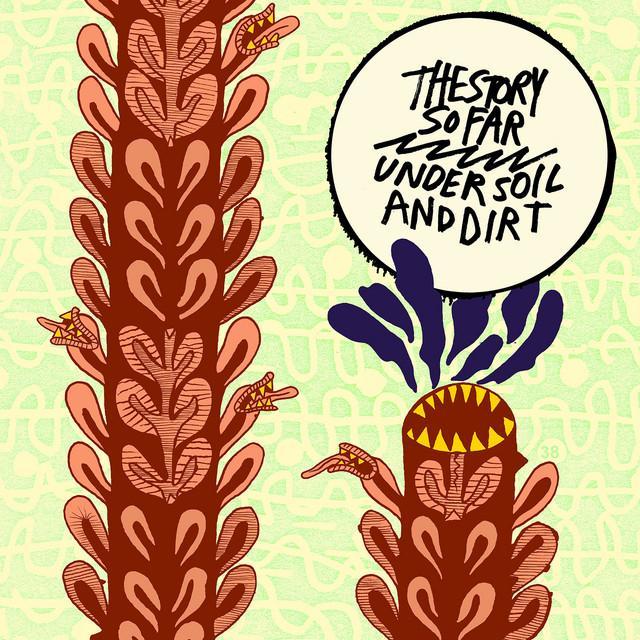
The Story So Far built their early reputation on fast, hooky songs with a hardcore edge, especially on What You Don’t See, which followed their 2011 debut Under Soil and Dirt and reached the Billboard 200 according to band-history summaries (Wikipedia). “Roam” uses that style well.
The guitars hit hard without losing melody. The drums keep the song moving like someone trying not to stop and think too long. Parker Cannon’s vocal delivery sounds clipped and frustrated, which fits lyrics built from short, blunt statements.
That production choice matters. A softer arrangement might have made the song feel defeated. Here, the band make exhaustion sound forceful. They turn burnout into momentum.
A snapshot of early The Story So Far
Songwriting credits for “Roam” are shared by Kelen Capener, Kevin Geyer, Parker Cannon, Ryan Torf, and William Levy. That full-band credit matches how the song feels: tightly locked in, direct, and collective in attack. It also reflects the lineup associated with the band’s breakthrough period, before later changes in membership documented in public band histories (Wikipedia).
In the context of their catalog, “Roam” captures what made early The Story So Far connect with so many listeners in the U.S. pop-punk scene. They took familiar themes—breakups, resentment, self-defense—and delivered them with more bite than self-pity.
The clearest takeaway
The meaning of Roam The Story So Far is not just heartbreak. It is the moment when heartbreak becomes a boundary. Interpretation: the song argues that healing starts when they stop confusing attachment with loyalty.
That is why “Roam” still hits. It understands that sometimes the healthiest move is not forgiveness or revenge. It is simply leaving the emotional radius of someone who keeps pulling life off course.
Disclaimer: This interpretation is based on the song’s lyrics, sound, and publicly available band context. Like all art, “Roam” can support more than one valid reading.







