Why 'Swords and Pens' Still Cuts Deep
The meaning of Swords and Pens The Story So Far comes down to a simple but painful idea: they are turning private hurt into public expression. The song sounds like a breakup on the surface, but it also feels bigger than that. It is about resentment, self-control, and using words as a weapon when trust has already collapsed.
"Swords and Pens" - The Story So Far
Still doesn't mean that I'm not in your head
I'm falling in and out again
Loading lyrics...
Unable to load lyrics
We're unable to display the lyrics at this time. Please try again later.
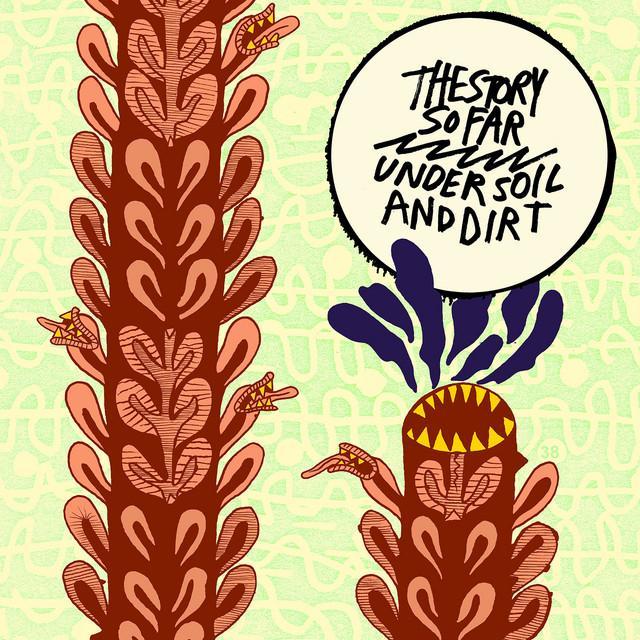
The Story So Far built their name in modern pop-punk with blunt lyrics and high-energy songs, and this track became one of the early fan favorites from their debut album, Under Soil and Dirt.[^1] That context matters. The band often wrote from a place of frustration, and this song captures that emotional style at full speed.
The Heart of the Conflict
At its core, the song presents someone caught between obsession and recovery. They admit they are still mentally stuck, even while trying to move forward. Early lines describe slipping back into feeling too much and wasting time in that cycle.
That is why phrases like falling in and out again
matter. It suggests emotional relapse. They are not healed, but they know they should be.
Interpretation: The song is not just about missing someone. It is about hating the power that person still has over their thoughts.

Watch the official Swords and Pens
music video
A Voice Split Between Anger and Self-Blame
One reason the song lands so hard is that the speaker is not purely blaming the other person. They are also frustrated with themselves. They know they said harsh things. They know they care too much. They know they are still giving energy to a dead connection.
That mix gives the song depth. When they say sleep when I'm dead
, the point is not literal. It paints a person too restless to settle down, almost proud of how worked up they are, even as it exhausts them.
The direct address also sharpens the song. When they ask someone to put yourself in my place
, they are demanding empathy from a person they believe failed to give it.
When the Chorus Turns Pain Into Perspective
The song's biggest emotional pivot comes in the repeated image of the world losing color. The idea that a full spectrum can fade to gray shows how conflict drains joy and clarity. This is not just sadness. It is emotional burnout.
Then the song adds a physical detail: the stress shakes them to the bone. That line turns anxiety into something bodily. They are not only thinking about the damage. They are carrying it in their nerves.
From there, one of the smartest lines appears: let the ink tell you
. That phrase explains the whole song. Instead of winning with force, they write through the anger. The song itself becomes proof of that choice.
The Title Image: Sword Versus Pen
The clearest key to the meaning of Swords and Pens The Story So Far is in the closing contrast: your sword, I've got my pen
. It updates the old idea that words can rival violence.
Here, the sword suggests confrontation, damage, pride, or cruelty. The pen suggests songwriting, testimony, and control over the story. They may not win in a direct fight, but they can define what happened.
Interpretation: This line can be read as a mission statement for pop-punk itself. Instead of staying quiet, they turn conflict into art.
Home, Distance, and Emotional Exile
Another important image appears in the line about wearing their own shoes and walking until they find a place to call home. That image broadens the song beyond one argument. It becomes a song about identity.
Home here does not sound like a building. It sounds like emotional safety. The speaker feels cut off from it, as if betrayal has made them a stranger to comfort, sleep, and even themselves.
That helps explain the line not broke, just bent
. They are damaged, but not finished. The song never reaches peace, but it does reach defiance.
How the Sound Carries the Message
Musically, the track works because it never sits still. The guitars push hard, the drums keep everything urgent, and Parker Cannon's vocal delivery sounds strained in exactly the right way. Rather than smoothing over emotion, the performance leaves rough edges in place.
That matters in pop-punk. Fast tempos can sometimes make lyrics feel lighter than they are, but here the speed feels like panic. The band sounds as if they are outrunning the thoughts in the lyrics and failing.
The production on Under Soil and Dirt is clean enough to make every hook hit, but not so polished that it loses aggression.[^2] That balance supports the song's meaning: it is sharp, emotional, and confrontational without becoming chaotic.
Why Fans Still Connect With It
Part of the song's staying power is how clearly it captures a young adult kind of anger. It is not distant or poetic in a complicated way. It says the ugly part out loud: sometimes people move on in theory long before they move on in practice.
That honesty helped define The Story So Far's early reputation in the 2010s pop-punk wave.[^3] Fans heard songs like this and recognized the mix of wounded pride, insomnia, and stubborn survival.
The Last Word on Its Meaning
So, what is the meaning of Swords and Pens The Story So Far? Most likely, it is about trying to regain control after emotional damage by turning pain into language. The narrator cannot undo what happened, but they can answer it.
In the end, the song is less about revenge than about reclaiming voice. The relationship may be over, the friendship may be ruined, and things may never be the same. But they still get the final statement.
Disclaimer: This interpretation is based on the lyrics, the band's style, and public context. Like most songs, it can support more than one reading.
[^1]: Facts about the album and band discography can be found on reputable music databases such as AllMusic and Discogs. [^2]: Production and release details are commonly documented in album liner notes and major music databases. [^3]: Coverage of the band's place in 2010s pop-punk appears in outlets such as Rock Sound, Alternative Press, and similar publications.








