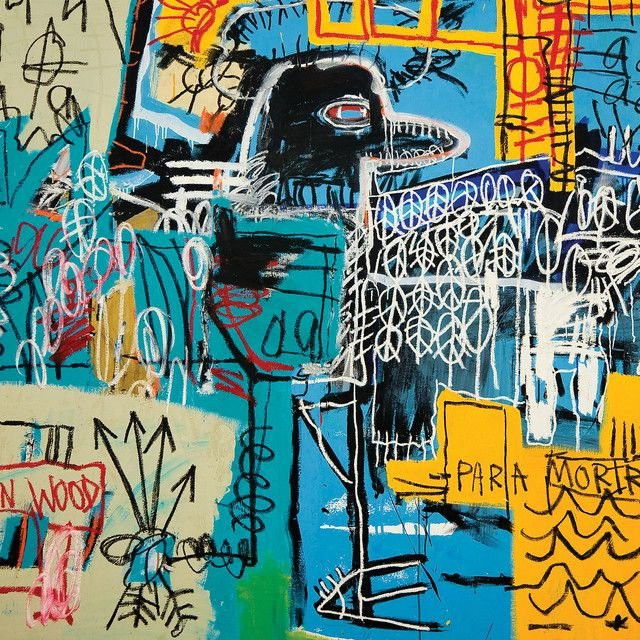
Selfless by The Strokes
A quiet confession sits at the heart of Selfless. The Strokes strip back their swagger and present a plea that sounds both intimate and uneasy. It’s a love song that asks how far devotion should go—and what gets lost along the way.
"Selfless" - The Strokes
Lay your hand across my face, yeah
Time we lost, that's all my fault
Loading lyrics...
Unable to load lyrics
We're unable to display the lyrics at this time. Please try again later.
A Tender Plea at The New Abnormal’s Core
Selfless arrives early on The New Abnormal, the band’s 2020 comeback produced by Rick Rubin. The album’s clean, spacious mix lets guitars shimmer while vocals hover close. That polish serves the song’s mood: reflective, patient, and bruised rather than brash.
The performance favors restraint over frenzy. Guitars ring in overlapping arpeggios, the drums keep a steady pulse, and the bass moves with soft momentum. The setup gives Julian Casablancas room to deliver a near-whispered ache, then reach upward when the emotion crests.
Watch the official Selfless
music video
What the Song Is Really Saying
For listeners searching the meaning of Selfless The Strokes, the through-line is devotion under pressure. The narrator admits fear and confusion but keeps returning to loyalty. When they ask Can the dark side light my way out?
, it frames the song’s tension: can flaws and doubts be used to save a love, not sink it?
They promise presence and perseverance, but not from a place of confidence. The chorus plea Please don't be long
and the vow I will live for you
paint attachment so intense it borders on self-erasure. That choice—healthy sacrifice or risky dependence—powers the song’s ambiguity.
Who’s Speaking, and What Do They Want?
The voice is first-person, speaking to a partner who’s withdrawing or being judged. A question about outsiders critiquing the partner’s body hints at public pressure and insecurity. The narrator positions themself as a shield and a constant: they’re waiting, they’re staying, they’re choosing love.
When they invoke my selfless love
, it’s both declaration and self-check. They want to be better for this person, yet the need feels urgent, even desperate. The song asks: is selflessness noble here, or is it a mask for fear of abandonment?
How the Story Unfolds
- Opening doubt: the narrator wonders if their “dark side” can somehow help them change.
- Physical closeness: they seek comfort in touch, hinting at intimacy as a refuge.
- Outside pressures: mention of judgment suggests the couple isn’t isolated from others’ opinions.
- The vow: the narrator promises to wait and “live for” the partner, defining love as endurance.
- Frustration spike: in the bridge, they grit their teeth—
Bite my tongue
—and take on an “enemy,” which reads like inner conflict or toxic patterns.
These beats circle one dilemma: how to love someone fully without losing oneself.
Symbols in the Dark
- Darkness as guide: The paradox in
Can the dark side light my way out?
suggests using one’s flaws as fuel for growth. - Time and waiting:
I waited for a century
exaggerates patience into myth, which makes the vow feel both epic and exhausting. - The enemy: Facing an “enemy” implies accountability—the narrator naming their own sabotage or a shared external stressor.
- Touch as solace: A hand across the face becomes a gesture of comfort and grounding when words fail.
Each symbol sharpens the central theme: love as a test of endurance and self-knowledge.
Why the Sound Feels So Devoted
Production carries the message. Rubin’s minimalist approach clears space so each guitar figure sings rather than crowds. Fabrizio Moretti’s drumming is controlled, almost metronomic, which underscores steadiness over drama. Casablancas’s vocal sits forward, sometimes feathered with light distortion, making small cracks and breaths part of the feeling.
The harmony leans bittersweet. Bright guitar tones offset a wistful melody, mirroring a narrator who’s hopeful yet haunted. When the chorus opens up, the lift sells devotion without shouting.
Other Ways to Hear It
- Interpretation: A recovery lens. The “enemy” could be addiction or patterns the narrator fights to keep the relationship alive. “Biting my tongue” becomes choosing calm over chaos.
- Interpretation: A fame/pressure lens. Lines about judgment read as the public gaze weighing on a couple, with the narrator promising sanctuary despite scrutiny.
- Interpretation: A codependency warning. Vows like
I will live for you
can signal unhealthy fusion—love that erases boundaries in the name of care.
The song invites all three, which is why it lingers.
The Last Echo
Selfless makes a simple claim complex: real love costs something. By holding tight to patience, naming their flaws, and still asking for closeness, the narrator shows how devotion can be brave—and risky. That open question is the song’s power.
Disclaimer: Song meanings are interpretations based on lyrics, sound, and available context; the band has not provided a single official explanation.








