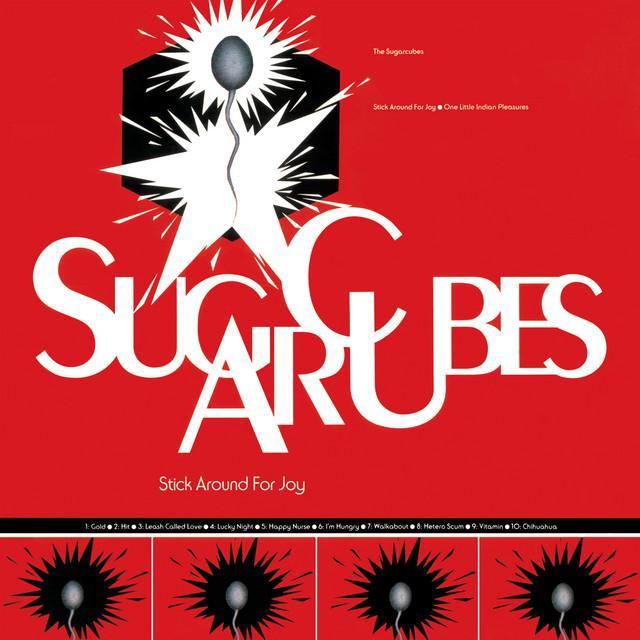
Walkabout by The Sugarcubes
A Strange, Playful Map of Desire
The meaning of Walkabout The Sugarcubes starts with a simple idea: they turn physical attraction into a landscape. Instead of speaking in direct, ordinary love-song language, they describe the body like terrain to cross, study, and admire. That choice gives the song its odd charm.
"Walkabout" - The Sugarcubes
The golden landscape.
I wanna be there
Loading lyrics...
Unable to load lyrics
We're unable to display the lyrics at this time. Please try again later.
On the surface, “Walkabout” is flirtatious and sensual. The speaker admires a lover’s body, but they do so through images of valleys, hills, coves, and peaks. The result is both erotic and funny. It sounds enchanted by desire, yet also aware of how wild and exaggerated desire can feel.
Interpretation: The song is not just about sex. It is about how attraction changes perception. When someone is deeply fascinated, everything can look larger, richer, and more mythic than normal.
Watch the official Walkabout
music video
How the Lyrics Turn a Body Into a World
One of the song’s main tricks is that it keeps blending geography and anatomy. Early lines frame the beloved as a golden landscape
. That phrase matters because it immediately shifts the song away from plain description and into metaphor.
The singer does not just want closeness. They want to stay inside that vision, hidden in the depths of the valleys
. In plain terms, they want immersion, privacy, and intimacy. The body becomes a place where the speaker can disappear.
Later, the lyrics grow more obviously physical. They praise specific features and then say the deepest source of love is the unforgettable smell
of skin. That detail is important. Smell is intimate, instinctive, and hard to fake. It suggests desire that feels animal and immediate, not distant or idealized.
The Double Meanings Are the Point
The song also includes blunt symbolic pairings like there's a hole
and matching objects that enter or move through it. These images are simple enough to catch quickly. They make the song’s sexual meaning hard to miss.
Still, the writing never settles for a single joke. It keeps returning to terrain, fruit, and movement, which gives the song a richer texture than a novelty lyric. The body is fertile, abundant, and generous. Attraction is shown as exploration, not conquest.
Interpretation: That matters because it changes the emotional tone. The song feels less possessive than curious. The speaker sounds captivated, even overwhelmed, rather than dominant.
A Chorus Without a Real Chorus
“Walkabout” does not rely on a standard pop hook so much as a repeating idea. Again and again, the singer returns to the wish to remain in this landscape where no one else can find them. That repetition creates the emotional center.
In other words, the song’s core feeling is not only lust. It is escape. The lover’s body becomes a private refuge from the outside world. When the lyric asks, Is everything a landscape?
it opens the song outward. Suddenly, this is not just about one body. It is about a state of mind where desire transforms everything into scenery.
That is why the long closing section works. The song shifts into a sequence of movement verbs—crawling, jogging, climbing, resting, admiring. The speaker behaves like a traveler crossing terrain, but the meaning stays sensual. The journey becomes a metaphor for arousal, discovery, and fascination.
Walk up the slope
Have a breather between the hills
Then climb the peak
Those lines make the song’s playful strategy completely clear. They describe motion across land while implying bodily intimacy.
Why the Music Makes It Feel Light, Not Heavy
The Sugarcubes were an Icelandic alternative band known for mixing post-punk energy, avant-pop weirdness, and Björk’s striking vocal style during their 1986–1992 run. Their third album, Stick Around for Joy, arrived on February 10, 1992, and included “Walkabout.” The album came late in the band’s career, just before their breakup that same year, after a run that helped bring Icelandic rock to a wider global audience.
That context helps explain the song’s sound. Rather than making the arrangement dark or slow, the band keeps it springy and alert. The rhythm feels mobile, which fits a song about wandering and exploring. The guitars and drums give it a light bounce, so even its most explicit ideas land with wit.
This is important to the meaning of Walkabout The Sugarcubes. If the track were heavier or moodier, the lyrics might feel crude. Instead, the bright, quirky production makes them feel mischievous and imaginative.
Where It Fits in The Sugarcubes Story
By 1992, The Sugarcubes were already internationally known thanks to earlier songs like “Birthday,” and Stick Around for Joy would also produce the hit “Hit.” “Walkabout” itself reached the U.S. alternative chart, showing that even one of the band’s stranger singles could connect beyond cult audiences.
Their appeal often came from contrast: art-rock ideas delivered with pop energy, sweetness mixed with chaos, and Björk’s expressive singing set against the band’s angular edge. “Walkabout” captures that balance very well. It is immediate enough to enjoy as a fun, odd rock song, but it also rewards close reading.
Final Reading: Desire as Exploration
The best way to understand “Walkabout” is to hear it as a song about attraction turning the body into a whole environment. It is sensual, but also comic and imaginative. They present lust as travel, wonder, and temporary disappearance.
Interpretation: The song suggests that intense desire does not just focus attention on one person. It remakes the whole world around them. In “Walkabout,” love and lust are not described as feelings alone. They are a place someone can enter, roam, and get lost in.
Disclaimer: This interpretation is based on the song’s lyrics, musical presentation, and public career context. Like most art, “Walkabout” can support more than one valid reading.








