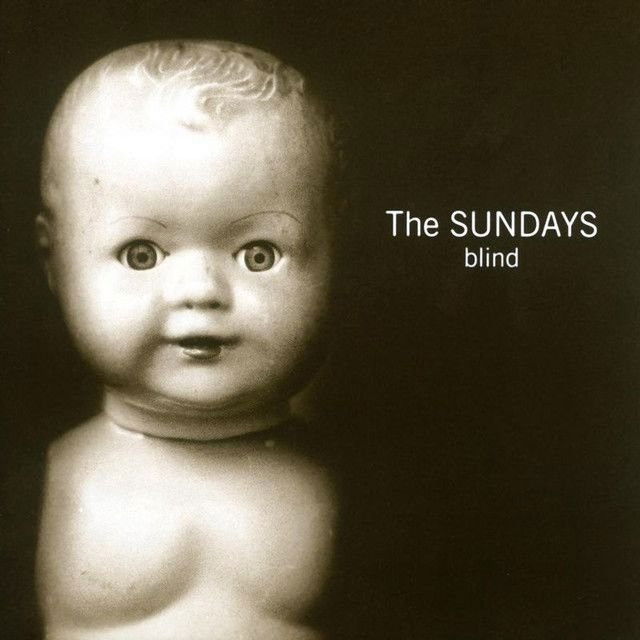
I Feel by The Sundays: Dreaming to Stay Safe
The meaning of I Feel The Sundays comes from a tension the band captures very well: the speaker wants to feel alive, special, and untouched, yet they also sound worn down and ready to disappear. On the surface, the song moves like a bright alt-pop track. Underneath, it feels like a fight between fantasy and reality.
"I Feel" - The Sundays
Don't wake me up yet
O the young & the old they get everything
Loading lyrics...
Unable to load lyrics
We're unable to display the lyrics at this time. Please try again later.
The Sundays built their name on airy guitar music and Harriet Wheeler’s unmistakable voice. The English band formed in Bristol and broke through with Reading, Writing and Arithmetic in 1990, a debut that reached No. 4 in the UK and No. 39 on the Billboard 200, with more than half a million copies sold worldwide, according to the research source provided. That matters here because their style often pairs melodic beauty with emotional uncertainty, and this song fits that pattern.
What This Song Seems to Be Saying
At its core, the song sounds like someone begging for a few more moments inside a protected inner world. When the speaker says Don’t wake me up yet
, the idea is not just sleep. It suggests a wish to avoid demands, judgment, and the dull pressure of everyday life.
Interpretation: they are clinging to a dream-state where they feel important and in control. Early lines suggest sudden confidence, even grandiosity, as if the speaker believes their time has arrived. But that confidence keeps breaking apart. The song quickly turns from self-assertion into uncertainty, especially around the repeated idea of losing the words
.
That detail is important. It implies that even in a fantasy of power, expression fails. The speaker may want to lead, perform, or define themselves clearly, but language keeps slipping away.

Watch the official I Feel
music video
A Voice Split Between Ego and Exhaustion
One of the most interesting things in the meaning of I Feel The Sundays is how unstable the speaker sounds. In one moment, they seem almost triumphant. In the next, they sound drained, irritated, and cut off from others.
The line I’m here, I’m someone to know
points toward self-creation. The speaker wants to matter. They want to be seen. But that burst of identity does not last long before the song undercuts it with frustration and fatigue.
Later, the song leans harder into withdrawal. The speaker says they are tired of everyone
, which shifts the mood from ambition to isolation. That turn makes the song feel psychologically honest. People often want recognition and distance at the same time. They want love, but not intrusion.
The Dream Imagery and What It Does
Dream language shapes the whole song. The speaker does not simply rest; they resist being pulled back into reality. That matters because the dream seems to offer two things:
- freedom from social pressure
- a more flattering version of the self
- distance from emotional pain
When the song suggests movement above ordinary limits, including the striking image of walking on water
, it does not read as literal. It feels like a brief fantasy of transcendence. The speaker imagines being lifted beyond normal weakness.
Interpretation: this may be a portrait of emotional overcompensation. When real life feels disappointing, the mind creates a place where the self is powerful, admired, and untouchable. But because the song keeps returning to tiredness, that fantasy never fully holds.
Love, Hate, and the Mess of Being Human
Another key image is the request for love & hate
on both hands. The phrase suggests duality. The speaker does not want a simple emotional world. They are already living in contradiction.
That helps explain why the song feels jagged beneath its melodic surface. Affection and resentment exist together. Self-belief and self-doubt exist together. Even the title idea of “feeling” becomes unstable, because the speaker feels fine and worn out almost at once.
There is also a curious line about being a man, then immediately qualifying it. That moment sounds like performance rather than certainty. The speaker may be trying on adulthood, authority, or confidence, but not fully owning it.
How the Sound Supports the Meaning
The Sundays were known for bright guitar textures, soft-loud emotional shading, and Wheeler’s delicate but cutting vocal delivery. The research source describes their sound as “lighter-than-air guitar pop,” and that contrast is useful here. Music like that can make troubling emotions seem suspended rather than heavy.
In this song, that likely deepens the meaning. The instrumental feel can sound open and melodic even while the lyrics describe confusion and retreat. That mismatch mirrors the speaker’s state of mind: outward motion, inward collapse.
This is also why a line like the following lands so hard:
I feel fine
Don’t wake me up yet
’cause I feel tired
The emotional contradiction is the point. The speaker says they are fine, then admits the opposite. The song does not resolve that conflict; it lives inside it.
A Wider The Sundays Context
The band’s broader catalog often circles longing, doubt, romantic tension, and distance. Their mix of jangling guitars and emotionally slippery lyrics made them important to later British indie and Britpop acts, according to the research source. In that context, “I Feel” sounds very much like The Sundays: pretty on first listen, uneasy on closer inspection.
Because the band’s songs often leave room for ambiguity, this track works best when heard as emotional portraiture rather than strict narrative. It may not tell a neat story, but it captures a recognizable state: wanting to hide in a dream because real life feels too demanding.
Why the Song Still Connects
The meaning of I Feel The Sundays is powerful because it understands contradiction. The speaker wants applause and solitude, confidence and escape, tenderness and anger. That mix makes the song feel human.
For many listeners, the heart of it is simple: sometimes feeling “fine” is just a way of delaying a harder truth. The song turns that delay into something beautiful and uneasy at once.
Disclaimer: This interpretation is based on the lyrics provided, established facts about The Sundays, and musical context. As with many songs, meaning can remain open to listener experience.








