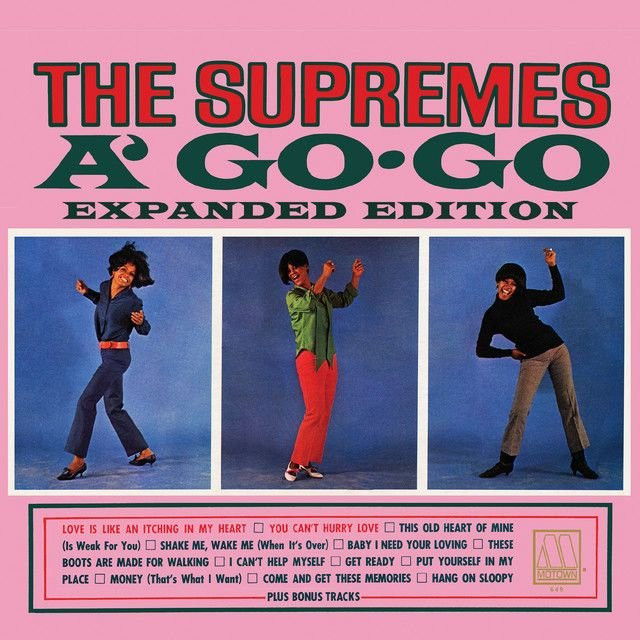
You Can't Hurry Love by The Supremes
Motown packed a life lesson into a two-and-a-half-minute hit. The Supremes’ classic turns a mother’s advice into a bright, dance-floor mantra. For readers asking about the meaning of You Can't Hurry Love The Supremes, this is a song about patience winning over panic, told with warmth, wit, and a driving beat.
"You Can't Hurry Love" - The Supremes
I need to find, find someone to call mine
But mama said you can't hurry love
Loading lyrics...
Unable to load lyrics
We're unable to display the lyrics at this time. Please try again later.
Patience, Set to a Backbeat
At its heart, the song teaches that real love takes time. The narrator aches for connection, but they’re guided by a parent’s reminder that rushing will only bring heartache. Each verse shows a tug-of-war between desire and restraint, while the chorus steadies the mood with the message: you can't hurry love
.
The hook lands because it’s practical, not dreamy. Love is framed as effort and reciprocity, a game of give and take
, not a fairy tale. That grounded view makes the hook feel like advice you can actually use.
Watch the official You Can't Hurry Love
music video
Who’s Speaking—and Why “Mama” Matters
The narrator speaks in the first person, addressing listeners like a friend working through a problem. They keep recalling what mama said
. That figure isn’t just a character; she’s the song’s conscience. Her voice gives the track a generational bridge: wisdom passed down, received in real time.
Interpretation: “Mama” also functions as memory itself. When the verses tilt toward loneliness, the chorus returns like a hand on the shoulder, pulling the narrator back from impulsive choices.
A Simple Story in Three Beats
- Longing: They confess the need for love and fear of being alone. The pressure is real.
- Counsel: They repeat the advice—
love don't come easy
—and try to absorb it. - Resilience: They adopt a practice of waiting—
I keep on waiting
—even when it hurts.
This timeline is small but relatable. The verses raise anxiety; the chorus answers with discipline. That call-and-response structure is baked into both the words and the arrangement.
The Chorus Is the Compass
You can't hurry love No, you just have to wait
The refrain isn’t scolding. It’s compassionate and rhythmic, something they can move to when doubts creep in. Interpretation: the groove turns advice into muscle memory, making patience feel active rather than passive.
Motown Mechanics: How the Groove Sells the Lesson
Holland–Dozier–Holland crafted a brisk, upbeat track that contrasts with the narrator’s struggle. The Funk Brothers’ rhythm section keeps the pocket tight: a melodic bassline snakes through the chords, tambourine and handclaps sparkle on top, and the drums push forward without rushing. That push-pull—urgent beat, patient message—captures the conflict of wanting love now but choosing to wait.
Diana Ross leads with conversational clarity, almost like a diary entry sung out loud. Mary Wilson and Florence Ballard answer in bright harmonies, mirroring the advice-and-reply shape of the story. The arrangement also nods to gospel: call-and-response phrases, uplifting modulations, and a hook that invites the crowd to sing along.
From Gospel Roots to Pop Charts
Factually, the song was written by Brian Holland, Lamont Dozier, and Edward Holland Jr., released in 1966, and it reached No. 1 on the Billboard Hot 100. Lamont Dozier later said the idea drew from a church line he heard growing up—“You can’t hurry God”—which inspired the patience theme and the maternal framing.
That lineage explains the song’s blend of secular romance and spiritual discipline. The message is moral but never preachy, thanks to Motown polish. Its staying power is clear from later revivals, including Phil Collins’s hit cover, which introduced the hook to a new generation and kept its dance-floor optimism intact.
Why the Message Still Works
The song recognizes a universal cycle: desire, doubt, guidance, and renewed commitment. It doesn’t deny loneliness; it gives a tool to live with it. When the narrator repeats you can't hurry love
, it becomes a habit as much as a thought.
Interpretation: The line about a game of give and take
also gestures beyond romance. It suits any long goal—career, recovery, healing—where progress comes from steady effort and mutual trust. That breadth is why the record feels as modern in a dating-app era as it did in 1966.
Takeaway for Listeners
They make a choice: hold out for mutual love, even when it stings. The music keeps that choice joyful, not grim. That’s the meaning of You Can't Hurry Love The Supremes: patience is a practice, and a groove can help you keep it.
Disclaimer: This interpretation blends documented context with critical analysis. Listeners may find equally valid meanings based on their own experiences.
Sources
- https://en.wikipedia.org/wiki/You_Can%27t_Hurry_Love
- https://www.billboard.com/artist/the-supremes/chart-history/hsi/
- https://www.songfacts.com/facts/the-supremes/you-cant-hurry-love
- https://www.motownmuseum.org/story/the-funk-brothers/
- https://www.allmusic.com/song/you-cant-hurry-love-mt0007071008
- https://en.wikipedia.org/wiki/You_Can%27t_Hurry_Love#Phil_Collins_version









