Why “I Can’t Get Next to You” Still Hits Hard
The meaning of I Can't Get Next To You The Temptations comes down to one sharp idea: a person can seem powerful, talented, and in control, yet still feel helpless in love. That contrast is the song’s engine. It turns bragging into heartbreak, and that twist is why the record still feels clever, funny, and a little sad at the same time.
"I Can't Get Next To You" - The Temptations
Can turn the gray sky blue
I can make it rain, whenever I want it to, oh I
Loading lyrics...
Unable to load lyrics
We're unable to display the lyrics at this time. Please try again later.
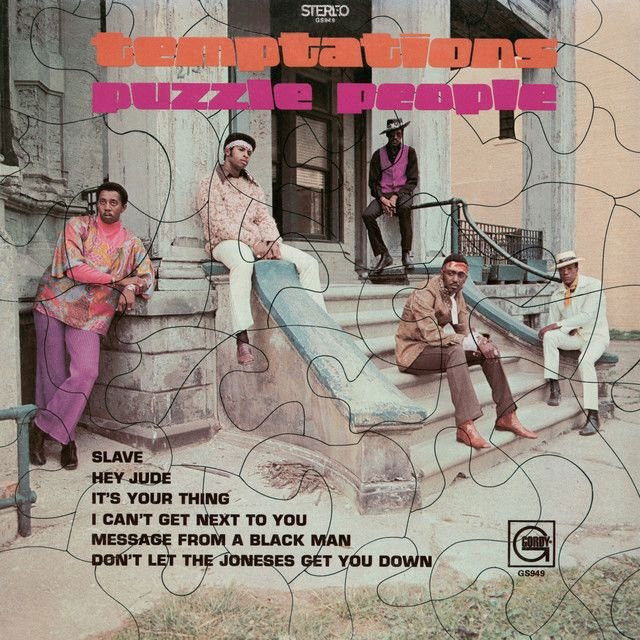
Released in 1969, the song was written by Norman Whitfield and Barrett Strong and produced by Whitfield for Motown’s Gordy label. It became a major hit, reaching No. 1 on both the Billboard Hot 100 and the R&B chart, and it appeared on Puzzle People. Those facts matter because the song arrived during the Temptations’ late-1960s shift into funk and psychedelic soul, a period documented by major reference sources including Billboard chart histories and song discographies.
A Love Song Built on a Joke
At first, the singer sounds almost godlike. They claim they can change nature, time, and even reality itself. The song piles up impossible boasts such as turn the gray sky blue
and make huge things happen by pure will.
But every wild claim leads to the same defeat: none of it helps them get close to the person they love. That is the joke, but it is also the pain. The singer can imagine limitless power, yet they still admit I can’t get next to you
.
Interpretation: the exaggeration is not meant to be taken literally. It shows how love can make even a confident person feel small. In other words, emotional distance matters more than status, money, or talent.

Watch the official I Can't Get Next To You
music video
How the Verses Build the Theme
Each verse follows the same pattern:
- They announce impossible powers.
- They sound proud and in control.
- The chorus knocks that confidence down.
That structure is important to the song’s meaning. The singer is not just saying they miss someone. They are saying that all their other strengths feel unimportant
without real connection.
One of the smartest lines in the lyric is the idea that they can buy anything, even what money usually cannot buy. That boast stretches the fantasy to its limit. Then the song undercuts it by showing that affection, intimacy, and mutual love still cannot be forced.
I can change anything from old to new
The things I want to do the most, I’m unable to do
That short passage is the emotional center of the song. After all the swagger, the singer finally admits failure in plain language. The person they want is the one thing beyond reach.
The Chorus Turns Power Into Need
The chorus is catchy because it is simple, but its meaning is deeper than it first seems. The phrase next to you
is not only physical. It suggests emotional closeness, acceptance, and romantic access.
That matters because the song is not just about desire. It is about frustration. The singer is blocked from the relationship they want, and the repeated hook makes that block feel obsessive.
Interpretation: the chorus can also be heard as a comment on masculine pride. The singer performs confidence in the verses, yet the refrain exposes vulnerability. That split between performance and feeling gives the song much of its tension.
Why the Sound Sells the Message
Part of the meaning of I Can't Get Next To You The Temptations comes from the arrangement, not just the words. The record was produced by Norman Whitfield, with instrumentation by the Funk Brothers, and it reflects the Temptations’ move away from smoother early Motown into a harder, more rhythmic sound.
The song opens with applause and a playful spoken interruption, creating a mini stage scene before the groove locks in. That opening tells listeners they are about to hear a performance with attitude. Then the band brings in a tight, punchy rhythm that feels both celebratory and urgent.
Just as important, the record uses multiple lead voices rather than one dominant singer. Dennis Edwards leads major sections, but Eddie Kendricks, Paul Williams, Melvin Franklin, and Otis Williams also step forward. That passing of the lead keeps the song lively and dramatic. It sounds like a group argument with desire itself.
The result is perfect for the lyric. The beat projects confidence, while the repeated hook reveals emotional collapse. The production lets both feelings exist at once.
Artist Context: A Turning Point for the Temptations
By 1969, the Temptations were no longer only making polished romantic soul. Under Whitfield, they were pushing into funk, social commentary, and psychedelic textures. Songs from this era often sounded bolder, stranger, and more theatrical than their earlier hits.
“I Can’t Get Next to You” fits that transition well. It keeps a love-song core, but it presents it with humor, vocal drama, and a tougher groove. According to widely cited chart records, it was one of their biggest singles and one of the defining hits of that period.
That popularity also helps explain its long life. Listeners can enjoy it as a dance record, a showcase for the group’s voices, or a smart lyric about romantic frustration. It works on all three levels.
A Few Strong Alternate Readings
There is a straightforward reading: they love someone who does not return the feeling.
There is also a slightly deeper one. Interpretation: the song may be mocking the illusion of total control. The singer talks like a superhero, but human connection refuses to obey power. Love becomes the force that humbles them.
Another reading is that the song stages public confidence against private pain. Outwardly, they brag. Inwardly, they are hurting, even mentioning tears I’m crying
. That mix makes the song feel emotionally real beneath the playful surface.
Why the Song Endures
What keeps this track alive is its balance. It is funny without being shallow, dramatic without being heavy, and romantic without sounding soft. The lyric says love can defeat ego. The music says keep dancing anyway.
For many listeners, that is the lasting meaning: all the power in the world means very little if they cannot reach the one person who gives life emotional meaning.
Disclaimer: This interpretation is based on the lyrics, recording context, and historical reception. As with most songs, listeners may hear different meanings in the same lines.








