Why ‘I Wish It Would Rain’ Hurts So Much
The heartbreak at the song’s center
The meaning of I Wish It Would Rain The Temptations starts with a simple but powerful idea: a man is so broken by a breakup that he wants bad weather to hide his pain. Instead of asking for sunshine or healing, they ask for rain because it gives them cover. That twist is what makes the song memorable.
"I Wish It Would Rain" - The Temptations
Sunshine, blue skies, please go away
A girl has found another and gone away
Loading lyrics...
Unable to load lyrics
We're unable to display the lyrics at this time. Please try again later.
On the surface, it is a classic soul ballad about lost love. A woman has left, and the singer feels his future leave with her. But the song goes deeper than ordinary sadness. It is about public shame, private grief, and the pressure to keep emotions hidden.
That is why the title line matters so much. Rain is not just weather here. It becomes a mask.

Watch the official I Wish It Would Rain
music video
A metaphor built on pride and pain
The key emotional conflict is not only heartbreak. It is heartbreak mixed with pride. The narrator badly wants to step outside, but they feel trapped by the idea that men should not cry in public. The song says this directly with the short phrase a man ain't supposed to cry
, then turns that belief into the song’s problem.
Instead of rejecting that rule, the narrator works around it. They hope for rain so their tears will blend in. That is the song’s most important image: nature doing the emotional labor that the singer cannot do openly.
rain drops will hide my tear dropsand no one will ever know
Those lines capture the whole song in miniature. They do not ask for the pain to end. They ask for a way to survive it without being seen.
How the verses build the story
The verses move in a clear emotional timeline:
- First, the singer says bright weather feels wrong after the breakup.
- Then, they explain why they cannot face the outside world.
- Finally, they imagine rain as a shield for their grief.
Early on, sunshine and blue skies are treated almost like enemies. That reversal matters. Good weather usually suggests hope, but here it only makes the loss feel harsher. The world looks cheerful while the singer feels empty.
Later, the song narrows into indoor isolation. The image of a tear-stained face
at the window shows someone cut off from life, watching rather than living. By the time the chorus returns, the wish for rain feels less poetic and more desperate.
What the chorus really means
The chorus works because it repeats one wish, but that wish keeps growing in meaning. At first, wanting rain sounds strange. The song even admits that. Then it explains why, and the logic becomes heartbreaking.
Interpretation: the chorus is really about permission. The singer is not only asking for rain. They are asking for a socially acceptable way to break down.
That is why the line crying eases the pain
is so important. The song does not treat tears as weakness. It treats crying as necessary. The tragedy is that the narrator still feels they must hide it.
David Ruffin’s voice sells the emotion
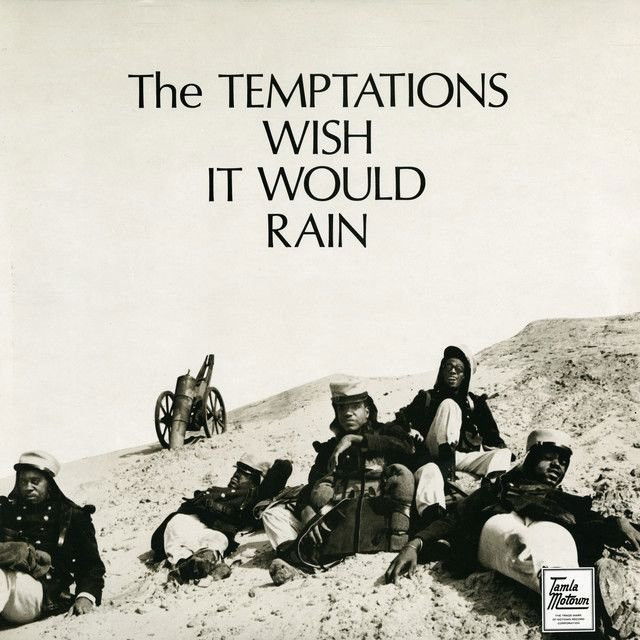
A big reason the song remains so affecting is David Ruffin’s lead vocal. As noted in song credits and histories, Ruffin handled the lead while the other Temptations supported him with tight background harmonies, and the track was produced by Norman Whitfield for Motown’s Gordy label. It was released in late 1967 and later appeared on the 1968 album The Temptations Wish It Would Rain.
Ruffin does not sing the lyric like a quiet diary entry. They perform it with force, grain, and near-theatrical ache. That matters because the lyric itself is built on restraint. The singer is trying not to be seen crying, yet Ruffin’s voice lets listeners hear the crying anyway.
The contrast makes the song stronger: the character wants concealment, but the performance reveals everything.
How the Motown production deepens the meaning
The production also helps explain the meaning of I Wish It Would Rain The Temptations. Backed by the Funk Brothers, the record combines steady rhythm, dramatic strings, and crisp percussion in a way that feels polished but still wounded. Contemporary reviews noticed that balance. Billboard called it an easy beat blues rocker
, while Cash Box praised its mix of hardness and gentleness.
That blend is important. The beat keeps moving, as if the world refuses to stop for heartbreak. The strings add emotional sweep, almost like gathering clouds. And the background vocals act like a chorus of inner thoughts, echoing and underlining the lead.
Interpretation: the arrangement sounds like someone trying to stay composed while falling apart inside.
The songwriter context adds extra sadness
The song was written by Rodger Penzabene, Barrett Strong, and Norman Whitfield. Reporting on the song’s history has long noted that Penzabene wrote from deep personal pain, and his death shortly after the single’s release has shaped how many listeners hear it.
That context should be handled carefully. The song does not need biography to work; its emotional idea is already clear. Still, knowing that background can make the lyric feel even heavier. What might otherwise sound like a clever metaphor can land more like a real cry from someone overwhelmed.
Even so, the best reading stays with the song itself. They present heartbreak not as a dramatic speech to an ex, but as a lonely argument with the weather.
Why the song still resonates
Part of the song’s staying power is its honesty about emotional performance. Many breakup songs are about blame, revenge, or getting someone back. This one is about embarrassment, exposure, and the need to grieve without an audience.
That makes it timeless. Even listeners far removed from 1960s Motown can understand the feeling of wanting to hide pain in plain sight. The image of rain as camouflage still lands because it turns a private feeling into something instantly visible.
In the end, the song is about more than missing a lover. It is about how people manage sorrow when pride gets in the way. Interpretation: they wish for rain because they cannot yet wish openly for comfort.
Disclaimer: This interpretation blends documented facts about the song with reasoned analysis of its lyrics, performance, and production. Meanings can vary from listener to listener.









