Why This Temptations Classic Still Charms
A flirtation built on wonder
The meaning of The Way You Do The Things You Do The Temptations starts with a simple idea: they are amazed by someone’s charm. The song is not about heartbreak, conflict, or mystery. It is about the thrill of meeting a person who seems so vivid that ordinary comparisons no longer feel ordinary.
"The Way You Do The Things You Do" - The Temptations
You know you could have been a candle
I'm holding you so tight
Loading lyrics...
Unable to load lyrics
We're unable to display the lyrics at this time. Please try again later.
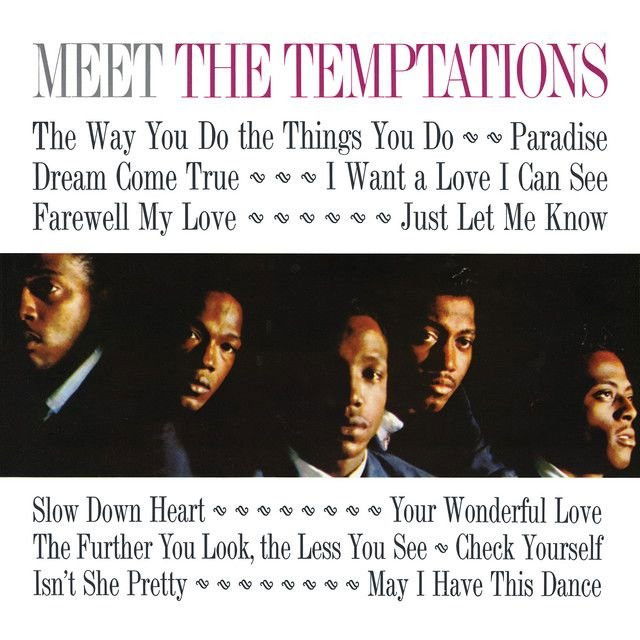
Released in 1964 on Motown’s Gordy label, the single became the Temptations’ first major pop hit, reaching No. 11 on the Billboard Hot 100 and No. 1 on the Cash Box R&B chart. It was written by Smokey Robinson and Bobby Rogers, produced by Robinson, and featured Eddie Kendricks on lead with backing from the other Temptations and instrumentation by the Funk Brothers. Those facts matter because the song’s meaning is tied to Motown craft: playful writing, tight rhythm, and a warm, smiling performance style.
Watch the official The Way You Do The Things You Do
music video
What the words are really doing
On the page, the lyric works like a chain of compliments. Instead of saying “they are beautiful” over and over, the singer turns admiration into clever images. A bright smile becomes could have been a candle
. Holding someone tightly becomes could have been a handle
. Sweet scent turns into perfume; charm becomes money, honey, and more.
These comparisons are deliberately goofy. That is part of the song’s appeal. The writing does not aim for poetic sorrow. It aims for delight. Every line says the same thing in a fresh way: this person has a quality so strong that they seem to belong in the world of symbols, not just in everyday life.
Interpretation: The humor matters. By using light, almost corny similes, the song shows that infatuation can make people sound a little silly. That silliness is not a flaw. It is evidence of sincerity.
The chorus turns compliments into devotion
The title line is the emotional center because it shifts the focus away from appearance alone. The singer is not only impressed by looks. They are moved by style, behavior, and presence: the way you do
things. That phrase suggests grace in motion.
In other words, the song says attraction is more than a face. The beloved person wins them over through the total effect of how they move through the world.
You make my life so rich
You know you could've been some money
And baby you're so sweet
You know you could have been some honey
This brief passage shows the larger idea clearly. The beloved person is not just attractive; they improve life itself. Their presence feels valuable, comforting, and energizing.
A love song without complications
Many love songs depend on drama. This one does not. There is no question about whether the feeling is mutual, and there is no fear of losing the person. Instead, the song lives in the first burst of admiration, when everything seems bright.
That is why lines like swept me off my feet
and stole my heart
land so well. They use familiar romantic language, but the record’s bounce keeps them from sounding heavy. The singer feels overcome, yet still playful.
Interpretation: That balance may explain why the song remains so likable. It captures infatuation without turning it into pain. It lets romance stay fun.
How the sound carries the meaning
Motown polish with a wink
The production helps sell every joke and compliment. Recorded at Hitsville U.S.A. Studio A, the track runs only about 2:42, so it wastes no motion. The rhythm section gives it a neat forward push, while the arrangement stays light on its feet. James Jamerson’s bass, Richard “Pistol” Allen’s drums, Earl Van Dyke’s piano, Eddie Willis’s guitar, and Henry Cosby’s saxophone all help create that polished Motown glide.
Eddie Kendricks’ lead vocal is especially important to the meaning. They do not sing like someone crushed by desire. They sing with lift, sweetness, and a teasing edge. That tone tells listeners how to hear the lyric: not as grand tragedy, but as joyful praise.
Why Eddie Kendricks matters here
Kendricks had a high, airy tenor that could make even exaggerated lines sound believable. If a rougher or heavier voice had sung these words, the comparisons might have felt forced. In Kendricks’ voice, they feel spontaneous. He sounds genuinely dazzled.
That is a big reason the song became a breakthrough. It introduced the Temptations to pop listeners while also showing a group identity built on elegance, blend, and charm.
Artist context deepens the song’s message
Smokey Robinson’s songwriting style often mixed direct feeling with memorable turns of phrase, and this song is an early masterclass in that approach. It also arrived before the Temptations’ later, more dramatic eras. So the record captures them in a bright, youthful phase.
Its long afterlife supports that reading. According to chart histories summarized in the song’s release record, versions by Rita Coolidge, Hall & Oates with David Ruffin and Eddie Kendricks, and UB40 all became hits in later decades. That staying power suggests the central feeling is universal: people love songs that celebrate being dazzled by another person.
So what is the song about?
At its core, the meaning of The Way You Do The Things You Do The Temptations is romantic admiration expressed through playful exaggeration. The singer sees someone who seems to transform everyday objects into compliments. Brightness, sweetness, style, and value all become ways of describing one magnetic person.
The deeper message is simple: attraction often begins not with analysis, but with amazement. They are not building a case. They are reacting to a feeling.
Final takeaway
This song lasts because it understands that love can begin in delight. Its clever images, buoyant groove, and smiling lead vocal turn a string of compliments into a portrait of joyful infatuation.
That reading is an interpretation based on the lyrics, performance, and historical context; like any song, it can mean something slightly different to each listener.








