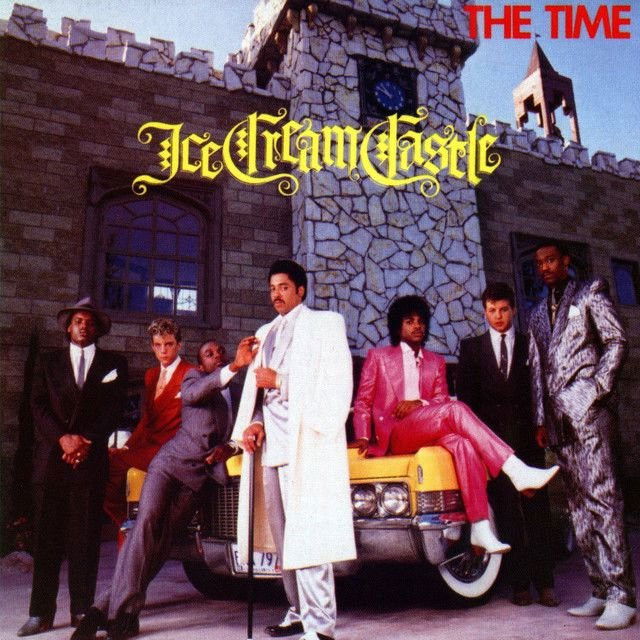
Jungle Love by The Time
Why This Flirty Hit Still Lands
The meaning of Jungle Love The Time starts with something simple: this is a swagger-heavy pickup song built on seduction, danger, and comic exaggeration. The speaker is not shy, romantic, or gentle. They come on fast, show off, and turn desire into a performance.
"Jungle Love" - The Time
I think I wanna know ya (know ya)
Said I, I'm a little dangerous
Loading lyrics...
Unable to load lyrics
We're unable to display the lyrics at this time. Please try again later.
That is why the song still works. It is not trying to be a tender love ballad. It is a bold, funny, slightly ridiculous piece of funk theater. The character at the center sounds confident, pushy, and wild, and the music turns that attitude into a party.
Factually, "Jungle Love" appeared on The Time's 1984 album Ice Cream Castle and was tied closely to the group's breakthrough moment around Purple Rain. It was written by Morris Day, Prince, and Jesse Johnson, and produced by Prince. It became one of The Time's biggest hits, reaching No. 20 on the Billboard Hot 100.
Watch the official Jungle Love
music video
The Core Meaning Beneath the Joke
At heart, the song is about lust dressed up as a stage act. The repeated hook jungle love
does not describe actual romance in any deep sense. It frames attraction as animal, reckless, and almost cartoonish.
The verses support that idea. The speaker watches someone, wants them immediately, and presents themself as exciting because they are a little dangerous. When they say I wanna know ya
, the line sounds less like emotional curiosity and more like a direct sexual advance.
Interpretation: the song is partly parody. The Time often played with image, vanity, and male ego, especially through Morris Day's frontman persona. So the song can be heard in two ways at once:
- as a real seduction anthem
- as a playful send-up of macho seduction
That double meaning is one reason it feels lively rather than flat.
The Narrator They Perform
Swagger First, Sincerity Last
The narrator is not written as a fully rounded person. They are a character built out of bravado. Early lines establish surveillance, pursuit, and danger. Later lines turn that into fantasy: cars, a private place, and control.
Some phrases are intentionally over the top. a little dangerous
and drive a little dangerous
tell listeners that risk itself is part of the sales pitch. This is not about trust. It is about thrill.
There is also a teasing, almost comic rhythm to the threats and boasts. The wild talk sounds meant to shock, but also to entertain. In that sense, the song is less a confession than a performance of seduction.
The Wild Imagery and What It Does
The song's animal imagery gives the flirtation its frame. The title turns desire into a jungle setting, where instinct matters more than manners. That helps explain the cage and bite images later in the song.
I wanna take you to my cage
lock you up
Those lines intensify the song's animal fantasy, but they are best read as exaggerated role-play, not literal intent. The speaker imagines romance as hunting, trapping, and appetite. That fits the song's comic-book style, where every feeling is pushed to the edge.
Interpretation: the cage image can also suggest how seduction works in the song overall. Desire is shown as possession. The speaker wants control, attention, and reaction. They are trying to dominate the scene as much as win the person over.
That is why the song feels both sexy and absurd. It knows that confidence can slide into caricature, and it uses that tension for fun.
How the Sound Sells the Meaning
The production is essential to the meaning of Jungle Love The Time. The record uses a sharp, synthetic funk style associated with the Minneapolis sound: drum machine snap, lean keyboards, clipped guitar, and a groove that feels both mechanical and alive.
Research on the song's recording credits notes that Morris Day handled lead vocals and Linn LM-1 programming, Jesse Johnson played guitar, and Prince played most of the other instruments. That matters because the track sounds like a machine built for attitude. Every part is tight, dry, and controlled, which makes the teasing vocal lines hit harder.
The famous chant behind the hook gives the song a tribal, crowd-hyping feel without making it musically dense. Animal noises, ad-libs, and spoken interruptions add to the sense that the whole record is half seduction, half skit.
Jesse Johnson's guitar also matters. It adds a scratchy edge that keeps the groove from becoming too polished. Meanwhile, Morris Day's delivery is cool, smug, and funny. They never sound desperate. They sound like they expect applause.
Purple Rain Context Changes the Reading
"Jungle Love" gained extra force because The Time performed it during the Purple Rain era, when the group's rivalry-and-style dynamic with Prince's world was part of the appeal. In that setting, the song was not just a single. It was a character statement.
The Time had always balanced funk skill with image-making, and this track may be their clearest example. It presents Morris Day as the flashy ladies' man, but with enough wink in the delivery that listeners can enjoy the joke.
That context helps explain the song's strong reception. It hit No. 6 on Billboard's Hot Black Singles chart and No. 9 on the Dance/Disco chart, showing that it worked both as a personality piece and as a club record.
So What Does the Chorus Really Mean?
The chorus reduces everything to appetite. Girl, I'd love to show ya
is intentionally vague, but the song around it makes the meaning clear. The promise is experience, excitement, and maybe trouble.
The key is that the chorus never becomes emotional. It stays physical and theatrical. That is why the title phrase works: it sounds primal, catchy, and a little silly all at once.
For many listeners, that is the real charm. The song celebrates desire without pretending it is profound.
Final Take on the Song's Message
The meaning of Jungle Love The Time is not hidden. It is about lust, swagger, and the performance of cool. Its lyrics exaggerate danger and dominance, while the production turns those ideas into sleek, funny, dance-floor funk.
Interpretation: the smartest way to hear it is as both seductive and self-aware. The song invites listeners to enjoy the fantasy, while also noticing how ridiculous the fantasy can be.
That balance is why "Jungle Love" still feels memorable. It is not just sexy. It is stylishly playful about what sex appeal sounds like.
Disclaimer: This article offers interpretation based on the song's lyrics, performance style, and historical context. Meaning can vary from listener to listener.







