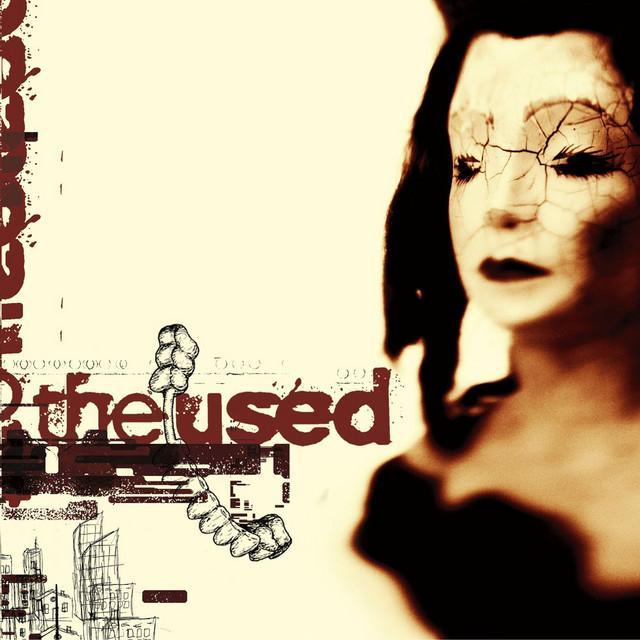
Buried Myself Alive by The Used
The meaning of Buried Myself Alive The Used comes down to emotional survival. At its core, the song captures the moment when someone stops begging for honesty, stops absorbing damage, and decides to shut down before they break completely.
"Buried Myself Alive" - The Used
You almost made me cry again this time
Another false alarm, red flashing lights
Loading lyrics...
Unable to load lyrics
We're unable to display the lyrics at this time. Please try again later.
Released as the second single from The Used, the band’s self-titled debut, on January 28, 2003, the track helped define the group’s early sound: emo emotion pushed through post-hardcore force (Wikipedia). It was written by Bert McCracken, Quinn Allman, Jeph Howard, and Branden Steineckert, and produced by John Feldmann (Wikipedia). Those facts matter because the song sounds exactly like a debut-era statement: messy, wounded, dramatic, and impossible to ignore.
The Real Heart of the Song
On the surface, the lyrics describe a relationship full of bad timing, emotional whiplash, and repeated hurt. The opening idea is simple: the other person knows how to say the most painful thing at the worst possible moment. When the narrator hears worst lines
, the effect is immediate. They feel dragged back into the same emotional crisis.
But the song is not only about heartbreak. It is also about a change in posture. Early on, the narrator sounds reactive and crushed. Soon after, they draw a line. When they insist they are not going to watch myself die
, they are rejecting passivity. That line turns the song from suffering into resistance.
Interpretation: The key idea is not literal death. It is emotional collapse. They are saying they refuse to keep standing there while a damaging relationship drains them.
Watch the official Buried Myself Alive
music video
Why “Buried” Is the Perfect Image
The title image is one of the strongest in The Used’s catalog. To say they Buried myself alive
suggests a person who shuts down from the inside to survive the outside. It is harsh, dramatic, and a little self-accusing.
That matters because the song does not make the narrator look purely innocent. They admit they helped keep the cycle going. They say they made it a game, which implies participation in something destructive even while knowing better. In other words, they are not only blaming someone else. They are also naming their own role in staying stuck.
This makes the song more honest. It is about pain, but also about self-awareness. They know they let themselves cry, let themselves get pulled back in, and finally chose numbness as a defense.
A Chorus About Cutting the Cord
The chorus gives the song its main emotional thesis. The narrator wants to shut you out
and let the other person go for a long time. That is not a calm goodbye. It is a survival move.
The repeated stomach-turning image about being sick all day pushes the song beyond ordinary sadness. Breakups in this world are physical. Anxiety sits in the body. Shame does too. The Used often wrote emotions in a way that felt bodily and immediate, and this song is a strong example.
And if you want me back
you’re gonna have to ask
Those lines are short, but they matter because they reverse the power dynamic. The narrator is no longer waiting around to be chosen. They are demanding accountability and basic respect.
How the Story Moves from Hurt to Control
The song follows a clear emotional timeline:
- The other person triggers another crisis.
- The narrator realizes the pattern is old and exhausting.
- They decide to disconnect emotionally.
- They begin to reclaim power, even if that new power sounds angry.
That last stage is important. Near the end, the imagery becomes aggressive. The line about having a foot on someone’s neck is not gentle or healthy language. It shows how hurt can flip into domination fantasies. Rather than sounding fully healed, the narrator sounds like someone in the first rush of escape, where relief and revenge can blur together.
Interpretation: The song is not celebrating cruelty so much as dramatizing an emotional rebound. After feeling powerless, they want control back by any means.
How the Sound Carries the Meaning
The production helps explain why the song hit so hard in 2003. Feldmann gives the band a tight but volatile mix: loud guitars, sudden dynamic shifts, and drums that push the song forward without making it polished to death. The track runs about four minutes and lives on tension between melody and breakdown (Wikipedia).
McCracken’s vocal performance is central to the meaning. He does not sing these lines like cool observations. He spits, strains, and cracks through them. That gives the song an unstable edge, as if every sentence could become a scream. The result fits the lyric content: a mind swinging between pleading, disgust, and defiance.
The music video doubled down on the song’s trapped feeling. Directed by Arni and Kinski, it puts each band member in enclosed, inescapable spaces, including McCracken in a coffin (Wikipedia). That imagery supports the song’s emotional idea of suffocation and self-burial.
Why the Song Still Connects
Part of the lasting appeal is how clearly it captures a common emotional stage: the point where pain turns into distance. Many breakup songs focus on longing. This one focuses on the moment after longing stops being worth it.
It also helped establish The Used as more than a loud band with catchy hooks. The single reached No. 13 on Billboard’s Alternative Airplay chart (Wikipedia), and its mix of confession and aggression became a template for a lot of 2000s emo and post-hardcore.
For listeners, the song can mean different things. Some hear a breakup. Others hear emotional abuse, addiction-adjacent chaos, or the aftermath of manipulation. Those readings all make sense because the lyrics stay just open enough to invite personal connection.
Final Take on Its Message
The meaning of Buried Myself Alive The Used is about self-protection at a breaking point. It portrays someone who has been hurt so often that emotional shutdown starts to feel like the only way out.
That does not make the song calm, wise, or fully resolved. Its power lies in how messy the escape feels. They are wounded, furious, and trying to reclaim themselves in real time.
Disclaimer: This interpretation is based on the lyrics, recording context, and public release information. Like most songs, it can support more than one reasonable reading.









