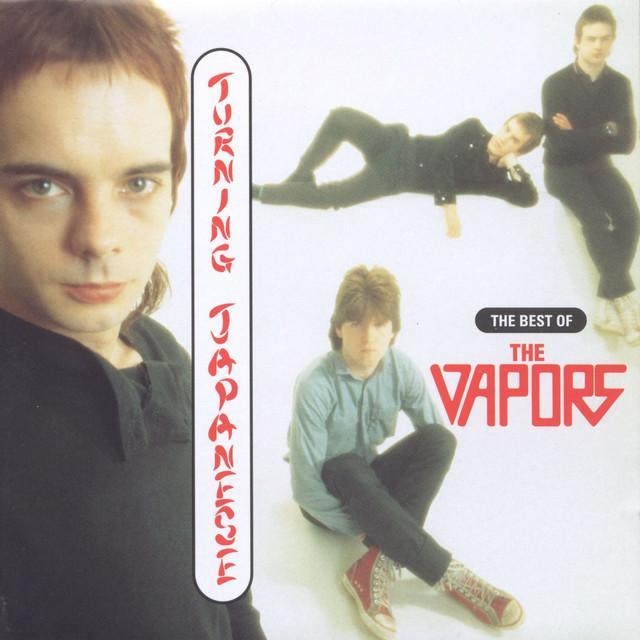
What 'Turning Japanese' Is Really About
The meaning of Turning Japanese The Vapors has been debated for decades, mostly because its chorus is so odd, catchy, and easy to take out of context. But the song becomes clearer when they look at the verses instead of the title alone.
"Turning Japanese" - The Vapors
Of me and you
You wrote "I love you"
Loading lyrics...
Unable to load lyrics
We're unable to display the lyrics at this time. Please try again later.
At its core, this is a song about romantic obsession. The narrator is alone, fixated on a lost relationship, and stuck in a loop of desire, memory, and frustration. Rather than telling a full story with plot twists, the song shows a mind that cannot stop circling the same feelings.
The Real Drama Happens Before the Chorus
The verses set up a small but intense scene. The narrator has a photograph and keeps studying it, almost as if the picture has replaced the real person. Short details like your picture
and I love you
make the memory feel intimate and painfully ordinary.
That is important because the song is not about a dramatic breakup speech. It is about what happens afterward, when someone is left alone with objects, routines, and thoughts. The line about staring because there is "nothing else to do" turns longing into boredom, and boredom into obsession.

Watch the official Turning Japanese
music video
A Portrait of Obsession, Not Romance
As the song goes on, the fixation becomes more extreme. The narrator wants more and more images, almost enough to wallpaper their space. The phrase all 'round my cell
suggests emotional imprisonment, even if the "cell" may not be literal.
Interpretation: That image makes the room feel like both a bedroom and a mental prison. They are trapped inside their own desire. The request to have a doctor take a picture "from inside" pushes that idea further. It sounds absurd, but that is the point: obsession has become invasive, irrational, and total.
What the Chorus Likely Means
The famous refrain I'm turning Japanese
is the song's most controversial part. Factually, songwriter David Fenton has said the song was about angst and obsession rather than a literal statement about nationality or culture. That explanation has been widely repeated in coverage of the song and its legacy.
Interpretation: In the song itself, the chorus works like a shorthand for feeling transformed by stress. The narrator no longer recognizes their own emotional state. They are turning into someone strange, tense, and consumed.
Because the title is so striking, many listeners focus on it first. But the verses suggest the chorus is less a social observation than a private breakdown. It is the language of someone whose mind is spinning.
The Darkest Verse Changes Everything
Late in the song, the mood gets even bleaker. The narrator lists what is missing from life: No sex, no drugs
, no pleasure, no connection, no escape. That catalog matters because it strips away any playful reading.
This is not a flirtatious pop song. It is about deprivation. When the narrator says everyone around me
feels like a stranger, the loneliness widens beyond one lost romance. Now the whole world seems alien and hostile.
No fun, no sin
no you, no wonder it's dark
That short passage captures the emotional center of the song. The darkness is not just sadness over one person. It is the collapse of pleasure, familiarity, and self-control.
Why the Music Feels So Nervous
Part of what makes the song last is the contrast between sound and subject. Musically, it has the sharp edges of late-1970s and early-1980s new wave: brisk tempo, tight rhythm, clipped guitar, and a springy, almost jittery pulse. The arrangement feels compact, but it never feels calm.
That matters for the meaning of Turning Japanese The Vapors because the production mirrors mental agitation. The hook is catchy, yet the performance has a wound-up quality, as if the band is pushing nervous energy into every beat. The song does not drift like a ballad of heartbreak. It twitches.
Artist Context Helps Explain the Song
The Vapors were part of the British new wave movement, and "Turning Japanese" became their breakthrough hit. That scene often mixed pop immediacy with anxious, off-center emotion. In that context, the song makes sense as a compact character sketch of youthful frustration rather than a straightforward love song.
David Fenton's writing leans on repetition for effect. Repeating the title line over and over does not explain the feeling logically. Instead, it recreates compulsion. The listener hears the same thought return again and again, just as obsessive thinking does.
Two Useful Ways to Read It
There are two strong readings that can exist side by side:
- Literal emotional reading: The narrator is wrecked by separation and acting irrationally.
- Psychological reading: The song dramatizes how obsession distorts identity until a person feels unlike themselves.
Both fit the verses. Neither requires taking the chorus literally.
Final Take
The best way to hear this song is as a portrait of lonely fixation. Its photo imagery, repetitive hook, and anxious sound all point to a mind stuck in grief and desire.
That is why the song still stands out. It sounds bright enough for pop radio, but underneath, it is about isolation, compulsion, and the weird ways heartbreak can change how someone sees themselves.
Disclaimer: This article offers an interpretation based on the lyrics, widely reported songwriter comments, and the song's musical context. Meaning can remain open to listeners.







