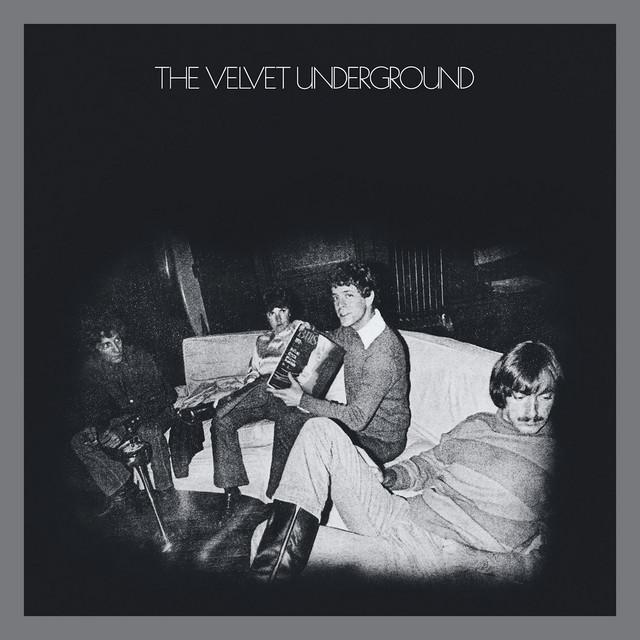
Candy Says by The Velvet Underground
A Quiet Song With a Huge Emotional Weight
The meaning of Candy Says The Velvet Underground starts with a voice that sounds soft, but the feelings inside it are severe. Opening the band’s third album, released in 1969, the song was written by Lou Reed and inspired by Candy Darling, the Warhol star and transgender icon associated with the New York scene around the band. It is often described as one of Reed’s clearest character songs, yet it also reaches beyond one person’s story.
"Candy Says" - The Velvet Underground
I've come to hate my body
And all that it requires in this world
Loading lyrics...
Unable to load lyrics
We're unable to display the lyrics at this time. Please try again later.
Factually, the song appears on The Velvet Underground, the group’s third album, and Reed chose Doug Yule to sing lead because he thought Yule’s voice better suited the material. Research and later biographies also note Reed’s own view that the song was not only about Candy Darling, but about a broader feeling of looking at oneself and feeling estranged from what one sees.

Watch the official Candy Says
music video
What the Lyrics Are Really Saying
At its core, the song is about self-division. The speaker feels trapped in a body and a social role that do not feel fully livable. Early lines make that plain through the painful phrase hate my body
, which is not just about appearance. It points to a deeper conflict between inner identity and outer life.
The next idea is isolation. When the singer wants to know what others discuss so discretely
, the song hints at gossip, judgment, and the shame of being watched without being truly understood. The character is not only suffering alone; they are also aware of the social pressure around them.
Interpretation: This is why the song still resonates. It speaks to transgender experience, but it also captures a more general human wish to escape self-consciousness. Reed himself framed it that way in later comments, saying the mirror can become a site of disappointment for almost anyone.
The Bluebirds and the Dream of Escape
The song’s most striking image is its quiet fantasy of distance. When the speaker says they will watch blue birds fly
, the image feels gentle, almost pastoral. But the emotion behind it is not simple peace. The birds are free, moving onward, while the speaker stays still.
That contrast matters. The line Maybe when I’m older
turns the image into a postponed hope. The singer imagines that time might bring clarity, acceptance, or release, but nothing is guaranteed.
The most revealing thought comes in the question about what might be seen walk away from me
. Paraphrased, the speaker wonders what life would look like if they could step outside their own pain and identity conflict. That is not a literal travel image. It is an emotional wish for separation from the self.
Why the Song Sounds So Fragile
A big part of the meaning of Candy Says The Velvet Underground comes from the arrangement. Unlike the band’s noisier or harsher material, this track is delicate and slow. Critics have often heard doo-wop traces in the backing vocals, especially in the repeated “do-do-wah” pattern, and that softness matters.
The music does not dramatize the pain with big crescendos. Instead, it barely raises its voice. That restraint makes the song feel tired, intimate, and painfully human. Doug Yule’s lead vocal is central here. His delivery avoids theatricality, which helps the character feel less like a symbol and more like a person speaking quietly from a private room.
Interpretation: The production suggests that identity pain is not always loud. Sometimes it appears as exhaustion, hesitation, and the inability to feel at home anywhere.
Artist Context Changes the Reading
Knowing the song’s background helps. Candy Darling was a major figure in Andy Warhol’s orbit, and Reed wrote the song with her in mind. That makes it one of the important early rock songs linked to a transgender subject, even if its language is indirect by today’s standards.
At the same time, the song avoids turning Candy into spectacle. It does not sensationalize her. Instead, it focuses on inner feeling: bodily discomfort, social unease, and the mental burden of constant revision. That gives the song dignity.
Its history after 1969 also deepens its meaning. Reed returned to it in later years, including performances with Anohni, an artist whose work has also explored gender, vulnerability, and transformation. That later connection has helped many listeners hear the song not as a period piece, but as a living text with continuing emotional relevance.
A Universal Song Rooted in a Specific Life
One reason the song lasts is that it balances the personal and the universal. It is rooted in Candy Darling’s world, but it also speaks to anyone who has felt detached from their body, uncertain of their future, or worn down by other people’s judgments.
That is why the lyric about quiet places
is so strong. Silence does not bring comfort here. It brings too much thinking. The song understands that loneliness can sharpen identity pain instead of easing it.
In the end, “Candy Says” is less about confession than recognition. It recognizes the gap between self and self-image, and between private truth and public life. The tenderness of the performance keeps that recognition from becoming hopeless.
Final Take on Its Meaning
The best way to understand the meaning of Candy Says The Velvet Underground is to hear it as both a character portrait and a universal meditation on alienation. Factually, it was inspired by Candy Darling and shaped by Reed’s interest in writing from a female perspective. Interpretation: emotionally, it becomes a song about wanting to live as oneself without the burden of shame.
That mix of specificity and openness is why the song still feels modern. It whispers, but it stays with the listener for a long time.
Disclaimer: Song meaning is always part fact, part interpretation. This reading separates documented context from critical inference, and other listeners may hear different shades in the song.








