Why 'I'm Set Free' Feels Wise and Uncertain
The meaning of I'm Set Free The Velvet Underground comes down to a strange kind of freedom. This is not a clean break from the past or a simple arrival at truth. Instead, the song suggests that people escape one belief, one fantasy, or one emotional prison only to step into another story that helps them live.
"I'm Set Free" - The Velvet Underground
To the memories of yesterday's clouds
I've been set free and I've been bound
Loading lyrics...
Unable to load lyrics
We're unable to display the lyrics at this time. Please try again later.
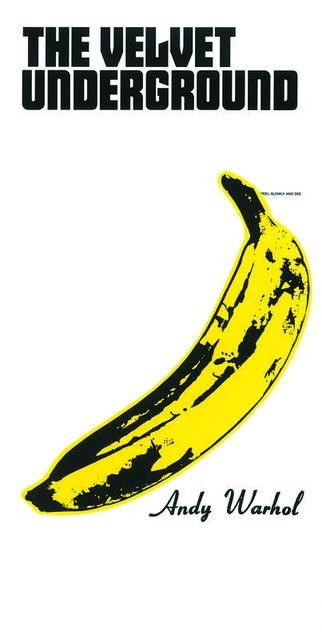
Written by Lou Reed and released by The Velvet Underground on The Velvet Underground in 1969, the track stands out for its calm glow and open-hearted tone. That basic album history is widely documented in standard band references and discographies, and the song’s long afterlife is clear from notable later covers by artists including Brian Eno, Thom Yorke with Beck, and Yo La Tengo, as reported by Pitchfork.
A Freedom Song With a Catch
On first listen, the chorus sounds uplifting. The repeated phrase I'm set free
feels like release, relief, and rebirth. But Reed complicates that feeling almost immediately by adding to find a new illusion
.
That turn changes everything. The narrator is not saying they escaped illusion forever. They seem to admit that human beings may always need some kind of guiding story, even if it is incomplete. That makes the song both hopeful and skeptical at the same time.
Interpretation: The song may be about emotional recovery after confusion or pain. But it may also be about the limits of human certainty. In that reading, freedom means choosing a better dream, not reaching perfect truth.
Watch the official I'm Set Free
music video
How the Verses Move From Memory to Vision
The opening lines connect freedom with being trapped by memory. Reed pairs release with being tied to the past, using imagery like memories of yesterday's clouds
. That phrase feels soft and vague, as if the past is already dissolving even while it still holds power.
In the next verse, the speaker says they have been blinded but can now see. Then comes one of the song’s oddest images: the prince of stories
. Reed never explains who that figure is. That is part of the song’s pull.
Interpretation: That figure may represent a person, a muse, or even the power of myth itself. Since the song keeps returning to illusion and storytelling, it makes sense to hear this as a sign that people understand life through narrative, not just facts.
The Most Surreal Image in the Song
The final verse becomes more dreamlike. The speaker says they found something shocking and strange:
I saw my head laughing
rolling on the ground
This is the song’s wildest image, but it fits the theme. The self has split open. Identity is no longer stable or serious. Instead of panic, the image carries a weird acceptance, even humor.
Interpretation: This could suggest ego death, emotional collapse, or a breakthrough moment where the narrator sees themselves from the outside. Reed often wrote in ways that let a line feel psychological and absurd at once.
Why the Chorus Hits So Hard
The chorus is simple, but that simplicity is the point. Each return to I'm set free
sounds like a mantra. It steadies the song while the verses drift through memory, blindness, stories, and surreal self-images.
What gives the hook its power is the tension inside it. The narrator sounds sincere, but not naive. They are free, yet they know freedom does not remove doubt. It only gives them room to keep searching.
That is a big reason the song continues to resonate. In a brief quote to Pitchfork, Brian Eno said the lyric about a new illusion stayed with him because it suggests people move from one “workable solution” to another, not from illusion to absolute truth. That is not a factual explanation of Reed’s intent, but it is a smart reading of the song’s philosophy.
How the Sound Carries the Message
Part of the meaning of I'm Set Free The Velvet Underground comes from the sound. This is one of the gentlest tracks in the band’s catalog. The tempo is relaxed, the guitars shimmer rather than scrape, and the performance feels weightless.
That matters because the music does not fight the lyrics. It lifts them. The arrangement creates a feeling of grace, while the words quietly question what freedom really means. The result is moving because the band makes uncertainty sound peaceful.
Compared with the harsher experimental edge often associated with The Velvet Underground, this track feels almost devotional. Reed’s vocal is plain and unforced, which keeps the song intimate. They do not oversell the revelation. They let it arrive softly.
Artist Context Makes the Song Richer
By 1969, The Velvet Underground had moved away from some of the noise and provocation of their earliest work into a warmer, more reflective style. That shift makes songs like this especially striking. Reed was still interested in inner conflict, but here he expressed it with clarity and tenderness.
That balance helps explain the song’s influence. Eno’s comments about hearing the band during a personal crisis are useful context because they show how this music could feel like a new artistic path, not just a new sound. His response also underlines how Reed’s writing can be plainspoken and philosophical at once.
The Best Way to Read the Ending
In the end, the song does not solve its own riddle. It offers release, then questions what release means. It welcomes a new beginning, then warns that every beginning may contain another illusion.
That is why the song feels comforting instead of cynical. It accepts that people live through changing stories, changing selves, and partial truths. The freedom is real, even if it is incomplete.
Disclaimer: This interpretation is based on the lyrics, musical context, and documented reception. As with many Lou Reed songs, listeners may hear other meanings in its imagery and tone.







