Why “Get Free” by The Vines Still Hits
The meaning of Get Free The Vines starts with a simple urge: they want out. Not just out of a bad romance, but out of pressure, boredom, and any place that feels too small. In just over two minutes, The Vines turn that urge into a blast of garage rock that sounds reckless, hurt, and thrilled all at once.
"Get Free" - The Vines
I'm gonna get free
I'm gonna get free
Loading lyrics...
Unable to load lyrics
We're unable to display the lyrics at this time. Please try again later.
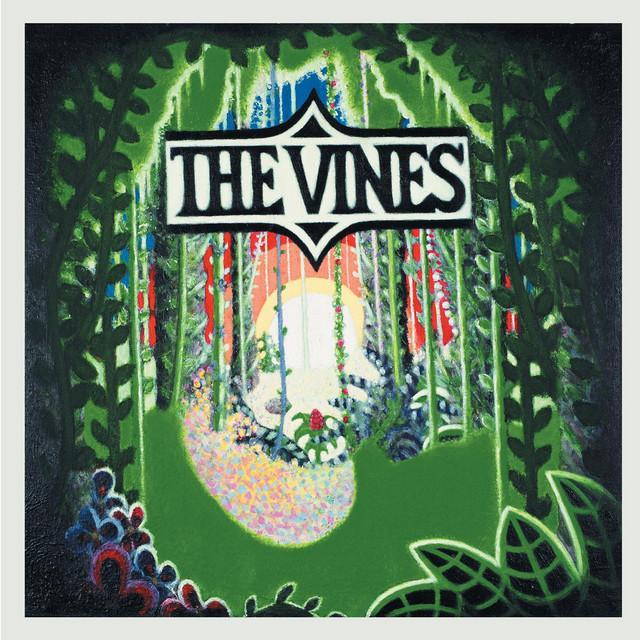
Released in 2002 as a single from Highly Evolved, “Get Free” helped introduce the Australian band to a wider audience during the garage rock revival. Factually, it was written by Craig Nicholls and produced by Rob Schnapf. But its staying power comes from how clearly it captures a messy emotional state: wanting freedom even when they do not fully know what freedom will cost.
The Core Idea Behind the Noise
At its center, the song is about breaking loose. The repeated line I'm gonna get free
is not subtle, but that is exactly why it works. They are not making a careful argument. They are trying to push themselves into motion.
Craig Nicholls gave a useful clue about the song’s intent. According to Songfacts, he said “Get Free” is about doing what they want, mixing strength with pain, fear with excitement. That comment matters because it frames the song as bigger than one story. Freedom here is emotional, personal, and creative at the same time.
Interpretation: the song sounds like a person talking themselves into escape. They may be leaving a relationship, a city, or a version of themselves that feels trapped.

Watch the official Get Free
music video
Heartbreak, Then Defiance
One reason the track feels so tense is that it ties freedom to rejection. When the singer says She never loved me
, the song suddenly stops sounding like a victory lap. It becomes clear that some of this drive to escape comes from pain.
That line also leads to the bleak question Why should anyone?
In plain terms, they move from one person’s rejection to a wider fear that nobody will care. This is where the song gets more vulnerable than its loud guitars first suggest.
A Short Spiral in Four Lines
The emotional swing is clearest in the chorus section:
I'm gonna get free
Ride into the sun
She never loved me
Why should anyone?
Paraphrased, the song jumps from a dream of open space to a stab of self-doubt. That jump is the point. Freedom is not presented as calm or wise. It feels desperate.
A Voice Pulled in Two Directions
The strange middle commands make the song feel more unstable. The repeated Come here
sounds inviting at first, but the words that follow are controlling, random, and slightly absurd. Taking a photo, driving someone around, and telling them to Move outta California
creates a push-pull pattern.
On one hand, they want closeness. On the other, they want distance and control. That contradiction fits the larger theme. A person who feels trapped may lash out, give orders, or keep changing direction because they do not really know what they need.
Interpretation: those commands may show social frustration as much as romantic frustration. The singer reaches for connection, then turns that reach into domination or escape.
How the Music Sells the Meaning
“Get Free” is only about two minutes long, and that brevity matters. There is no time for reflection. The song hits with a jagged opening riff, pounding drums, and a vocal that sounds half-yelled, half-bursting apart. The arrangement keeps everything urgent.
That sonic design supports the song’s meaning. The guitars do not glide; they shove forward. The drums feel like impact more than groove. Nicholls’ vocal delivery sounds like someone trying to outrun their own thoughts.
Wikipedia notes that the structure is less standard than a simple verse-chorus loop, which helps explain why the song feels unpredictable. It behaves like a rush of impulses instead of a neatly ordered statement. That chaos is not a flaw. It mirrors the emotional state inside the lyrics.
The Early-2000s Context Matters
Part of the meaning of Get Free The Vines also comes from when it arrived. In 2002, guitar rock was being recharged by bands like The Strokes and The White Stripes. The Vines entered that moment with a rougher, more volatile energy.
“Get Free” became one of their signature songs and a key single from Highly Evolved. It also performed well enough to mark them as major new arrivals, reaching No. 24 in the UK and No. 7 on US Alternative Airplay, according to the research above. That reception helped shape how listeners heard it: not as polished rebellion, but as a live wire.
The Roman Coppola video deepened that feeling. With the band playing as a storm builds and lightning strikes around them, the visual turns the song’s emotional chaos into an image. Freedom here is powerful, but it is also dangerous.
Two Strong Readings of the Song
There are at least two believable ways to hear “Get Free.”
Reading One: A breakup escape song
This is the most direct interpretation. They feel unloved, humiliated, and ready to run. The dream of freedom becomes a response to emotional injury.
Reading Two: A creative manifesto
Nicholls’ own comments support this reading. If “getting free” meant music for him, then the song can also be heard as an artist refusing limits. The wild sound becomes part of the message: they are not just singing about release, they are performing it.
Both readings fit because the song never locks itself into one neat plot. Its power comes from compression. It captures several forms of escape at once.
Why the Song Still Connects
“Get Free” endures because it understands that freedom is rarely tidy. People often want release when they are hurt, confused, or angry. This song does not clean up those feelings. It lets them collide.
That is why the track still feels alive. It is catchy, but not safe. It is simple, but not shallow. They can hear a breakup anthem, a panic attack with guitars, or a mission statement for living without permission.
In the end, “Get Free” is about the moment before change fully makes sense. They just know they cannot stay where they are.
Disclaimer: This article offers informed interpretation based on the song’s lyrics, sound, and available artist comments. Meanings can vary from listener to listener.








