Why "Get Up, Stand Up" Still Hits So Hard
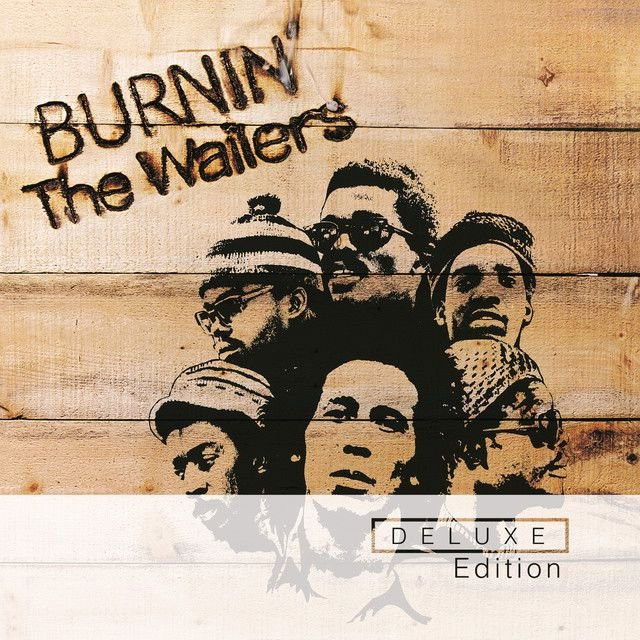
The meaning of Get Up, Stand Up The Wailers starts with a simple idea: rights mean little if people are taught to wait quietly. Bob Marley and Peter Tosh wrote the song as a call to action, not just a catchy slogan. First released on Burnin' in 1973, it became one of The Wailers' defining statements and later entered the Grammy Hall of Fame.
"Get Up, Stand Up" - The Wailers
Get up, stand up, stand up for your rights
Get up, stand up, stand up for your rights
Loading lyrics...
Unable to load lyrics
We're unable to display the lyrics at this time. Please try again later.
More than fifty years later, it still sounds urgent because it links politics, faith, and everyday survival. They are not singing about abstract freedom. They are singing about people who are told to endure pain now and hope for justice later.
A Protest Song With a Clear Target
At its core, the song tells listeners to stop surrendering their power. The repeated hook, stand up for your rights
, is not vague inspiration. It is a demand for action in the present.
The verses sharpen that message by criticizing leaders who use religion to calm the oppressed instead of helping them. When the song pushes back against the Preacher man
, it is challenging spiritual authority that talks about heaven while people suffer on earth. In plain terms, the message is: do not let anyone sell comfort while avoiding justice.
Interpretation: This is why the song feels bigger than one issue. It can apply to colonial power, class inequality, racial oppression, and any system that tells people to be patient while others stay in control.
Watch the official Get Up, Stand Up
music video
Where Marley and Tosh Were Coming From
Factually, Marley and Tosh wrote the song together, and it appeared on Burnin' by The Wailers in 1973. It was recorded at Harry J. Studios in Kingston and produced by Chris Blackwell with The Wailers. Accounts widely repeated in song histories say Marley was moved by the poverty he saw while touring Haiti, which helped shape the song's direct social anger.
That context matters. The lyrics are not just rebellious for effect. They reflect a worldview shaped by Rastafarian belief, anti-colonial politics, and close observation of hardship.
A frequently cited Marley quote from Bob Marley: In His Own Words sums up the frustration behind the song: he asked, in effect, how long he had to keep singing protest songs before people truly acted. That makes the chorus sound less like a slogan and more like a challenge.
The Verses Reject Passive Faith
The first two verses argue that people should not wait for rescue from the sky. The song says life has value now, and because of that, people should seek justice on earth
. That line is central to the meaning of Get Up, Stand Up The Wailers because it moves the song from theology to lived reality.
Rather than promising reward after death, the lyric insists that dignity must be defended in the present. Even the famous command don't give up the fight
works this way. It is about persistence, but it is also about refusing distraction.
Get up, stand up
stand up for your rights
don't give up the fight
This short refrain explains why the song traveled so far beyond reggae audiences. Its wording is plain, repeatable, and collective. Anyone can sing it, and almost any movement can use it.
The Toughest Lines in the Song
The third verse is the most controversial because it attacks what the singers call ism-skism game
. In context, that phrase points to divisive doctrines, empty labels, and systems that keep people arguing instead of living truthfully.
The verse also comes from a specifically Rastafarian angle, especially in its statement about God being present in living humanity. Factually, that reflects beliefs associated with Rastafari and helps explain why some listeners hear the song as anti-church. But a narrower reading may miss the point.
Interpretation: The song is not simply mocking belief. It is attacking belief that excuses injustice. Its real enemy is passivity dressed up as holiness.
Why the Music Makes the Message Stronger
The production matters almost as much as the words. The track uses a tight reggae groove, clipped guitar, firm bass movement, and a chant-like vocal pattern. That structure gives the song momentum without rushing it.
Instead of sounding frantic, it sounds organized. That is a big reason the message lands. The band makes resistance feel steady, communal, and disciplined.
The repeated chorus also works like a protest chant. Each return strips away complexity and leaves listeners with one instruction. Live, that made the song especially powerful, and it often served as a concert closer. It was even the last song Marley performed on stage in 1980, which gives it added symbolic weight.
Why It Endures as an Anthem
The song has lasted because it speaks to both personal and political struggle. A listener can hear it as advice for daily life, but also as a wider call for civil and human rights. That flexibility helped it become an anthem far beyond Jamaica.
Its legacy supports that reading. It was inducted into the Grammy Hall of Fame in 1999, and major publications have ranked it among Marley's greatest songs. Those honors reflect more than popularity. They recognize how clearly the song turns reggae into public argument.
The Lasting Meaning
In the end, the meaning of Get Up, Stand Up The Wailers is about refusing passivity. They argue that freedom, dignity, and justice are not gifts handed down by institutions, preachers, or distant promises. People must claim them, defend them, and keep fighting for them together.
That is the song's enduring power: it turns hope into action.
Disclaimer: This interpretation combines documented context with critical reading of the lyrics, so some meanings remain open to listener perspective.









