Why 'I Know What Boys Like' Still Bites
For anyone searching for the meaning of I Know What Boys Like The Waitresses, the key idea is simple: this is not a sweet love song. It is a sly, cool, and often funny performance about attraction as a power game.
"I Know What Boys Like" - The Waitresses
I know what guys want
I know what boys like
Loading lyrics...
Unable to load lyrics
We're unable to display the lyrics at this time. Please try again later.
Written by Chris Butler and made memorable by Patty Donahue’s detached delivery, the song turns flirting into a kind of social chess match. Instead of begging for attention, the narrator studies it, controls it, and laughs at it.
A Hook Built on Confidence and Control
The famous chorus sounds blunt on purpose. When the singer repeats I know what boys like
, they are not describing romance as mystery. They are describing it as something learned, almost like a skill.
That matters because the song does not present male desire as flattering. It presents it as predictable. The line I know what guys want
makes the narrator sound less impressed than aware. In that sense, the hook is part boast and part warning.
Interpretation: many listeners hear this as a reversal of the usual pop setup. Instead of men reading women, a woman reads men first.

Watch the official I Know What Boys Like
music video
The Narrator Is Playing a Character
One reason the song still stands out is Patty Donahue’s vocal style. She does not belt the lyric like a romantic lead. She speaks, shrugs, and tosses off lines in a way that feels cool and slightly amused.
Chris Butler said the song’s conversational approach grew out of Donahue’s voice and his lyric-heavy writing, creating a one-sided conversation
style that fit the band well. Songfacts also notes that Donahue often performed as a tough, working-class character with attitude and ambition. Those details help explain why the song feels theatrical rather than purely confessional.
Flirting as a Power Game
In the verses, the narrator lays out a pattern. She sees men watching, knows how to stir interest, and keeps the upper hand by refusing to give them what they expect. The teasing is the point.
That idea comes through in short phrases like I like to tease them
and I never let them
. Taken together, those lines show that desire here is less about intimacy than control. She enjoys frustrating men who assume attention should lead to access.
There is even a mocking tone when the song compares their reactions to childish frustration. Instead of treating male anger as scary or important, the narrator treats it as immature.
They get so angry
Like pouty children
Denied their candy
That is the sharpest joke in the song. Men who think they are powerful become childish when denied what they want.
Is the Song Empowering, Satirical, or Both?
The best answer is probably both. Factually, Butler wrote the song in 1978 while he was in Tin Huey, and he later told Songfacts the idea came from watching barroom social dynamics in Akron, where attraction felt transactional and competitive. That origin gives the song a cynical edge.
But once Donahue performs it, the track gains another layer. Interpretation: what may have started as an observation about bar politics becomes a performance of female control. The singer does not sound trapped by that world. She sounds like someone who knows the rules and can beat others at their own game.
That is why the ending lands so well. When the narrator briefly softens, seems to offer trust, and then snaps back with Sucker
, the song reveals that the whole exchange has been a setup. The emotional fake-out is the point.
How the Sound Carries the Meaning
Musically, the track sits in the new wave lane: lean, catchy, and a little wiry. Sources identify it as a new wave song, and that style matters because the arrangement avoids the grand emotion of arena rock. Instead, it feels clipped, stylish, and ironic.
The groove keeps moving without sounding warm. The spoken delivery, rhythmic guitar, and sax touches make the song feel social and performative, like a scene unfolding in public rather than a diary confession. Ralph Carney played sax on the track, adding to its off-center character.
That sound matched the band’s image. Songfacts notes that the song benefited from early MTV-era visuals, where The Waitresses’ crisp new wave look stood apart from mainstream rock trends of the time. In other words, the coolness of the record was not just lyrical. It was visual and cultural too.
Why It Connected in the Early 1980s
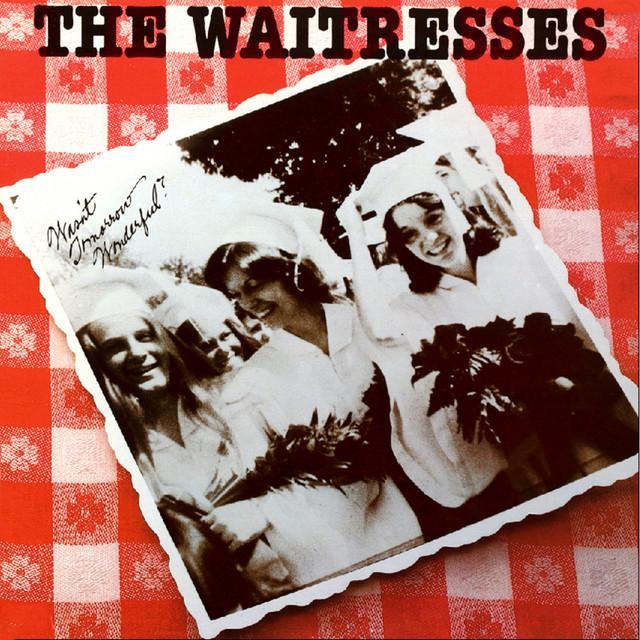
The song first appeared in 1980 and then reached a wider audience when The Waitresses included it on Wasn't Tomorrow Wonderful? and re-released it in 1982. It peaked at No. 62 on the Billboard Hot 100, according to widely cited chart data.
That modest chart run understates its afterlife. The song kept showing up in films, television, and covers because its attitude is instantly clear. Even people who do not know the whole track recognize the hook and the persona.
The Lasting Meaning of I Know What Boys Like
So, what is the meaning of I Know What Boys Like The Waitresses? It is a song about understanding desire and refusing to be ruled by it. It turns male attention into something the narrator can study, provoke, and deny.
More than that, it captures how performance itself can be power. The singer is not just telling listeners what boys like. They are showing how confidence, irony, and distance can flip the usual script.
That is why the song still feels fresh. It is catchy, but it is also a smirk set to music.
Disclaimer: this interpretation focuses on themes, tone, and context. As with many new wave songs, listeners may hear different shades of satire, empowerment, or social commentary in the performance.








