Why 'Call Out My Name' Hurts So Good
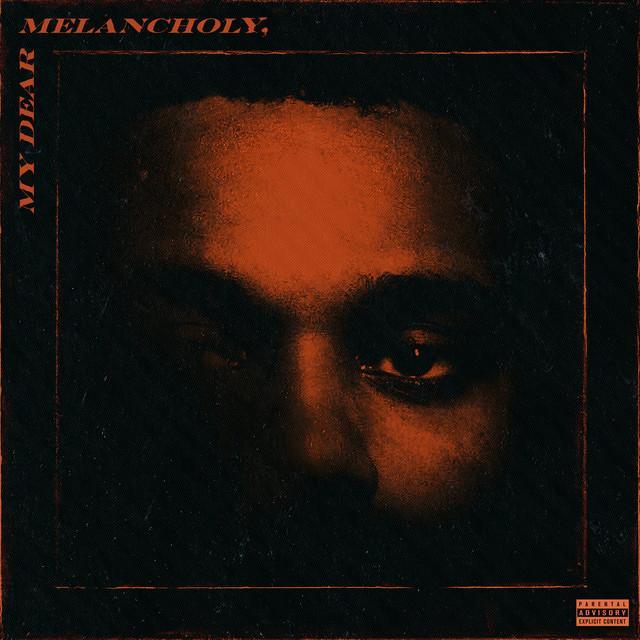
A single phrase can hold a whole breakup. The Weeknd’s “Call Out My Name,” the centerpiece of My Dear Melancholy, turns a simple request into a storm of need, pride, and release. This guide unpacks the meaning of Call Out My Name The Weeknd fans continue to debate, focusing on how the words and the sound lock together.
"Call Out My Name" - The Weeknd
I helped you out of a broken place
You gave me comfort
Loading lyrics...
Unable to load lyrics
We're unable to display the lyrics at this time. Please try again later.
What This Heartbreak Confession Holds
The song is a confession of lopsided love. The narrator recalls lifting a partner up—I put you on top
—then realizes the affection wasn’t returned with the same weight. They aren’t asking to get back together; they want acknowledgment and closure.
Interpretation: the title phrase, call out my name
, is not about ownership. It’s a plea to be recognized at the end—say the name, admit the bond was real, then let it die.

Watch the official Call Out My Name
music video
Voice and Perspective: A Lover Left on Read
The voice is first person, addressing an ex directly. They catalog what they gave and how they stayed close during hard times, but there’s a sharp turn from devotion to disillusionment. When they repeat on my way
, it carries two meanings: they’ll come running if called, yet they’re also leaving for good.
Interpretation: the narrator is negotiating self-respect in real time. They’re still aching, but they’re drawing a line.
How the Story Unfolds, Beat by Beat
- They meet when the other person is fragile, and the narrator steps in as a healer.
- The relationship becomes uneven; pedestal-building meets emotional distance.
- A brutal admission lands:
you just wasted my time
—his way of naming the imbalance. - The final stance forms: if you speak my name now, I’ll come; if not, I’m gone.
This timeline turns a private breakup into a public reckoning, but it keeps the details spare so listeners can project their own stories.
The Chorus: Need, Pride, and Letting Go
The hook pivots on a simple question—why can’t you wait?
—which reads like a request for mercy. The chorus asks for a small act of grace at the edge of goodbye. Interpretation: calling out the name is about validation more than reunion, a last human touch before detachment.
One couplet that deepens the wound
I said I didn’t feel nothing, but I lied
I almost cut a piece of myself for your life
That couplet is the emotional crater. It revisits moments when the narrator minimized his feelings and hints at extreme sacrifice. Interpretation: he’s admitting he would have gone to shocking lengths, which makes the perceived indifference cut deeper.
Images and Motifs That Sting
- Pedestals:
I put you on top
frames the helper-savior role, which curdles into resentment when love isn’t reciprocated. - Names:
call out my name
symbolizes recognition; the opposite of being erased. - Motion:
on my way
is both devotion and exit—love that can sprint or disappear.
Together, these small images build a narrative of rescue, imbalance, and a last ask for dignity.
Production Choices That Deepen the Pain
Musically, the track leans into slow, minor-key melancholy with a 6/8 sway that feels like a staggered heartbeat. Frank Dukes and The Weeknd wrap the vocal in cavernous reverb, hushed guitars, and a swelling, almost choral backdrop. The falsetto peaks arrive like a sob catching in the throat.
The mix holds tension: verses are intimate and breathy; the chorus lifts into a cinematic cry. The final repetitions of on my way
ride a gradual fade, suggesting resolve overtaking longing.
Public Speculation vs. What’s On the Record
Public chatter has tied the song to real relationships from 2017–2018, including a high-profile romance and a well-known health crisis. Some listeners hear the “piece of myself” line as pointing there. That reading is plausible, but it remains speculation. The Weeknd hasn’t confirmed a single muse.
What is confirmed: the song anchors My Dear Melancholy, released in 2018; it credits Abel Tesfaye, Adam Feeney (Frank Dukes), and Nicolás Jaar as writers; and it became a major hit in the United States. Jaar’s credit reflects musical DNA shared with his work, while Dukes’ production shapes the song’s shadowy atmosphere.
The Meaning That Lasts
For many U.S. listeners, the meaning of Call Out My Name The Weeknd captures is the sting of giving more than you got—and still wanting to be seen. It’s a breakup song that understands how dignity and desire can coexist for a moment. That moment is the chorus.
Interpretation can vary. Only the artists know the full intent, and listeners bring their own histories to the song.
Sources
- https://www.billboard.com/music/chart-beat/the-weeknd-call-out-my-name-debut-hot-100-8348012/
- https://pitchfork.com/news/the-weeknds-call-out-my-name-credits-nicolas-jaar/
- https://genius.com/The-weeknd-call-out-my-name-lyrics
- https://www.billboard.com/music/music-news/the-weeknd-my-dear-melancholy-ep-stream-8281876/
- https://www.rollingstone.com/music/music-album-reviews/the-weeknd-my-dear-melancholy-202666/








