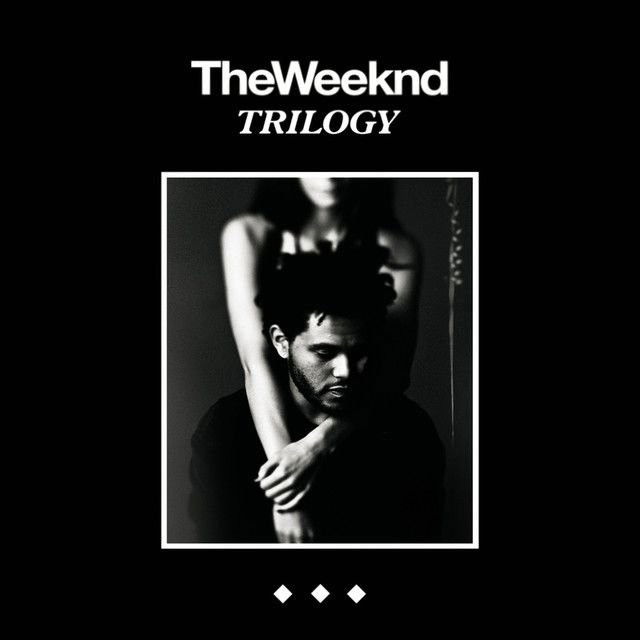
Why 'House of Balloons/Glass Table Girls' Is No Party
The shock of this two-part track is how cheerful it sounds at first—and how quickly that cheer curdles. At its core, the meaning of House of Balloons / Glass Table Girls The Weeknd is a portrait of pleasure as a trap: a party that promises safety while quietly erasing limits.
"House of Balloons / Glass Table Girls" - The Weeknd
Uh
Ay, ayy
Loading lyrics...
Unable to load lyrics
We're unable to display the lyrics at this time. Please try again later.
The Pleasure Trap Behind the Smile
The opening half lifts the melody of Siouxsie and the Banshees’ “Happy House,” wrapping Abel Tesfaye’s falsetto in glossy synths. He lures a guest into his orbit with soothing lines, selling a space that seems safe and euphoric. But those reassurances are a mask.
Interpretation: The song stages a bait-and-switch. First, the narrator markets a haven; then he reveals the cost—numbness, loss of time, and moral drift.
Watch the official House of Balloons / Glass Table Girls
music video
Who’s Speaking, and Who’s Being Kept?
The narrator is a first-person host and seducer. He flatters, manages, and sets terms. When he says you belong to me
, he exposes the control seated under the charm. She’s invited in, but on his rules.
We also see his belief that the environment explains away choices. He shrugs off blame and frames the night as carefree fun. Interpretation: That stance turns consent into momentum—if the room keeps moving, no one has to decide.
The Night, Beat by Beat
Here’s how the story unfolds:
- The party sells calm and safety, as if nothing can go wrong.
- Temptation becomes setting:
the music got you lost
; choices blur while the beat leads. - Time collapses—the lyric nods to
same clothes
on the next day, signaling a sleepless bender. - The mask drops in part two:
bring out the glass tables
cues a sharper, heavier scene—surfaces for powder, bodies on display, doors open, privacy gone. - He boasts they could
turn this to a nightmare
, revealing menace beneath the pleasure. - Finally, dissociation:
I’m so gone
sums up the emotional exit.
The Hook Is Irony, Not Comfort
The song’s centerpiece sounds like reassurance, but it’s closer to a warning label:
If it hurts to breathe, open the window
your mind wants to leave but you can't go
This is a happy house
We're happy here
He offers quick fixes (open a window), then overrides the listener’s instinct to leave. Interpretation: The “happy house” mantra is gaslighting—the more it’s repeated, the less true it feels. The party becomes a padded room.
Symbols That Cut Through the Fog
- Balloons: Party decorations that hide a grim interior. Interpretation: They’re cosmetic joy—cheap air with glossy skin.
- Glass tables: A widely read stand-in for cocaine surfaces. The transparency matters; nothing is hidden, yet no one calls it out.
- 707: Interpretation: likely a nod to the Roland TR‑707 drum machine, telegraphing a beat switch and a DJ’s command to escalate.
- “Elm Street” reference: Flirts with horror, foreshadowing pleasure turning predatory.
Together, these symbols map the journey from invitation to entrapment.
How the Sound Tells the Story
Production by Doc McKinney and Illangelo splits the track in two. Part one shimmers—ratcheting hi-hats and a buoyant bassline under a familiar new-wave hook. It’s a reconstruction of “Happy House,” reframed as soft neon.
Midway, the floor drops. The second half thickens the low end, the synths pulse instead of glide, and the vocal delivery flattens into a numbed rap. Interpretation: That beat switch is the moral hinge; brightness drains, and we hear the cost of the high.
Context matters. Released in 2011 on the House of Balloons mixtape, the track helped set the template for alternative R&B—moody textures, intimate vocals, and explicit, unromantic nightlife detail. The Weeknd’s early mystique and the mixtape’s sample-heavy, genre-blurring sound signaled a break from late-2000s gloss and pushed R&B into darker territory.
Alternate Readings Worth Considering
- Interpretation—Social mirror: The song reflects Toronto’s after-hours scene at the time, capturing how status, drugs, and sex overlap in cramped apartments and lofts.
- Interpretation—Addiction parable: The “house” is dependency; the “glass tables” are ritual. The narrator’s confidence is denial personified.
Both readings work because the track pairs first-person intimacy with a detached tone, letting listeners feel charmed and chilled at once.
Takeaway
The song isn’t an anti-party sermon; it’s a close-up of how a party can talk you out of yourself. That’s why the smile in its first half feels so unsettling by the end.
Disclaimer: Song meanings are interpretive and may differ from the artist’s intent.
Sources
- https://en.wikipedia.org/wiki/House_of_Balloons
- https://en.wikipedia.org/wiki/House_of_Balloons_/_Glass_Table_Girls
- https://www.billboard.com/lists/songs-that-defined-the-decade-2010s/weeknd-house-of-balloons-glass-table-girls/
- https://www.billboard.com/music/rb-hip-hop/the-weeknd-rb-impact-2010s-8406530/
- https://pitchfork.com/reviews/albums/15275-house-of-balloons/
- https://www.theguardian.com/music/2011/mar/24/weeknd-house-of-balloons-review









