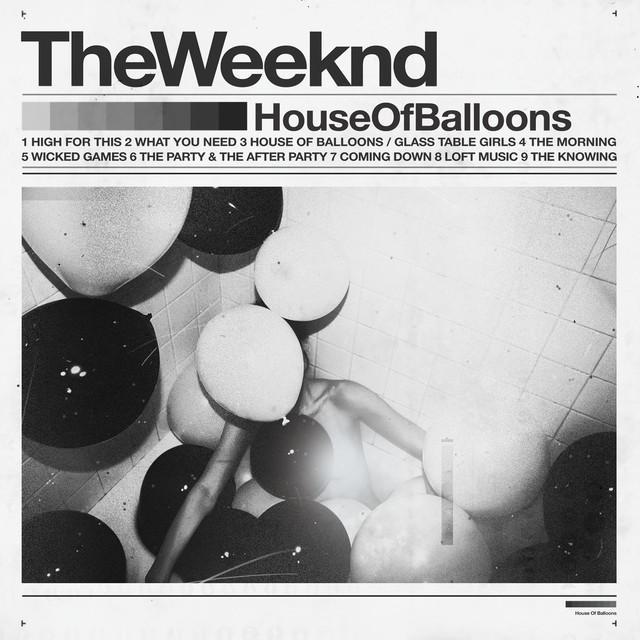
What You Need by The Weeknd
A dark invitation at the start of House of Balloons
The meaning of What You Need The Weeknd starts with a simple setup: a speaker tries to pull someone away from another partner by claiming they can give deeper pleasure, stronger emotion, and a more dangerous kind of comfort. It is not a love song in a soft sense. It is a seduction song built on competition, secrecy, and control.
"What You Need" - The Weeknd
He don't got to know where
Does he touch you here like this? (This, this, this)
Loading lyrics...
Unable to load lyrics
We're unable to display the lyrics at this time. Please try again later.
The track appeared on The Weeknd's 2011 mixtape House of Balloons, the release that introduced Abel Tesfaye's shadowy style to a wider audience. According to The Weeknd's official site and major music coverage from Pitchfork, that early era helped define their image: late-night R&B filled with desire, numbness, and emotional distance.

Watch the official What You Need
music video
The song's core meaning: want versus need
At the center of the song is one repeated idea: the other man may be exciting on the surface, but the narrator believes they are essential. That is why the hook contrasts He's what you want
with I'm what you need
. In plain terms, the song tries to turn desire into dependency.
That distinction matters. A "want" sounds optional, almost casual. A "need" sounds urgent and unavoidable. The speaker uses that language to make themself seem more powerful and more intimate than the woman's current partner.
Interpretation: this is less about healthy connection than persuasion. The narrator is selling an experience, almost like a product, and trying to convince the listener that ordinary romance is not enough anymore.
Who is speaking, and how do they gain power?
The voice in the song is direct, confident, and intrusive. From the opening lines, the speaker offers escape and secrecy, pushing the idea that the current relationship is incomplete. When they ask if the other man can satisfy her in the same way, the song turns into a challenge.
A short line like I just wanna take you there
sounds inviting at first. But paired with the secrecy of not letting the boyfriend know, it becomes manipulative. The speaker is not simply expressing feelings. They are creating a private world where rules do not matter.
That is important to the meaning of What You Need The Weeknd because many early Weeknd songs blur pleasure and control. The speaker sounds smooth, but they also sound possessive.
Why the chorus feels so unsettling
The chorus is catchy because it is simple and repetitive, but that repetition also gives it a hypnotic quality. The song keeps returning to the same claim until it starts to feel like pressure rather than reassurance.
The most revealing image in the chorus is I'm the drug in your veins
. Before and after that phrase, the song frames romance as addiction. The speaker is not saying they are supportive or safe. They are saying they are something the other person will crave even if it hurts.
Ain't no one goin' stop us
I'm the drug in your veins
Just fight through the pain
Paraphrased, the message is clear: ignore limits, give in, and treat suffering as part of the thrill. That is what makes the song dark. It turns emotional and physical risk into part of the fantasy.
Sex, status, and performance in the verses
The second verse pushes the song further into bravado. The speaker claims they can do everything the boyfriend can do, only better. This is where lust mixes with ego. Sex is presented as proof of superiority.
Lines about the floor, high heels, and physical dominance are not there just for shock. They show that the speaker wants to overwhelm the other person with sensation. In that world, intimacy becomes a contest.
Interpretation: the song is about more than cheating. It is also about a character who measures value through excess. If they can offer more intensity, they think they deserve the woman's loyalty.
How the production deepens the message
Production is a big reason the song feels intimate and eerie at the same time. The track was written by Abel Tesfaye and Jeremy Rose, with Rose closely tied to the sound of The Weeknd's earliest material, as noted in reporting by Complex and Rolling Stone. The arrangement moves slowly, leaving space around the vocal.
That space matters. The beat does not rush forward. It hangs in the air, which makes every line feel closer and more private. The soft, almost ghostly atmosphere makes the speaker sound like they are whispering temptation directly into someone's ear.
The vocal style is just as important. Tesfaye sings with restraint instead of shouting emotion. That cool delivery makes the words feel more convincing, and more chilling. The calmness suggests the speaker is used to getting what they want.
Where this fits in The Weeknd's early persona
In the context of House of Balloons, this song works like an opening statement. The early Weeknd persona often mixed beauty with moral collapse: glamorous nights, blurred boundaries, and people using one another to escape emptiness. Reviews from 2011 regularly pointed to that contrast between seductive sound and troubling content, including coverage from BBC and AllMusic.
What You Need captures that formula perfectly. It sounds soft and inviting, yet the message is hard. The song offers pleasure, but never stability. It promises connection, but the language is built on rivalry and obsession.
Final reading: a seduction song with a warning inside it
So, what is the meaning of What You Need The Weeknd? At its core, it is a song about someone trying to replace another lover by presenting themself as irresistible, necessary, and even addictive. It explores the difference between attraction and dependence, and it does so in a way that feels both seductive and dangerous.
The song lasts because that tension is so strong. It is sleek on the surface, but underneath it is about control, pain, and emotional hunger.
Disclaimer: This interpretation is based on the lyrics, performance, and public context around the song. As with any art, listeners may hear different meanings in it.








