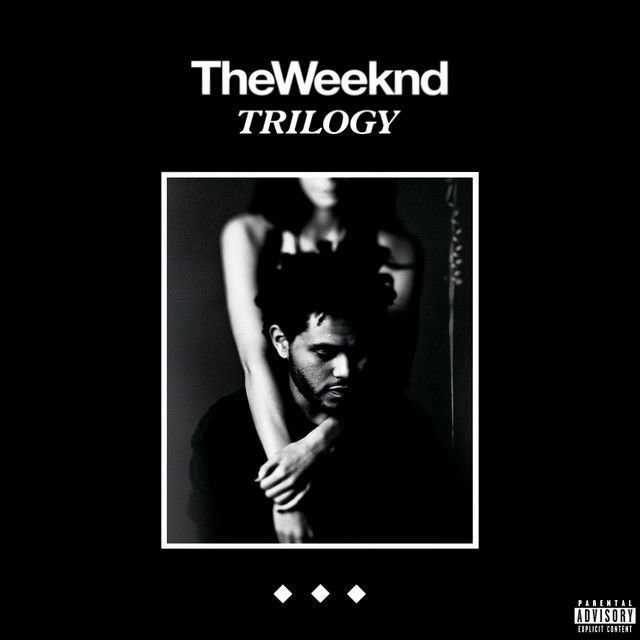
Wicked Games by The Weeknd
A decade on, listeners still ask about the meaning of Wicked Games The Weeknd. The track hits a nerve because it turns a private confession into a public mirror: how far will someone go to feel loved for one night? It’s a blunt, late-night prayer wrapped in alt‑R&B haze.
"Wicked Games" - The Weeknd
I don't love her no more
And she'll never fucking know that
Loading lyrics...
Unable to load lyrics
We're unable to display the lyrics at this time. Please try again later.
Desire, Drugs, and a Deal They’ll Regret
Wicked Games is about transactional intimacy. The narrator proposes a trade—comfort and validation in exchange for bodies, secrets, and substances. When he admits I don't love her no more
, the line isn’t a victory lap; it’s a warning. He is already broken and moving further into the dark.
He stacks offers to seal the moment: I could bring my shame
and Bring the drugs
. In plain terms, he will share pain and provide a chemical escape if the other person returns a simple line of affection. The song’s tension lives in that bargain: a true need met with a false promise.
Watch the official Wicked Games
music video
The Narrator and the Night: Who, Where, Why
The voice is first-person and direct, speaking to a woman in a dim, private setting. Cash is on the table, cups are filling, and the city hums outside. This is not romance; it’s a negotiation.
Key beats in the night:
- He discards a previous relationship and seeks a quick replacement for closeness.
- He flashes money and substances to speed trust.
- He confesses wounds—“scars,” “shame”—to invite intimacy.
- He asks for words he knows aren’t real to soothe his fear of being alone.
Taken together, these moves sketch a cycle of self-soothing. The narrator is lucid about what he’s doing, yet he does it anyway. That awareness is part of the tragedy.
The Hook Is a Contract, Not a Promise
The chorus makes the terms explicit. He pleads Tell me you love me
, then narrows it with Only for tonight
. He doesn’t need forever—just a believable illusion before morning. That short window reveals the song’s center: the relief of hearing the words matters more than whether they’re true.
Interpretation: The hook functions like a contract. He offers what he controls—drugs, money, vulnerability—and in return, he wants staged affection on demand. The sad twist is that both parties know the script and follow it anyway.
Symbols Decoded and the Sound Behind Them
- Shame and Scars: Repeated mentions of inner damage turn confession into currency. He sells access to his pain as proof of honesty.
- Cups and Perfume: Alcohol clouds judgment; the line about putting down perfume hints at substances that overwhelm scent and sense. Intoxication is both shield and bait.
- Fame: When he offers fame, the song nods to industry temptation, where attention is a prize and a trap.
- The Devil:
Dancing with the Devil
signals a knowing step into danger. He is not confused; he is consenting to risk.
Sound ties it all together. The production, driven by Doc McKinney and Illangelo, leans on a slow pulse, cavernous reverb, and minor-key synths. The drums feel distant, as if heard through heavy air, while sub-bass presses on the chest. This spacey mix lets The Weeknd’s vocal sit close and confessional—dry enough to feel human, layered enough to feel haunted.
When his voice climbs, it isn’t showy; it’s frayed. The arrangement withholds big peaks, keeping energy in a suspended drift that mirrors intoxication. Every element says the same thing: this comfort is temporary, and the bill arrives at dawn.
Two Credible Readings and Why They Stick
- Intimate Transaction: The surface story is a one-night deal. He trades substances and secrets for brief words of love. Listeners recognize the pattern: use tonight to avoid tomorrow.
- Industry Allegory: A second reading hears a star negotiating with fame. He’ll give talent and trauma if the public says the right words back. In that frame,
Only for tonight
captures the fleeting rush of attention, whileI could bring my shame
echoes how celebrity often packages pain.
Both readings work because the lyrics keep details specific but motives universal: the need to feel chosen, even if the method hurts.
What Listeners Can Take Away
If you’re asking about the meaning of Wicked Games The Weeknd, start here: it’s a portrait of self-medication through people and substances. The song doesn’t glorify the night; it documents it with eerie calm.
Interpretation disclaimer: Meaning is subjective. This analysis reflects one informed reading based on lyrics, performance, and known context.
Sources
- https://en.wikipedia.org/wiki/Wicked_Games
- https://en.wikipedia.org/wiki/House_of_Balloons
- https://pitchfork.com/reviews/albums/15292-house-of-balloons/
- https://www.billboard.com/music/music-news/the-weeknd-trilogy-release-date-474614/
- https://www.complex.com/music/2013/10/the-weeknd-cover-story-2013








