
How The Whispers Turned Olivia Into a Warning
The meaning of (Olivia) Lost & Turned Out The Whispers is both simple and heavy: it tells the story of a young woman pulled into exploitation, then uses that story as a warning about manipulation, abuse, and survival. The song is not just gossip about one character. It is a moral tale, a social message, and a plea for Olivia to see what is happening to her.
"(Olivia) Lost & Turned Out" - The Whispers
Got distracted on her way
To grandmother's house
Loading lyrics...
Unable to load lyrics
We're unable to display the lyrics at this time. Please try again later.
Released by The Whispers, a long-running soul and R&B group known for polished harmonies and quiet-storm smoothness, the track stands out because its message is much darker than its elegant groove. That contrast matters. The song sounds graceful, but the story is harsh.
A Story Song With a Social Purpose
At the center is Olivia, introduced almost like a fairy-tale figure. The song says she was headed to grandmother's house
, and then a wolf in nice clothin'
appears. Before that image can feel playful, the song turns serious. The wolf is not an animal. He represents a man who looks safe, stylish, or respectable while actually exploiting her.
That is the core narrative move. The song uses familiar storybook language to explain predatory behavior in plain terms. Olivia is not framed as evil. She is framed as vulnerable, distracted, and then trapped.
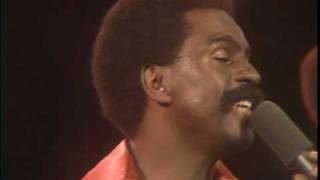
Watch the official (Olivia) Lost & Turned Out
music video
Why “Lost and Turned Out” Hits So Hard
The repeated hook lost and turned out
does a lot of work. In everyday language, “lost” suggests confusion, isolation, and disconnection from home or self. “Turned out” points to being pushed into street life and sexual exploitation.
Interpretation: Together, those words suggest more than a bad decision. They imply a system of control. Olivia has not simply changed her mind. She has been redirected by someone who profits from her.
The chorus is blunt because the song wants the listener to feel the trap. Each return to the phrase sounds like a verdict, but also like an alarm.
The Song’s Plot, Step by Step
The verses move in a clear line:
- Olivia starts as a young woman on a normal path.
- A deceptive man enters her life.
- He changes her direction.
- She ends up walking the streets under pressure.
- He benefits while she loses herself.
One of the sharpest details is the line about a certain quota
. That phrase strips away any romantic illusion. This is labor under coercion. She is being used to make money.
The car image, tied to buy a new Seville
, makes the power imbalance even clearer. Her body and risk fund his luxury. It is a small detail, but it gives the song its most cutting economic point.
A Smooth Groove Carrying a Brutal Message
Musically, the track is classic Whispers: silky harmonies, an easy pulse, and a polished R&B arrangement that lets the vocal lines stay front and center. That sleekness is part of why the song works.
Instead of matching the lyrics with chaos, the production stays controlled. The beat glides. The vocals remain measured. This creates tension between sound and subject. The listener is drawn in by warmth, then asked to confront something ugly.
Interpretation: That contrast may mirror Olivia’s situation. On the surface, the man offers glamour, style, and escape. Underneath is exploitation. The music almost reenacts that false promise.
The Fairy Tale Is Really a Street-Level Warning
The song’s most memorable writing choice is its fairy-tale frame. Olivia resembles a modern Little Red Riding Hood figure, and the man is clearly coded as the wolf. But unlike a children’s story, there is no magical rescue.
Instead, the song gives commands: break your chains
and stop letting him use her. Those phrases show that the narrator is not neutral. They are pleading with Olivia to wake up and leave.
Olivia where's your will
She's lost and turned out
Don't buy that guy no Seville
That short passage captures the song’s tone. It is judgmental in places, but also deeply worried. The speaker sees Olivia losing agency and wants to shock her back into it.
Is the Song Compassionate or Critical?
This is where the meaning gets more layered. On one hand, the lyrics clearly sympathize with people who are used and abused
. The song broadens Olivia’s case and says many girls are alone and exploited. That gives the track a wider social concern.
On the other hand, some lines sound scolding. The questions about family and shame place moral pressure on Olivia as well as on the man hurting her.
Interpretation: The song reflects two impulses at once. It wants to protect Olivia, but it also speaks from an older moral viewpoint that can sound harsh to modern ears. That tension does not weaken the song; it helps explain why it still feels complicated.
What the Narrator Represents
The narrator seems to stand for a concerned observer: part friend, part community voice, part warning siren. They are speaking about Olivia, but also toward her. That third-person setup gives the song distance while still making it emotional.
It also lets the group turn one woman’s story into a broader message. Olivia becomes both a person and a symbol. She represents young people targeted by charm, money, status, and coercion.
Final Take on the Meaning
The meaning of (Olivia) Lost & Turned Out The Whispers is about grooming, exploitation, and the painful loss of self that can follow. It shows how a manipulative man can dress danger up as love, glamour, or opportunity.
What makes the song memorable is not only its warning, but how beautifully The Whispers deliver it. Their soft, refined sound makes the tragedy feel even sadder. They do not scream the message. They let it sink in.
Disclaimer: This interpretation is based on the lyrics, recording, and common cultural context. As with many songs, listeners may hear different shades of meaning.








