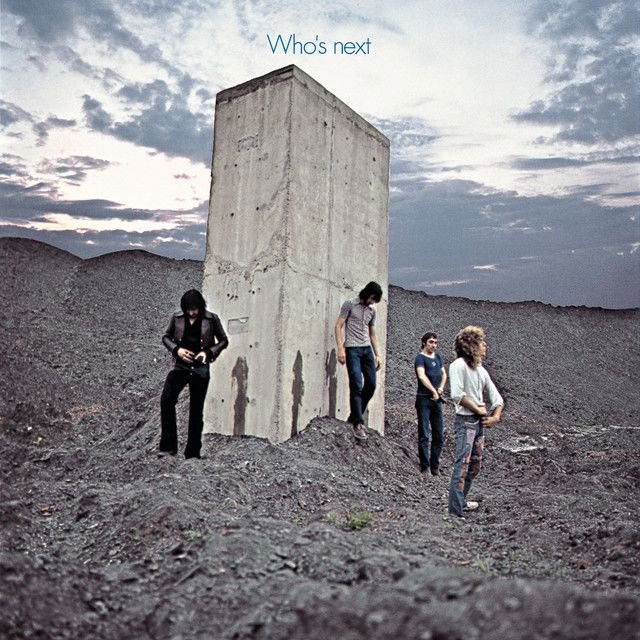
Baba O'Riley by The Who
The meaning of Baba O'Riley The Who is more serious than its huge, triumphant sound first suggests. Beneath the anthem lies a song about youth, damage, escape, and the search for something better.
"Baba O'Riley" - The Who
Provided by LyricFindOut here in the fields
I fight for my meals
I get my back into my livingLoading...Loading lyrics...
Unable to load lyrics
We're unable to display the lyrics at this time. Please try again later.
Why This Anthem Is Often Misread
Many listeners know this song by the repeated phrase teenage wasteland
. Because the music feels so big and liberating, some people hear it as a party song. But Pete Townshend meant something darker.
Factually, “Baba O'Riley” was written by Pete Townshend, opened 1971's Who's Next, and began life in the abandoned Lifehouse project, as summarized by Wikipedia. In that larger story, the song belonged to a rural character heading toward London with his family.
Interpretation: Once removed from Lifehouse, the song still keeps that feeling of motion. It sounds like a person leaving ruin behind while trying to hold onto dignity.
Watch the official Baba O'Riley
music video
The Core Meaning Behind the Lyrics
At heart, the meaning of Baba O'Riley The Who centers on disillusioned youth. The opening lines present a speaker shaped by hard work and survival. When they say I fight for my meals
, the point is not swagger. It is pressure. Life has already been harsh.
Then the song shifts. The speaker insists they do not need conflict just to prove themselves. That matters because the song contrasts physical struggle with moral exhaustion. They can work, but they are tired of pointless battles.
The famous refrain changes the frame again. It's only teenage wasteland
does not sound like a celebration when read in context. It sounds numb, almost like a coping phrase. The wasteland is not just a literal field. It suggests a generation left confused, chemically burned out, or emotionally stranded.
Where “Teenage Wasteland” Came From
Townshend later explained that festival scenes helped inspire the song. He connected the phrase to the mess left after the 1969 Isle of Wight Festival and to what he called the desolation of young people at Woodstock, a point noted by American Songwriter.
That background helps explain why the chorus feels mournful beneath the power. The song is not attacking teenagers themselves. It is mourning what the culture around them has become.
A brief lyric moment that says a lot
Before the hook repeats, the song offers comfort and warning at once:
Don't cry
Don't raise your eye
It's only teenage wasteland
Those lines can sound calm, but they are not exactly hopeful. Interpretation: They feel like survival language, as if the speaker is trying to keep panic under control while moving through chaos.
Sally, Exodus, and the Urge to Escape
The second verse gives the song a loose narrative. When the speaker says Sally take my hand
, the song becomes more personal. There is now a companion, and the focus moves from observation to escape.
Words like exodus, travel, and fire suggest flight from social collapse. In Lifehouse, this fit a literal journey. Outside that story, the same images still work as symbols. They point to leaving behind a broken scene before it destroys what is left of innocence.
Interpretation: Sally may be one person, but she can also represent human connection itself. In a wasteland, the only real answer may be finding one person to trust.
How the Sound Carries the Message
A major reason the song endures is that its sound tells the story as much as the words do. The famous opening is often called a synth part, but it was actually created on a Lowrey organ using a repeating marimba-style setting. That pulsing pattern gives the track a trance-like push.
Townshend's title joined two influences: Meher Baba and minimalist composer Terry Riley. That blend matters. The song is spiritual in name, but mechanical in motion. It feels human and machine-like at once, which fits a world where people are searching for meaning inside modern noise.
As the band enters, Keith Moon's drums and John Entwistle's bass make the track feel huge rather than delicate. Roger Daltrey's vocal does the rest. He does not sing like a detached narrator. He sounds urgent, worn down, and still standing.
Then comes the violin outro by Dave Arbus. Instead of ending neatly, the song opens outward. The violin feels wild, lonely, and almost windswept. Interpretation: It turns the song from a statement into a release, as if words can no longer carry the full weight of what the speaker has seen.
Why the Song Still Feels Current
“Baba O'Riley” remains one of The Who's defining songs because its message keeps renewing itself. Every generation has its own version of a wasteland: media overload, social pressure, addiction, alienation, or public chaos.
What keeps the song alive is its balance of warning and lift. It never pretends the damage is small, yet it does not collapse into hopelessness either. The music surges forward. The voice reaches for another person. The ending rises instead of shutting down.
Final Take on Its Meaning
The meaning of Baba O'Riley The Who is not that teenagers are reckless by nature. It is that young people can be left in emotional and cultural wreckage, and still try to run toward connection, dignity, and escape.
That is why the song feels so powerful: it sounds like an anthem, but it carries grief inside it. Disclaimer: This interpretation is based on the lyrics, known Lifehouse context, and documented comments from Townshend, but any song can hold more than one meaning for different listeners.








