Why "So Sad About Us" Still Hurts
The meaning of So Sad About Us The Who comes down to a simple but powerful idea: some breakups hurt most when neither side is painted as the villain. The song does not sound angry or vengeful. Instead, they present a relationship that has clearly failed, while the feeling of love is still alive.
"So Sad About Us" - The Who
La, la, la, la, la, la, la
La, la, la, la, la, la, la
Loading lyrics...
Unable to load lyrics
We're unable to display the lyrics at this time. Please try again later.
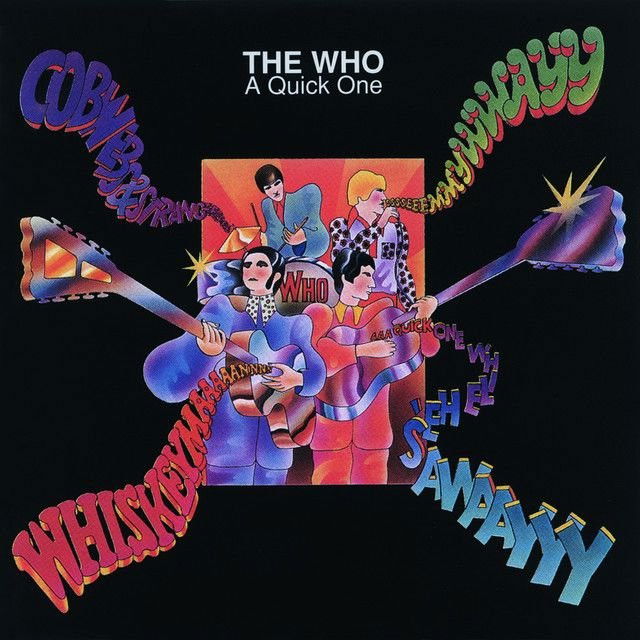
Released on A Quick One in 1966, the track was written by Pete Townshend and produced by Kit Lambert. It was recorded at IBC Studios in London in October 1966 and first issued on 9 December 1966. Critics later helped frame it as an early power-pop landmark, with Wikipedia and reporting summarized by Rolling Stone Australia both noting its strong legacy and frequent covers.
A breakup song without blame
At the center of the song is a striking choice of language. The singer does not just say one person feels hurt. They focus on the relationship itself, as heard in So sad about us
. That matters because it shifts attention from private emotion to a shared situation.
In plain terms, the song treats the breakup as a loss of a whole unit: the couple, their history, and what they might have become. That makes it feel more mature than many 1960s breakup songs, which often turned to accusation. One critic, cited by Wikipedia, called it an unusually mature and bittersweet farewell.

Watch the official So Sad About Us
music video
How the lyric moves from shock to acceptance
The words are spare, but they tell a clear emotional timeline. First comes the public reality that the split is known. Then comes the painful sense that there is no easy return. Short phrases like the news is out now
and can't turn back now
give the song a feeling of finality.
After that, the singer admits regret. The repeated idea that they never meant to break up
suggests this may not have started as a dramatic, explosive split. It may have come from distance, pride, or damage that built up over time.
That is what gives the song its ache. They are not fighting the breakup so much as watching it harden into fact.
The key emotional twist in the middle
The song’s most important insight arrives in the bridge. It argues that saying sorry is no longer enough once real harm has been done. In other words, emotional damage has a point of no return.
Then the song turns and says love itself cannot be turned off. The image compares lasting love to something natural and unstoppable. That is a concise way of saying the relationship may be over, but feeling does not obey logic.
Apologies mean nothingwhen the damage is done but you can't switch off my lovin' like you can't switch off the sun
This is the song’s bittersweet heart. The breakup is accepted, but the attachment remains.
Why the music sounds brighter than the message
One reason the song lasts is the contrast between sound and subject. The arrangement is brisk, melodic, and full of forward motion. Sources summarized by Wikipedia describe its ringing guitars, unpolished harmonies, and crashing drums as an early model for power pop.
That musical brightness changes the feeling of the lyrics. Instead of sinking into despair, they move through heartbreak with energy. The guitars chime, the rhythm pushes ahead, and the vocals keep the emotion clear rather than theatrical. The result is sadness with momentum.
This contrast also makes the song believable. Real heartbreak does not always arrive in slow piano-ballad form. Sometimes pain sits inside a catchy melody, which is exactly what happens here.
Where it fits in the Who’s story
The song came during the Who’s fast rise in the mid-1960s. According to Wikipedia, Townshend originally wrote it for the Merseys. Rolling Stone Australia adds that the Merseys had a Townshend-produced version the same year.
That origin helps explain the song’s compact structure. It has the shape of a classic pop single, even though the Who did not release it as one. Townshend himself briefly praised it, saying, a terrific number
, as quoted by Rolling Stone Australia.
Its afterlife may be the strongest proof of its quality. It has been covered by artists from the Jam to the Breeders, and AllMusic, as cited by Wikipedia, considers it one of the Who’s most covered songs.
A clear interpretation of the song’s meaning
Interpretation: the meaning of So Sad About Us The Who is not just sadness after romance. It is the recognition that two people can still care for each other after the point where repair seems possible. The title phrase mourns the shared world they built.
Interpretation: the song also captures a very specific kind of grief: not rage, not self-pity, but reluctant acceptance. That is why it feels older and wiser than its simple words might suggest at first.
Final takeaway
"So Sad About Us" endures because it turns breakup pain into something concise, melodic, and human. They show that the hardest endings are often the ones without villains, where love remains even after the future disappears.
That is why the song still lands today: it understands that people can be done with each other and still be full of feeling.
Disclaimer: This interpretation is based on the released lyrics, performance, and documented context. As with any song, listeners may hear meanings that differ from this reading.








