How The Winans Turn Faith Into Answers
The meaning of The Question Is The Winans comes down to a simple idea: faith is not vague in this song. It is direct, spoken aloud, and tested by real life. The group frames belief as a set of questions with firm answers—loyalty to God, obedience to God, and hope for Christ’s return.
"The Question Is" - The Winans
The answer is no, no, no, no, no, no
No, no, no, no, no, no, no, no, no
Loading lyrics...
Unable to load lyrics
We're unable to display the lyrics at this time. Please try again later.
That plainspoken design is a big reason the song works. Instead of using dense poetry, The Winans make gospel feel immediate. They ask what matters most, then answer without hesitation.
A Gospel Song Built Like a Testimony
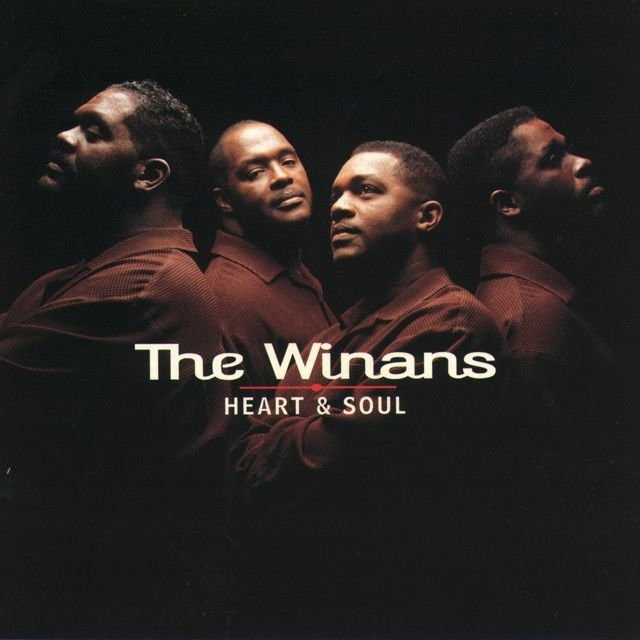
The Winans were a Detroit gospel quartet made up of brothers Marvin, Carvin, Michael, and Ronald Winans, a group known for blending traditional gospel conviction with contemporary R&B polish, as noted in this brief band history. That background matters here because the song sounds both devotional and accessible.
Rather than telling one long story, they build the track around three spiritual checkpoints. First comes commitment: they will not walk away. Then comes surrender: they will do God’s will. Last comes expectation: Jesus is returning, and they believe it will be soon.
This structure gives the song a sermon-like logic. Each section presents a spiritual test, then answers it in a way that sounds public, confident, and meant for a congregation to join.

Watch the official The Question Is
music video
What the Lyrics Are Really Saying
At the center of the song is a vow of faithfulness. When they ask whether they will ever leave, the answer is an emphatic no, no, no
. Paraphrased, they are saying their relationship with God is settled, not temporary.
The next movement changes from loyalty to action. The song asks if they will obey, and the answer becomes yes, yes, yes
. That shift matters. Faith is not only about staying; it is also about serving.
Then the song turns outward to history and prophecy. It asks when Jesus will return, and the answer is soon, soon
. In other words, they live with urgency. Their faith is not only about the past, such as Christ’s sacrifice, but also about the future.
Will I ever leave YouWill I do Your willWhen will Jesus returnNo and yes and soon
That short summary near the end functions like the song’s thesis. It compresses the whole message into a creed: remain faithful, obey fully, stay ready.
How the Verses Connect to Bigger Themes
One verse recalls a late-night moment when the Lord asks for obedience. The scene is small and personal, which keeps the song grounded. They are not only making a church declaration; they are describing a private spiritual decision.
Another key line paraphrases Romans 12:1 by describing the body as a living sacrifice
. That biblical idea deepens the song’s meaning. It suggests that doing God’s will is not a one-time feeling but a daily offering of the self.
There is also a line about Christ dying so believers could be free. That gives the earlier answer of “no” a reason. They do not stay with God out of habit alone. They stay because they believe they have been rescued.
The Prophecy Section and Its Context
The most time-specific part of the song mentions conflict in Iran and the Soviet invasion of Afghanistan. Those references place the lyric in a late-1970s or early-1980s evangelical mindset, where world crisis often fed end-times expectation.
Factually, those events were major international flashpoints. In the song, they are not discussed as policy. They are signs of instability, used to support the belief that Christ’s return may be near.
Interpretation: listeners do not have to share that prophetic reading to understand its emotional force. The point is that the world feels shaken, while faith offers certainty.
Why the Repetition Matters So Much
The repeated answers are musically simple, but they are doing heavy spiritual work. Repetition turns belief into something embodied. By the time they keep saying the answer is still no
, the song feels less like explanation and more like witness.
This is also where gospel tradition matters. In church music, repetition invites participation. It helps a congregation remember, agree, and respond. The power is not in complexity; it is in conviction.
How the Sound Carries the Message
The Winans were widely praised for bringing gospel into modern soul settings, especially during albums like Introducing the Winans, which was produced by Andraé Crouch. Even when a song is lyrically straightforward, that crossover style can make the message feel fresh.
Here, the arrangement likely works through groove, harmony, and vocal emphasis more than ornament. The music supports the call-and-response shape of the lyrics. Strong lead lines and group backing give the answers weight, as if the whole community stands behind each response.
That matters to the meaning of The Question Is The Winans because the production avoids doubt. The song sounds assured. It moves like a declaration made in rhythm.
Final Take on the Song’s Meaning
In the end, this is a song about certainty in three directions: devotion to God, obedience in daily life, and hope about the future. Its language is simple on purpose. The Winans turn theology into plain answers anyone can repeat.
Interpretation: the song’s deepest message may be that faith becomes strongest when believers stop speaking in maybes. They answer clearly, live accordingly, and wait with expectation.
Disclaimer: This interpretation is based on the lyrics, biblical references, and historical context around the song and The Winans. As with any gospel music, individual listeners may hear its meaning differently.








