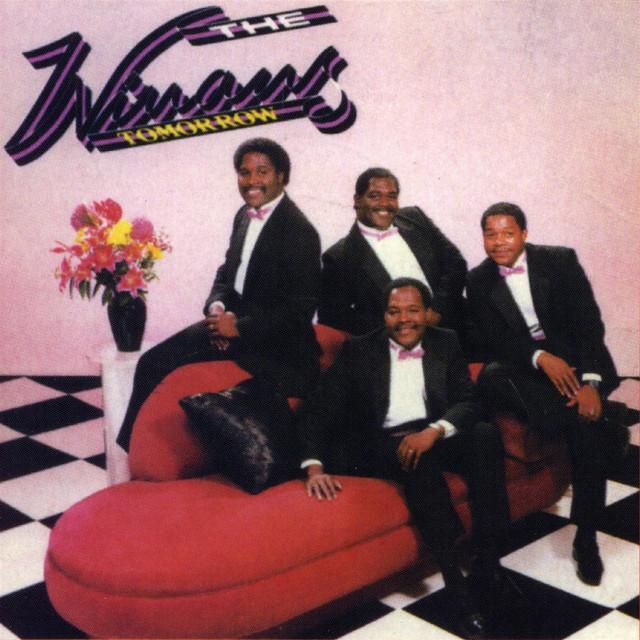
Tomorrow by The Winans
The meaning of Tomorrow The Winans is direct but powerful: the song warns against putting off a life-changing spiritual decision. Its central idea is that people often believe they will have more time later, but later is never guaranteed. In simple terms, the song is about procrastination, mortality, and the urgency of faith.
"Tomorrow" - The Winans
"Here I stand, won't you please let me in?"
And you said
Loading lyrics...
Unable to load lyrics
We're unable to display the lyrics at this time. Please try again later.
The Winans built much of their reputation on gospel music that felt both traditional and modern. As a family group from Detroit, they became one of the most important acts in contemporary gospel, a fact reflected in their long career and recognition by the Gospel Music Hall of Fame. That background matters here, because “Tomorrow” works like a sermon set to music: personal, warning-filled, and deeply emotional.
A Gospel Song About Delay, Not Doubt
At its core, the song does not describe someone who rejects Jesus outright. Instead, it describes someone who keeps postponing the response. That distinction is important. The speaker in the lyric knows the truth being offered and even admits it, but still says I will tomorrow
.
That repeated delay is the heart of the drama. The song presents faith not as a lack of information, but as a struggle of timing, comfort, and human habit. The person in the song believes there will always be another day to decide, another moment to change, another chance to surrender.
Interpretation: This is why the song feels so sharp. It is not aimed only at unbelief. It is aimed at hesitation.

Watch the official Tomorrow
music video
How the Story Unfolds Line by Line
The lyric is built like a conversation. Jesus offers welcome, help, and guidance. The human response is not anger or argument. It is delay.
That structure makes the message easy to follow:
- A call is made.
- The person admits the call is real.
- The person postpones action.
- The song challenges the assumption of future time.
One of the most effective moments comes when the lyric moves from comfort to warning. The hook asks who promised you tomorrow
, turning an ordinary word into a spiritual crisis. Suddenly “tomorrow” stops sounding hopeful and starts sounding dangerous.
Tomorrow is not promised
Don’t let this moment slip away
That short passage captures the song’s message in plain language. Time feels open-ended, but the song insists it is fragile.
Why the Chorus Hits So Hard
The chorus works because it uses a familiar word in an unfamiliar way. Most people hear “tomorrow” as a sign of possibility. This song flips that meaning. Here, tomorrow becomes an excuse, a shield against change, and maybe even a form of self-deception.
The line so much easier to say
explains the psychology behind the song. Saying they will change later is easier than changing now. That idea gives the lyric broad appeal, even beyond its Christian message. Nearly everyone understands the habit of delaying what matters most.
Interpretation: In that sense, the song is about spiritual procrastination, but it also speaks to a wider human weakness. People delay hard truths because delay feels painless.
The Voice, Audience, and Moral Pressure
The song shifts between dialogue and direct warning. At first, it feels like a private exchange. Then it opens up and sounds like a message to anyone listening. That move gives the performance a sermon-like force.
Even the phrase take my hand
keeps the message personal. The invitation is not abstract theology. It is relational. The song frames salvation as an offered hand, not just a rule.
Then the lyric tightens the pressure by describing someone who goes on, laughs, plays, and assumes there is still time. That detail matters. It shows everyday distraction. The danger is not always rebellion; sometimes it is casual indifference.
How the Sound Supports the Meaning
Musically, “Tomorrow” is designed to persuade. The arrangement is rooted in contemporary gospel, with steady rhythm, rich harmonies, and a lead vocal that moves from invitation to urgency. The slow-to-mid tempo leaves room for each warning to sink in.
The Winans were known for blending church-rooted feeling with polished modern production, a style noted by Encyclopaedia Britannica. In “Tomorrow,” that balance helps the message land. The harmonies soften the rebuke, while the repetition increases tension.
The production likely matters as much as the words. Repeating “tomorrow” over and over creates a musical loop, almost like the cycle of delay itself. The listener hears the excuse become emptier each time. By the end, the song sounds less like a plan and more like a trap.
Artist Context and Why the Song Endures
The Winans often brought plainspoken moral themes into contemporary gospel settings. That helped them reach church audiences and crossover listeners at the same time. “Tomorrow” endures because its message is simple enough for anyone to grasp, yet serious enough to stay in the mind.
It also lasts because it deals with a permanent subject: time. Many gospel songs offer comfort. This one offers warning, but not without hope. Its final turn suggests that change can begin now. In other words, the song does not just criticize delay; it opens a door out of it.
For listeners searching for the meaning of Tomorrow The Winans, that is the key takeaway. The song says the biggest spiritual mistake may not be open rejection, but assuming there will always be another chance.
A Final Reading of Its Message
Interpretation: The deepest meaning of the song is that urgency is an act of grace. The warning exists because the invitation still stands. “Tomorrow” is stern, but it is not hopeless. It urges listeners to respond while they can.
That is why the song still resonates. It turns an everyday word into a moral test and asks a question people still struggle to answer: if truth is clear today, why wait?
Disclaimer: This interpretation is based on the song’s lyrics, performance, and gospel context. As with all music, listeners may connect with it in different ways.







