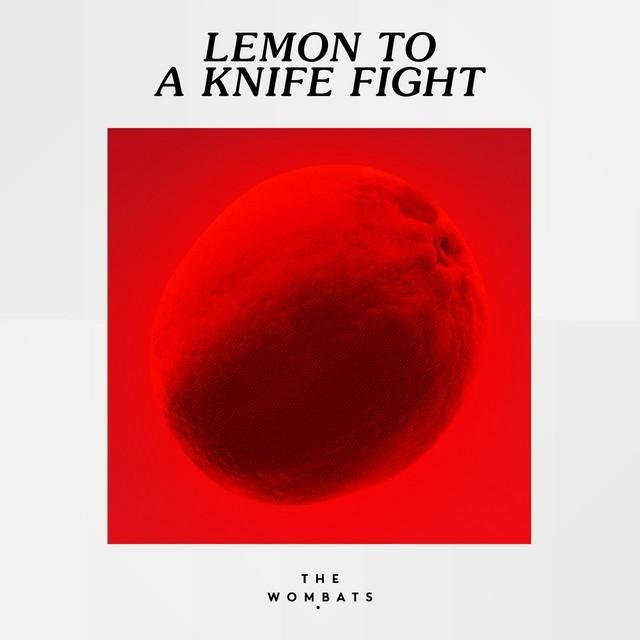
Why 'Lemon to a Knife Fight' Feels So Cornered
The meaning of Lemon to a Knife Fight The Wombats comes down to one sharp idea: they are trapped in a relationship clash where they feel totally outmatched. The song turns a bad argument into a fast, cinematic scene, full of motion, shame, attraction, and dread.
"Lemon to a Knife Fight" - The Wombats
I pick up the bill
The brake lights cast a red light
Loading lyrics...
Unable to load lyrics
We're unable to display the lyrics at this time. Please try again later.
Released in 2017 as the lead single from Beautiful People Will Ruin Your Life, it announced a darker, tighter version of The Wombats. It also came from a real-life spark. Frontman Matthew Murphy said in The FADER that the song followed a huge argument with his wife on Mulholland Drive.
The Core Idea Behind the Chaos
At heart, this is a song about losing badly in love. Not losing affection, exactly, but losing control, leverage, and confidence in a fight. The title image is absurd on purpose: bringing a lemon to a knife fight means arriving with something useless when the situation demands defense.
That joke carries a sting. The narrator is not just weaker; they know it. When they repeat I brought a lemon
, the line sounds self-mocking, like they can see their own helplessness in real time.
Interpretation: The song suggests that some couples know each other so well that arguments become precision strikes. Each person knows where the other is vulnerable. That makes the conflict feel intimate and dangerous at once.
Watch the official Lemon to a Knife Fight
music video
A Relationship Battle Told Like a Night Drive
The verses place the listener inside a moving car, which matters a lot. The brake lights, winding road, and speed turn the argument into a scene that feels unstable from the start. They are not sitting calmly in a room. They are in motion, and so is the emotional damage.
Small details hint at a messy, lived-in relationship. Images like lipstick on the backseat
and stains in the car suggest a history of desire, mistakes, and chaos. This is not a clean breakup song. It is about two people pulled back into a pattern they already know is bad for them.
The line about having clawed my way out
before shows repetition. They have escaped this emotional cycle in the past, but they keep returning. That gives the song its real sadness: the fight is dramatic, but the deeper problem is habit.
What the Chorus Really Means
The chorus is built on imbalance. One person pushes, the other shoves. One gives in, the other keeps going. Those pairings make the relationship feel less like a disagreement and more like an uneven contest.
I push and you tend to shoveI give in and you don't give up
Those lines are short, plain, and devastating. They show a dynamic where conflict escalates because the two people do not meet each other on equal terms.
Interpretation: The repeated claim that they are not getting out this time may not mean literal danger. More likely, it means emotional surrender. They feel beaten, exposed, and unable to win the exchange or escape the bond.
The Song’s Best Image: Funny, Then Brutal
The title phrase is why the track sticks. It is witty, memorable, and a little ridiculous. But it also captures the song’s whole emotional logic in one shot.
A lemon is soft, bright, domestic, even harmless. A knife fight is direct, metallic, and life-or-death. Put together, the phrase expresses mismatch. The narrator has the wrong weapon, the wrong mindset, maybe even the wrong expectations for what this relationship argument really is.
That contrast also fits The Wombats’ style. They often mix catchy melodies with anxiety, awkwardness, or self-aware panic. Here, they sharpen that formula. The phrase lands as both punchline and confession.
Sound, Tempo, and Why the Track Feels So Urgent
Musically, the song supports its meaning at every step. Reviews at the time noted its buzzing guitars and firm percussion, and that description fits the track well. The drums push forward like wheels on pavement, while the guitars create a nervous electric glow.
Murphy’s vocal also matters. He does not sing like someone calmly reflecting after the fact. He sounds caught inside the moment, balancing excitement, panic, and disbelief. That tension keeps the song from becoming just a clever metaphor.
The production by Mark Crew and Catherine Marks helps make the track sleek without softening it. The sound is polished, but the mood still feels raw. That mix of control and emotional disorder mirrors the lyrics themselves.
Context Makes the Meaning Clearer
Knowing the song’s origin helps, but it does not limit it. Murphy explained that he never wins arguments with his wife, which frames the song as a darkly comic portrait of being verbally outclassed. That real-world comment keeps the meaning grounded.
Still, listeners do not need the backstory to hear the larger idea. The song works because it captures a common feeling: realizing too late that they are in a conflict they cannot handle. That is why it connected with critics and radio, and why it remains one of the band’s standout singles.
Final Take on the Song’s Message
The meaning of Lemon to a Knife Fight The Wombats is the feeling of entering a romantic fight already defeated. It is about imbalance, repetition, and the strange pull of a relationship that is both thrilling and punishing.
Its genius is that it never sounds purely miserable. It sounds alive, charged, and darkly funny. That makes the song feel true to the way many real arguments work: painful in the moment, absurd in hindsight, and hard to stop when the pattern is already in motion.
Interpretation disclaimer: This reading combines documented artist comments with lyrical analysis, so some meaning remains open to listeners’ own views.









