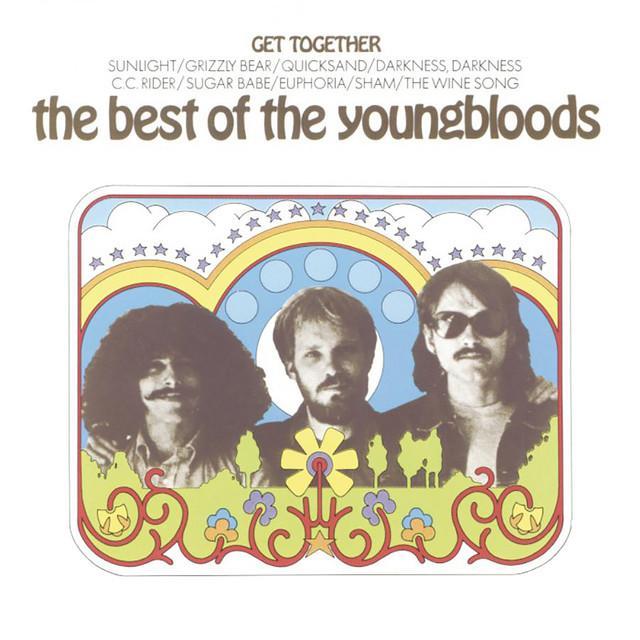
Why 'Darkness, Darkness' Still Feels So Human
The meaning of Darkness, Darkness The Youngbloods starts with a striking reversal. Most songs treat darkness as danger. This one treats it as comfort.
"Darkness, Darkness" - The Youngbloods
Take my head and let me sleep
In the coolness of your shadow
Loading lyrics...
Unable to load lyrics
We're unable to display the lyrics at this time. Please try again later.
Written by Jesse Colin Young and recorded by The Youngbloods, the song stands out in their catalog for its quiet heaviness and stark emotional honesty. Instead of reaching for hope, they let the singer ask night itself for relief. That choice gives the song its lasting power.
The Core Idea Hiding in the Night
At its heart, the song is about emotional overload. The speaker sounds tired of thinking, tired of hurting, and tired of facing what cannot be changed. They ask darkness to become a safe place where pain can finally go still.
That is why phrases like be my pillow
and be my blanket
matter so much. The song turns darkness into something soft and protective. Rather than fighting sadness, the speaker wants to disappear inside it for a while.
Interpretation: Many listeners hear the song as a portrait of depression, grief, or deep loneliness. That reading fits the language of emptiness and fear. But the lyric is broad enough to include any moment when a person wants rest from unbearable awareness.
Watch the official Darkness, Darkness
music video
A Voice Asking for Shelter, Not Victory
The singer is not trying to overcome the night. They are asking the night to hide them. That makes the emotional tone very different from a typical rock song about struggle.
When the lyric asks darkness to hide my yearning
, it suggests desires that cannot be fulfilled. The pain is not only about loss. It is also about longing for something out of reach.
Another key image is the mind that keeps turning toward what cannot be seen. In plain terms, the speaker is trapped in restless thought. They cannot stop reaching toward answers, meaning, or certainty, and that endless searching only deepens the ache.
How the Song Moves From Longing to Emptiness
The song’s emotional timeline is simple but powerful:
- The speaker first asks for sleep and quiet.
- They then ask darkness to hide impossible desires.
- The feeling deepens into sadness and fear.
- Finally, they ask for relief from the
pain of knowing
.
That last idea may be the song’s sharpest line. Knowing can mean too many truths at once: that some things cannot be fixed, that some answers never come, or that awareness itself can hurt. The song does not explain which truth is causing the pain, and that ambiguity is part of why it endures.
The Hook Reframes Darkness as Mercy
The repeated cry of Darkness, darkness
works like both prayer and surrender. Every return to the title phrase feels less like fear and more like an appeal for mercy.
This is the song’s biggest emotional twist. Darkness usually stands for ignorance or danger in popular music. Here it offers coolness, silence, and cover. The singer does not want enlightenment. They want relief.
In the coolness of your shadow
In the silence of your dream
Those lines help explain why the song feels almost spiritual. The darkness is not just the absence of light. It becomes a place outside ordinary pain, almost like a temporary trance.
The Sound Makes the Meaning Heavier
Part of the meaning of Darkness, Darkness The Youngbloods comes from the arrangement as much as the lyric. The performance is slow and restrained, with a haunted mood that leaves plenty of open space around the vocal.
That spaciousness matters. A busy arrangement would weaken the song’s sense of inward collapse. Instead, the music moves carefully, as if it does not want to disturb the fragile state the singer has entered.
The vocal delivery also avoids melodrama. They sound worn down, not theatrical. That choice keeps the song intimate and believable.
Interpretation: Because the instrumentation does not force a clear resolution, the song remains suspended between sleep, surrender, and despair. The listener never gets a triumphant release, which mirrors the speaker’s unresolved state.
Jesse Colin Young’s Writing Context
Jesse Colin Young wrote the song, and it became one of The Youngbloods’ most acclaimed recordings. While the band is often remembered for the hopeful hit “Get Together,” this song reveals a darker, more inward side of their work.
That contrast is important. It shows they were not limited to sunny idealism. They could also write about fear, emptiness, and the wish to withdraw from the world.
Two Strong Readings of the Song
Reading One: A Song About Depression and Exhaustion
This is the most common interpretation. The language of emptiness, pain, and fear suggests someone emotionally drained and unable to face daylight. In that reading, darkness is a refuge from mental suffering.
Reading Two: A Song About Knowledge That Hurts
Another reading centers on awareness. The lyric returns to what cannot be seen, what cannot be, and the burden of knowing. In this version, the song is about the pain of consciousness itself: wanting answers, finding none, and longing to shut the mind off.
Both readings work because the writing stays simple and symbolic.
Why the Song Still Lands Today
The song still resonates because it says something many people feel but rarely say out loud: sometimes comfort does not look like hope. Sometimes it looks like silence, sleep, or a pause from thinking.
That is the real strength behind the meaning of Darkness, Darkness The Youngbloods. It does not glorify pain, but it does admit how seductive numbness can feel when life becomes too heavy.
Final Take
“Darkness, Darkness” is a song about asking night to hold what the self cannot carry. Through plain language, shadowy imagery, and a restrained performance, The Youngbloods turn darkness into a symbol of relief, hiding, and temporary peace.
That interpretation is one reading, not a fixed fact. As with many great songs, its meaning remains open to each listener’s own experience.








