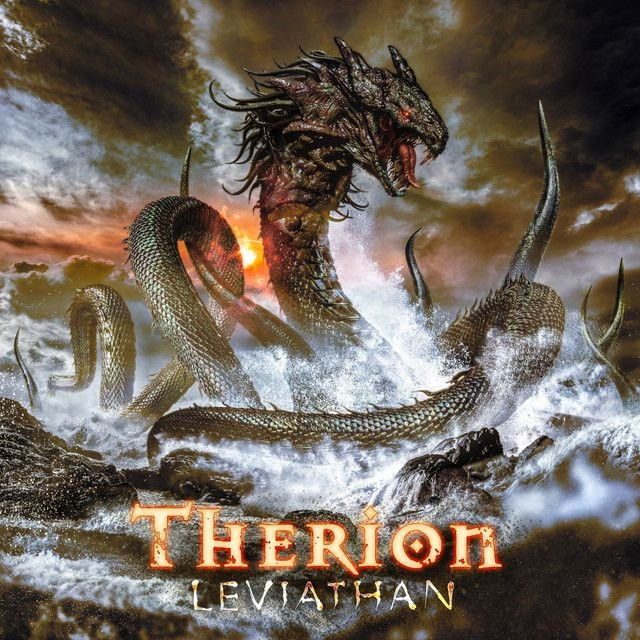
Psalm of Retribution by Therion
The meaning of Psalm of Retribution Therion starts with a simple idea: this is a song about calling down judgment. But Therion do not present that judgment in a plain moral way. They dress it in occult language, mythic symbols, and symphonic metal drama, turning the track into a ritual of revenge rather than a normal prayer.
"Psalm of Retribution" - Therion
Shadow of Sephiroth
Raven of dispersion
Loading lyrics...
Unable to load lyrics
We're unable to display the lyrics at this time. Please try again later.
On Therion's 2021 album Leviathan, the song stands out for both subject and authorship. The album was released by Nuclear Blast on January 22, 2021, and was designed as a more direct, accessible Therion record after more complex recent projects, according to album notes summarized in current reference material. That larger context matters because this track takes a dense mystical topic and delivers it with a punchy, forceful structure instead of a slow concept-album sprawl.
A Prayer That Twists Into Vengeance
At its core, the song is about a speaker asking higher forces to punish those they see as guilty. The opening call to spread out your wings
does not sound gentle or comforting. It sounds like the start of an invocation, as if a barrier is opening between worlds.
From there, the lyrics build a scene of spiritual warfare. The speaker calls on a raven-like force linked to shadow and division, then asks for a reckoning against enemies who have violated what is sacred. The language of "justness" suggests moral order, but the tone keeps pushing past justice into revenge. That tension is the key to the song's power.
Interpretation: Therion seem interested in how easily a holy cause can become a violent one. The title says "psalm," which suggests worship, but "retribution" changes the whole mood. This is not praise. It is punishment framed as sacred duty.
Watch the official Psalm of Retribution
music video
Kabbalah, Qliphoth, and the Dark Mirror
Factually, Leviathan draws from many mythologies, and reference material on the album notes that "Psalm of Retribution" is specifically based on Kabbalah and mentions A'arab Zaraq and the qlippoth. The same source also notes that the lyric was written by Christofer Johnsson, unlike most of the album's lyrics, which were written by Per Albinsson.
That helps explain the song's imagery. In broad terms, Kabbalah often centers on the Sephirot, a structure associated with divine emanation and spiritual order. The qlippoth are commonly treated in occult traditions as a dark or broken counterpart to that order. So when the lyrics invoke the Shadow of Sephiroth
, they point toward a distorted reflection of holiness.
The reference to A'arab Zaraq
deepens that darkness. Even listeners who do not know the exact mystical background can hear what the song is doing: it summons powers from a hidden, hostile realm and asks them to enter the human sphere.
How the Story Moves From Summons to Sentence
The song works almost like a short ritual drama. Its action unfolds in a few clear stages:
- A force is summoned from outside ordinary human life.
- The speaker lists acts of profanation and spiritual damage.
- A demand for truth and judgment is repeated.
- The invoked power is told to decide who is damned.
That middle section matters most. The enemies are described as trampling what is holy and stealing a soul's inner spark. These are not small wrongs. They are framed as cosmic offenses. That is why the speaker's response feels absolute.
The repeated cry Seek the truth
is especially important. On paper, it sounds fair-minded. In context, though, it feels like the last formal step before violence. Truth here is not a path to peace. It is a way to justify the sword.
Seek the truth
Gorarah
Swing your sword
In this brief refrain, the song compresses its whole worldview: investigate, invoke, punish.
Symbols That Make the Song Feel Huge
The imagery gives the track its scale. Ravens, volcanoes, swords, shrines, and the tree of knowledge all suggest a struggle bigger than one person's anger. They turn a private grudge into a mythic event.
The raven image is especially rich. A raven can signal prophecy, death, battle, or a messenger from another realm. Here, it becomes an agent of dispersal and destruction. The volcano image does something similar. Fire from the earth suggests buried force erupting into the open.
Interpretation: These symbols make vengeance feel inevitable. The song does not present punishment as a choice made in calm reflection. It feels like a natural disaster powered by spiritual law.
Why the Music Sells the Meaning
Therion's symphonic metal style is crucial to the song's message. Leviathan has been described in current album coverage as a more bombastic and catchy entry in the band's catalog, and this track benefits from that approach. Heavy guitars, choral layers, and formal-sounding vocals create the sense of a ceremony already in progress.
Personnel listings for the album also show the kind of arrangement Therion use: metal instrumentation combined with choirs and multiple vocalists. On "Psalm of Retribution," that fusion matters because it blurs the line between opera, liturgy, and battle music. The result feels both elevated and threatening.
Instead of sounding like a human argument, the song sounds like a verdict being read aloud in a giant hall. That theatrical quality is why even abstract references land with force.
The Strongest Reading of the Song
The strongest reading of the meaning of Psalm of Retribution Therion is that the song explores revenge disguised as righteous correction. It speaks in sacred language, but it is fascinated by wrath. It asks who deserves punishment, yet it never sounds doubtful about using it.
That does not make the song simplistic. Its real tension lies in how justice and cruelty sit side by side. Therion leave listeners inside that uneasy overlap, where moral certainty can turn severe and even monstrous.
In that sense, the song is less about religion than about the dangerous thrill of believing one has the right to judge.
Interpretation disclaimer: Song meaning is not fully fixed, and this reading is an informed interpretation based on the lyrics, album context, and Therion's known themes.








