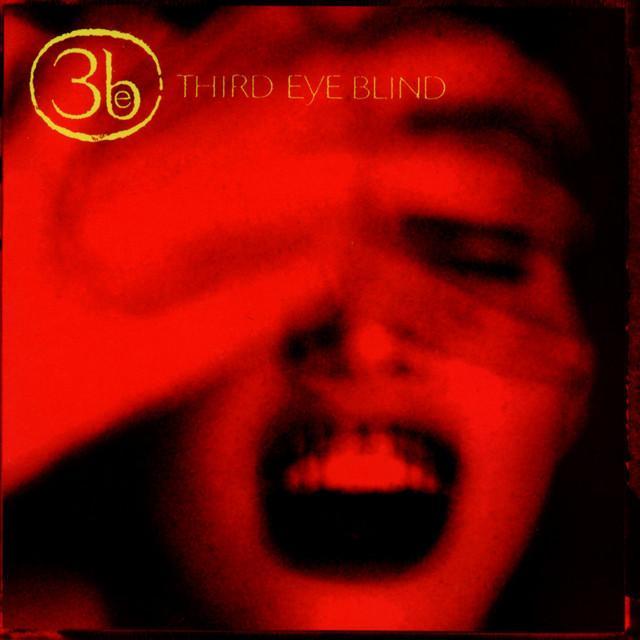
How's It Going to Be by Third Eye Blind
A breakup song about becoming strangers
The meaning of How's It Going to Be Third Eye Blind comes down to one haunting idea: a breakup does not end when the arguing stops. It ends when two people who once knew each other deeply become unfamiliar. That is the wound this song keeps touching.
"How's It Going to Be" - Third Eye Blind
Before you take a swing
I wonder what are we fighting for?
Loading lyrics...
Unable to load lyrics
We're unable to display the lyrics at this time. Please try again later.
Third Eye Blind released the track from their self-titled 1997 debut, and frontman Stephan Jenkins has said it is about the end of a relationship and the strange move into acquaintanceship. That detail matters because the song is not just sad about separation. It is scared of emotional erasure. The real loss is not only love, but recognition.

Watch the official How's It Going to Be
music video
The central fear hiding in the chorus
The chorus circles one question: what happens when one person no longer really knows the other? Phrases like don't know me
and not there
turn the breakup into a crisis of identity. They are not only losing a partner; they are losing the version of themselves that existed inside that relationship.
Interpretation: That is why the title question feels so heavy. It sounds simple, but it is really asking: What will reality feel like after intimacy is gone? How do they live in the same world once the bond has emptied out?
The repeated question also suggests denial. They keep asking because they cannot fully imagine the answer. The song captures that suspended moment before acceptance arrives.
Small scenes make the heartbreak believable
One of the best things about the lyric is how everyday the damage feels. Instead of dramatic revenge or grand speeches, the song shows a home life breaking down. There was once laughter, and now there is a fight. There was once warmth, and now there is a silence they cannot ignore.
The image of a place once shared now sitting empty is especially effective. The abandoned hammock and doorway memory show how physical spaces hold emotional echoes. The relationship is ending, but the setting still remembers it.
Where we used to laugh
There's a shouting match
That short turn says a lot. It compresses the whole arc of a relationship into two emotional states: ease and conflict. The song suggests that heartbreak often feels worst not in the final goodbye, but in noticing how familiar joy has been replaced by routine pain.
Why the "I don't care" line sounds false
Near the chorus, the speaker says I don't care
. On the surface, that sounds detached. But in context, it lands as a defense mechanism.
If they truly did not care, there would be no song, no repeated questioning, and no obsession with what comes next. The lyric sounds like someone trying to protect themselves from humiliation or grief. They may want emotional distance, but they are not emotionally distant.
Interpretation: This tension is part of what makes the song feel human. People in breakups often say the opposite of what they feel because honesty can make the loss feel more final.
The last verse adds desire and escape
Late in the song, the writing gets more conflicted. The speaker wants to return to numbness, calling it a soft dive of oblivion
, but they also still crave physical closeness. That mix of wanting to forget and wanting to feel again is one of the song's sharpest insights.
Breakups are rarely emotionally neat. They may know the relationship is ending, yet still miss touch, routine, and comfort. The song does not resolve that contradiction. It lets both impulses sit there at once.
That choice makes the writing stronger. It avoids tidy lessons and stays truthful to the messy overlap of desire, memory, and self-protection.
How the sound deepens the meaning
The production helps carry the emotion without overplaying it. The song opens with Kevin Cadogan's autoharp, a defining sonic detail often noted in coverage of the track. Its chiming, old-fashioned tone gives the record an instant feeling of nostalgia, as if the song is already remembering something while it is still being lost.
The arrangement stays patient and spacious. Reported at around 78 BPM in F major, the track moves slowly enough to feel reflective rather than explosive. Guitars, drums, and touches like cello add weight, but the performance never tips into melodrama. That restraint mirrors the lyric's emotional state: hurt, stunned, and trying to stay composed.
Jenkins' vocal delivery matters too. He does not sound triumphant or theatrical. He sounds like someone thinking out loud because they still have not made sense of the ending.
Context helps explain why it connected
"How's It Going to Be" was released to radio in October 1997 as the third single from Third Eye Blind. It became one of the band's biggest crossover hits, reaching No. 9 on the Billboard Hot 100 and spending 52 weeks on the chart. That long run suggests listeners heard their own lives in it.
Part of its appeal is that it treats heartbreak as a slow identity shift instead of a single dramatic event. Jenkins also linked the song to "lost love" and the painful realization that relationships can have limits. That idea is deeply relatable: even when two people should separate, it still hurts to learn love was not permanent.
Final takeaway on the song's meaning
The meaning of How's It Going to Be Third Eye Blind is the fear of emotional unfamiliarity after love ends. It is about the moment when two people go from intimate partners to people who may one day exchange only polite recognition.
That is why the song still lingers. It understands that the hardest part of some breakups is not leaving. It is imagining life after the shared language is gone.
Disclaimer: This interpretation combines documented artist comments with close reading of the lyrics and sound. Like most songs, it can support more than one valid meaning.









