Why 'Animal I Have Become' Still Hits Hard
The meaning of Animal I Have Become Three Days Grace comes down to one core fear: losing control of who they are. The song is not subtle, and that is part of why it lasts. It turns inner conflict into a hard-rock confession about rage, shame, and the hope that the worst version of a person is not their true self.
"Animal I Have Become" - Three Days Grace
So many times I've tried
But I'm still caged inside
Loading lyrics...
Unable to load lyrics
We're unable to display the lyrics at this time. Please try again later.
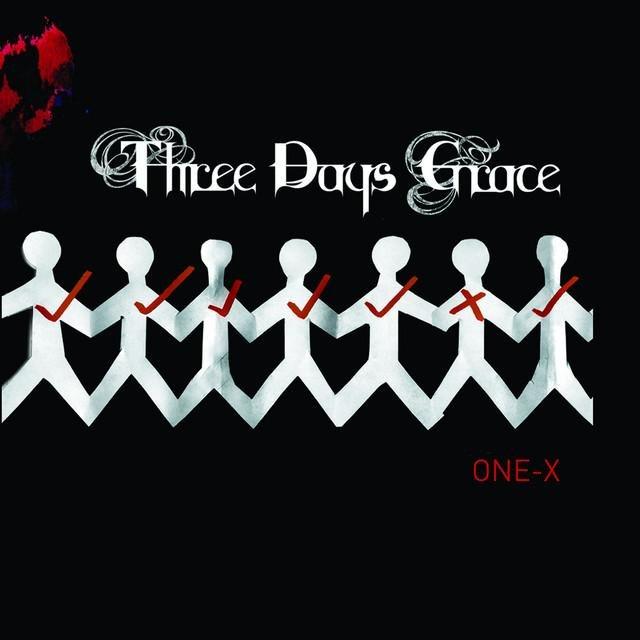
Released by Three Days Grace on One-X, the track became one of the band’s signature songs in the 2000s rock era. It was written by Adam Gontier, Barry Stock, Brad Walst, Gavin Brown, and Neil Sanderson. Those facts are widely documented in official album credits and music databases.
A Fight Between the Real Self and the Dark Self
At its heart, the song describes someone who feels trapped inside their own mind. Early lines present a closed, punishing space, using phrases like escape this hell
and caged inside
. They are not describing a literal prison. They are describing emotional captivity.
That matters because the chorus shifts the song from pain to identity. The speaker fears that other people can now see their worst side. When they call themselves an animal I have become
, they are not celebrating rebellion. They are naming a loss of humanity, or at least a loss of control.
Interpretation: The strongest reading is that the song is about self-alienation. They feel split in two: the self they want to be, and the self ruled by anger, impulse, or addiction.

Watch the official Animal I Have Become
music video
Why the Chorus Feels So Raw
The chorus is memorable because it mixes shame with a plea for help. The speaker admits there is a darkest side of me
, then asks someone to help them believe that side is not the whole truth.
That emotional tension is the song’s engine. On one hand, they seem convinced they have changed for the worse. On the other, they still believe there might be a better self underneath the damage. The line about helping them tame this animal
turns the song into a struggle for recovery, not just confession.
This is why the hook hits so hard with listeners. It is not only about being broken. It is about fearing that brokenness has become identity.
The Images: Hell, Cages, Nightmares, and the Beast
The song uses simple but effective symbols:
- Hell suggests constant suffering.
- A cage suggests being trapped by habits or emotions.
- A nightmare suggests panic and unreality.
- The animal suggests raw instinct overpowering reason.
None of these images are complicated, but together they create a clear emotional map. This person feels hunted by their own mind.
Somebody get me through this nightmare
I can't control myself
That short plea is central to the song’s meaning. It shows that the speaker does not sound proud or defiant. They sound scared.
A Likely Personal Context
Three Days Grace have often written songs about pain, isolation, and survival, especially during Adam Gontier’s time as frontman. One-X is frequently discussed by fans and critics as an album shaped by personal struggle and recovery themes. That broader context helps explain why this song feels so lived-in rather than theatrical.
Still, it is important not to reduce the track to only one issue. Some hear addiction. Others hear depression, uncontrolled anger, guilt, or a mental health crisis. The writing is broad enough to support all of those readings.
Interpretation: The song works best as a general portrait of self-destructive behavior. It can fit many kinds of suffering because the emotional logic is universal: they know something is wrong, they hate what it is doing to them, and they want help before it becomes permanent.
How the Sound Carries the Meaning
The production reinforces that struggle. The guitars are thick and aggressive, the drums hit with a march-like force, and the arrangement builds pressure instead of relief. That makes the track feel cornered, almost claustrophobic.
The vocal performance is just as important. Adam Gontier sings with strain and urgency, which makes the words sound lived rather than posed. He does not float above the instruments; he pushes through them. That creates the feeling of someone fighting to be heard over their own inner noise.
The chorus also widens sonically, which matches the lyrical confession. When the song reaches its biggest hook, the emotion becomes public. The private battle spills out into the open.
Why the Song Connected So Strongly
Part of the song’s success comes from timing. Mid-2000s hard rock often explored alienation, pain, and identity, but this track delivered those themes with unusual bluntness. It gave listeners a language for moments when they felt ashamed of their own behavior.
That directness also helps the song age well. It does not depend on a complex storyline. Instead, it captures a feeling many people know: being afraid of what they might become.
Final Take on the Meaning
The meaning of Animal I Have Become Three Days Grace is the fear of being overtaken by the darkest parts of the self. It is about rage, guilt, and self-recognition, but it is also about wanting rescue. The song’s lasting power comes from that balance between confession and hope.
For many listeners, it remains one of Three Days Grace’s clearest songs about inner collapse because it never hides the panic. It says the worst part out loud, then asks whether healing is still possible.
Disclaimer: This interpretation is based on the lyrics, the song’s musical choices, and publicly known band context. Like all art, the song can mean different things to different listeners.








