How ‘Chalk Outline’ Turns Hurt Into Evidence
The meaning of Chalk Outline Three Days Grace starts with one sharp image: a person feels emotionally erased, then compares that loss to the outline left at a crime scene. It is a breakup song on the surface, but it also reaches beyond romance into neglect, alienation, and the feeling of being pushed out of someone else’s world.
"Chalk Outline" - Three Days Grace
I've been beaten by the ones that get me off
I've been cut, I've been opened up
Loading lyrics...
Unable to load lyrics
We're unable to display the lyrics at this time. Please try again later.
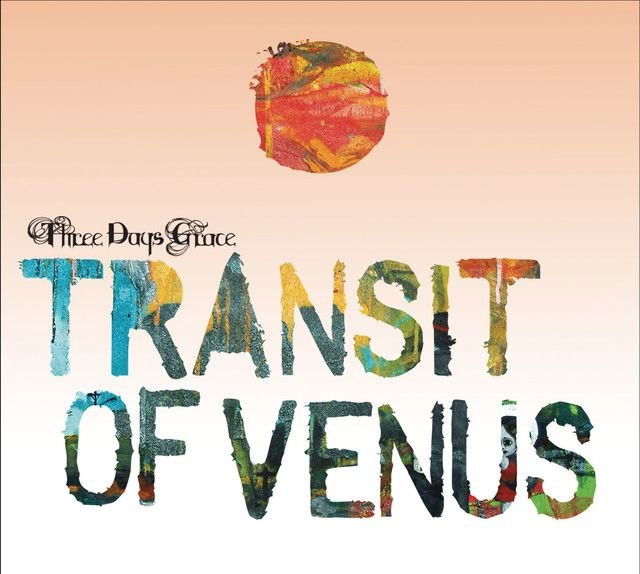
Released on August 14, 2012, as the lead single from Transit of Venus, the song marked a new phase for the band with producer Don Gilmore. According to Loudwire, the group aimed for a tighter and more articulated sound, which matters because the song’s meaning depends as much on impact as on words.
The Central Wound Behind the Chorus
At its core, the song describes someone who has been damaged by people they trusted most. The verses stack injury after injury, making the pain feel repeated rather than sudden. When the chorus lands with chalk outline
, the metaphor turns emotional betrayal into something that feels almost forensic.
That image matters because a chalk outline is not the person. It is only proof that someone was there, and that something terrible happened. Interpretation: the narrator feels reduced to an aftermath, not treated as a full human being anymore.
The next image deepens that idea: rain to wash away
. Instead of healing, this sounds like erasure. They are not just hurt; they fear being forgotten.

Watch the official Chalk Outline
music video
More Than a Breakup Song
Three Days Grace drummer Neil Sanderson said the song is about being pushed aside by people close to you, but also by society more broadly. That wider frame helps explain why the lyrics feel bigger than one failed relationship. The song can be heard as romantic pain, but also as social abandonment.
Who the Song’s Voice Is Aiming At
The narrator speaks in first person, but the article can still describe their position clearly: they are addressing someone who caused deep emotional harm. The repeated accusation gives the song its momentum. A short phrase like scene of the crime
shows how the other person is cast almost like a guilty visitor returning to the damage.
That is important because the song never sounds confused about where the hurt came from. The speaker may be broken, but they are also clear-eyed. Even the bitter line about the dead not speaking suggests a relationship so damaged that conversation is over.
You left me here like a chalk outline
On the sidewalk waiting for the rain
This short passage captures the song’s whole emotional world: abandonment, public exposure, and the threat of disappearance.
The Images That Carry the Meaning
Several symbols work together across the track:
- Crime-scene imagery suggests violation and blame.
- Rain suggests memory fading away.
- Cold and crypt imagery suggests emotional death, not literal death.
- The empty bed points to absence after intimacy.
When the lyric mentions cold in the crypt
, it pushes the song into gothic territory. But the emotion stays relatable. The speaker is saying that silence, distance, and cruel words can feel colder than anything physical.
Then there is the line about reaching across the bed where the body used to lay. Paraphrased, it imagines regret arriving too late. Interpretation: the song is not asking for repair. It predicts that the other person will only understand the loss after it becomes irreversible.
Why the Sound Hits So Hard
The production is a big reason the song connected with rock listeners in the U.S. Loudwire praised Adam Gontier’s vocal attack and noted the heavy, sometimes electronic-sounding guitar work from Barry Stock, while Neil Sanderson’s drumming gives the track punch. Those choices make the song feel mechanical, tense, and bruised all at once.
That fits the theme perfectly. A softer arrangement might have turned the track into pure sadness. Instead, the band mixes grief with force, so the emotion comes through as both wounded and angry.
Brad Walst also recalled, in comments summarized by Wikipedia, that the band and Don Gilmore spent long hours chasing a punchy heavy sound from something other than a standard guitar approach. Readers can hear that experiment in the song’s texture: it feels precise, compressed, and sharp-edged rather than loose or raw. More song facts are collected on the Wikipedia entry.
Why It Connected With So Many Listeners
The song’s success supports its broad emotional reach. It spent 10 weeks at No. 1 on the U.S. Active Rock chart and later earned Platinum certification in the United States. That kind of run usually means listeners heard their own experience in it.
Part of that comes from how the song balances specifics with openness. Words like ones I thought I loved
point to betrayal, but they do not lock the story into one scenario. A listener can hear an ex, family, friends, or even a social system that leaves people behind.
A Lasting Reading of “Chalk Outline”
So, what is the meaning of Chalk Outline Three Days Grace? Most clearly, it is about being left emotionally destroyed by someone who once mattered deeply. On a second level, it is about what happens when people become evidence of harm instead of participants in love, care, or community.
That is why the chorus stays memorable. It does not just say the speaker is hurt. It says they have been reduced to a mark of absence.
In the end, the song’s heavy sound, stark imagery, and direct blame all work together to make abandonment feel visible. Interpretation: its real power comes from turning private pain into a public outline everyone can recognize.
Disclaimer: This interpretation is based on the lyrics, band commentary, and documented release context. Like most songs, “Chalk Outline” can support more than one valid reading.








