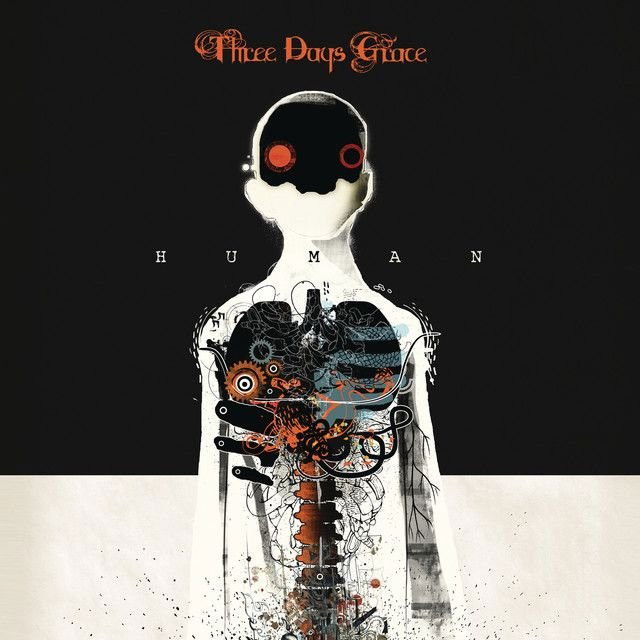
Fallen Angel by Three Days Grace
Why This Song Hurts in a Human Way
The meaning of Fallen Angel Three Days Grace becomes clearer once listeners hear how personal it is. Released in 2015 as a single from Human, the track came from one of the band’s most painful real-life memories. Research on the song’s background says drummer Neil Sanderson based it on his mother’s grief after the deaths of his father and brother when he was very young. The single was released on September 15, 2015, from the album Human, and it was produced by Gavin Brown.
"Fallen Angel" - Three Days Grace
I hear it all, trying to fall asleep
When all the love around you is dying
Loading lyrics...
Unable to load lyrics
We're unable to display the lyrics at this time. Please try again later.
That context matters because the song does not treat pain as drama. It treats pain as something quiet, private, and hard to reach. The central feeling is not only sadness. It is helpless love.

Watch the official Fallen Angel
music video
At the Center: Watching Someone Strong Break
The song opens with a childlike memory of hearing pain at night. The narrator notices hidden crying and cannot sleep through it. That detail frames the whole track: this is not about a distant tragedy, but about hearing suffering close by and not knowing what to do.
The key emotional twist is that the hurting person was once the protector. The lyric describes someone who kept a brave face for others, then fell apart in private. When the song asks how they stayed strong and hid it for so long, it shows a child or loved one realizing too late how much was being carried alone.
In that sense, fallen angel
is not about sin or fantasy. It is a metaphor for a person who seemed almost unbreakable, then suddenly looks wounded and human.
Who They Seem to Be Singing To
On the surface, the narrator sings directly to one suffering person. They hear the pain, ask questions, and offer comfort. The repeated promise I won't let you fall tonight
turns the song into a vow, even if the singer knows they may not be able to fully rescue anyone.
Interpretation: Many listeners hear the song as a child addressing a grieving mother. That reading fits the known backstory well. But the words are broad enough that it can also sound like a partner, sibling, or friend trying to support someone through trauma or depression.
That flexibility helps explain why the song connected with fans. In the lyric video, singer Matt Walst briefly said it was about losing people they love and wishing they could have been the ones to save them. That summary matches the song’s emotional core without limiting it to one exact situation.
How the Verses Build the Theme of Helplessness
A lot of rock songs about pain move fast toward anger. This one does not. It lingers in observation and questions. The narrator hears crying, sees strength masking suffering, and keeps asking how to help.
That is why short phrases such as take the pain away
and you don't have to be alone
matter so much. They do not present a solution. They present desire. The speaker wants to lift the suffering, but the song admits that love often cannot remove grief on command.
One of the strongest moments comes near the end, where the singer remembers being present during the worst of it:
I was right beside you
when you went to hell and back again
This is the article’s clearest emotional turning point. The narrator was there, but being there was not the same as being able to save the person. That gap between presence and power is the heart of the song.
Why the Chorus Feels So Big
The chorus is simple, but its simplicity is the point. A phrase like close your eyes
sounds almost parental, like a whispered effort to calm someone in panic or exhaustion. Then the title image returns and gives the song its shape.
Interpretation: The chorus may be saying that when grief destroys the image of a strong parent or protector, love must reverse roles. The person who once offered safety now needs to receive it.
This is also where the song avoids melodrama. It does not celebrate suffering. It tries to hold someone through it.
The Sound: Heavy, But Not Numb
Musically, "Fallen Angel" sits in the band’s alternative metal and post-grunge style, but it is more restrained than some of their harder singles. The guitars are solid and emotional rather than chaotic. The drums push the song forward, while the clean melodic hook gives the chorus a pleading quality instead of pure aggression.
That balance matters. If the arrangement were too soft, the grief might feel vague. If it were too harsh, the tenderness might disappear. Instead, the production lets the track feel strong enough to carry pain and open enough to show vulnerability.
The vocal approach helps too. Matt Walst does not sound detached. He sounds earnest, like someone trying to stay steady while talking to a person already slipping beyond comfort.
Why Listeners Still Hold Onto It
The song reached rock audiences in the U.S. and was later certified Gold by the RIAA. But charts only explain part of its life. Three Days Grace also created a "Fallen Angel Dedication Wall," which shows how the song became a place for remembrance as much as a radio single.
That response makes sense. The meaning of Fallen Angel Three Days Grace is not hidden behind complex poetry. It is direct: sometimes they love someone deeply, stand beside them faithfully, and still cannot stop the hurt. The song honors that painful truth.
Final Thought
In plain terms, "Fallen Angel" is about seeing a loved one collapse under grief and wanting to save them, even when they know they may not be able to. Its power comes from compassion, not mystery.
Interpretation disclaimer: This reading combines documented background from the band with lyrical interpretation. Listeners may reasonably hear broader meanings tied to loss, depression, family pain, or emotional support.








