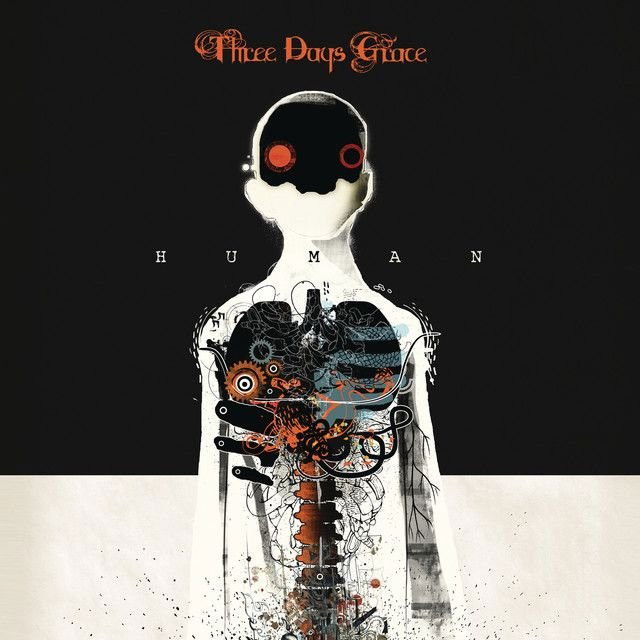
Why 'Human Race' Feels Like Modern Life
The meaning of Human Race Three Days Grace comes down to pressure. The song captures what it feels like when life stops feeling human and starts feeling like a contest nobody remembers entering. Instead of offering a detailed story, Three Days Grace build a mood of stress, alienation, and exhaustion.
"Human Race" - Three Days Grace
Not in this atmosphere
Goodbye, goodbye, goodbye
Loading lyrics...
Unable to load lyrics
We're unable to display the lyrics at this time. Please try again later.
Released on March 23, 2015, as the third single from Human, the song came from a period when the band was leaning into a darker, more electronic rock sound. Factual details about its release, credits, and chart run appear in reference sources including Wikipedia and Songfacts. Those sources also preserve comments from the band about the song’s origin and message.
A Song About Running Without Arrival
At the center of the track is a simple complaint: people keep moving, but they do not seem to know why. The lyric idea behind I don't belong here
is not just social awkwardness. It sounds more like spiritual fatigue, as if the speaker feels out of step with the whole atmosphere around them.
That matters because the song never describes one enemy or one event. It paints daily life itself as the problem. When the chorus lands on the human race
, the phrase works two ways. It means humanity, but it also turns human life into a competitive sprint.
Interpretation: The song suggests that modern culture rewards speed, conflict, and survival more than reflection. That makes the narrator feel cut off, not only from other people, but from their own sense of peace.

Watch the official Human Race
music video
Where the Idea Came From
The band’s own comments strongly support that reading. According to Songfacts, guitarist Barry Stock said the song was about trying to find one’s place and feeling stuck in a rat race. Neil Sanderson similarly described the idea as asking why everybody is rushing and what people are really chasing.
Wikipedia’s summary of band commentary says the spark came while they were on tour, after seeing traffic and urban motion during a drive through Salt Lake City. That origin is useful because it shows the song was not born from one breakup or one dramatic event. It came from looking at ordinary life and finding it deeply unsettling.
The Opening Turns Birth Into Conflict
One of the song’s sharpest moves is how it frames the beginning of life. The line about a kick and a punch
and a claw to the face
turns birth into a violent entrance. In plain terms, the song imagines human existence as a struggle from the very first second.
That image does two things:
- It makes life sound involuntary.
- It suggests competition starts before anyone can choose it.
- It removes the romance from phrases like success or progress.
By the time the singer says they were in the race
, the point is clear: people are thrown into systems of pressure long before they understand them.
Why the Chorus Hits So Hard
The repeated complaint about being sick of running
gives the song its emotional core. This is not the language of ambition. It is the language of burnout.
The repetition matters because it feels like heavy breathing or a mind stuck on one desperate thought. They are not asking for a shortcut. They are asking whether the race itself is worth anything.
If it's an eye for an eye
Then we all go blind
That brief moment widens the song from personal stress to social criticism. It argues that if life becomes pure retaliation and competition, everyone loses. The race does not produce winners so much as damage.
Sound and Production Carry the Message
The music helps explain the meaning of Human Race Three Days Grace just as much as the words do. The track was co-written by Gavin Brown, Neil Sanderson, Barry Stock, Brad Walst, Matt Walst, and Johnny Andrews, and produced by Gavin Brown, according to Wikipedia.
Sonically, this is not just a straight hard-rock anthem. Reports about the track noted its stronger use of synths and electronics, making it moodier than some earlier Three Days Grace singles. That choice is important. The electronic textures give the song a cold, mechanical edge, while the guitars and drums keep it physical and urgent.
Interpretation: That blend mirrors the theme. Human bodies are still pushing forward, but the world around them feels machine-like, fast, and impersonal.
The Video Pushes the Theme Further
The official music video, released in May 2015 and directed by Mark Pellington, extends the song’s ideas into images of disconnection and fragile human identity. As summarized by Wikipedia, the video opens and closes with statements about technology, cleverness, and the loss of feeling.
That context does not change the lyrics, but it sharpens them. The song is not anti-human; it is anti-dehumanization. It is concerned with what happens when people become rushed, numb, and detached from real connection.
The Most Useful Reading
The strongest reading is that “Human Race” is about alienation inside everyday life. It is about pressure without purpose, motion without meaning, and the lonely feeling of realizing the whole system may be broken.
A second reading is more personal: the narrator may be struggling with identity and belonging, not only society. The phrase not in this atmosphere
can sound like emotional suffocation, as if they need escape from a mental environment as much as a physical one.
Both readings work because the song stays broad. That openness is one reason it connected with rock audiences and reached major U.S. rock charts in 2015.
Final Take on the Song's Message
For many listeners, the meaning of Human Race Three Days Grace is painfully recognizable. The song gives a name to the feeling that life has become all pace and no purpose.
Its power comes from how clearly it turns private exhaustion into a wider human question: if everyone is running, where are they going?
Disclaimer: This article offers informed interpretation based on the lyrics, artist commentary, and release context. Song meaning can remain open to individual listener experience.









