Why 'Never Too Late' Still Hits So Hard
The meaning of Never Too Late Three Days Grace comes down to one powerful idea: even at a breaking point, a person is not beyond help. The song speaks to depression, isolation, and suicidal thinking, but it does not stay in darkness. Instead, it offers a hand.
"Never Too Late" - Three Days Grace
What I expected
And if I don't belong
Loading lyrics...
Unable to load lyrics
We're unable to display the lyrics at this time. Please try again later.
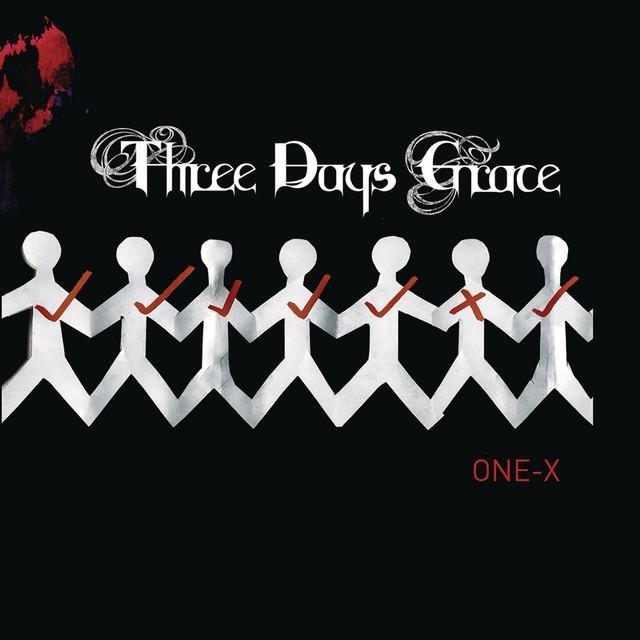
Released as a single from One-X in 2007, the track became one of Three Days Grace's biggest crossover hits. It reached No. 1 on U.S. Mainstream Rock and later earned major multi-platinum success in the United States. That reach matters because it shows how widely its message landed.
A Rock Song Built Around Rescue
At its core, the song sounds like one person trying to talk another person through a crisis. The verses describe disappointment and disconnection, as if the world has failed to match what was hoped for. That emotional mismatch creates the song's tension.
Then the chorus sharpens the stakes. When the narrator hears someone wanting to give up, they respond with the repeated promise it's never too late
. That line is simple, but it carries the whole song. It rejects the idea that pain has already won.
Interpretation: The speaker may be talking to a friend, a partner, or even to a part of themselves. The lyrics support both readings, which is one reason the song feels so personal to different listeners.

Watch the official Never Too Late
music video
Where the Lyrics Point Emotionally
The opening lines set up a world of alienation. Phrases like what I expected
and I don't belong
suggest someone who feels out of step with life itself. This is not just sadness. It is the heavier feeling that nothing fits anymore.
Later, the song raises the stakes directly with end your life
. That blunt phrase is important because the song does not hide from the seriousness of suicidal thoughts. Still, it never treats that moment as final.
Instead, it keeps moving toward survival. The line just stay alive
lowers the goal to the most basic level: make it through today. That is one of the song's smartest emotional moves. It does not promise instant healing. It focuses on the next step.
The world we knew
won't come back
The time we've lost
can't get it back
This brief section matters because it admits that some damage cannot be undone. The song is not saying life returns to normal. It says hope can still exist after loss.
Adam Gontier's Context Changes the Meaning
The song becomes even clearer with artist context. According to widely cited background on the track, Adam Gontier said it was inspired by his own struggles with depression and suicidal thoughts, and he described it as feeling like being at the end of a rope and deciding whether to give up or keep making it through another day. He also called it a favorite from One-X.
That matters because the performance does not sound distant or theoretical. They are not singing about pain from afar. They sound like they know it.
Factually, the song was released on May 7, 2007, as the third single from One-X and was written by Adam Gontier, with production by Howard Benson and Gavin Brown. It later became one of the band's signature songs, with strong chart runs across rock, alternative, and pop radio.
How the Sound Carries the Message
A big part of the song's impact is how its music balances heaviness and lift. The tempo is slow enough to feel reflective, but the arrangement builds pressure in a way that mirrors emotional crisis.
The verses are controlled and tense. Then the chorus opens wider, with bigger guitars and a more urgent vocal push. That contrast matters. It feels like the song is fighting its way upward.
The band also avoids making the track too polished or cheerful. The guitars stay thick, the drums stay grounded, and the vocal delivery keeps its strain. That strain helps sell the message. Hope here is not easy optimism. It is effort.
Why the Song Connected Beyond Rock Radio
Part of the reason this song lasted is that it gave listeners language for a hard subject without sounding preachy. It acknowledges despair, but it does not romanticize it. It offers support.
That balance helped it cross beyond hard rock audiences. It reached the Billboard Hot 100, performed strongly on alternative and pop formats, and has since been certified 6× Platinum in the U.S. Just as important, many fans have described it as a song that helped them feel less alone.
The music video deepened that reaction. Its storyline about trauma and breakdown led some viewers to connect the song not only to depression, but also to abuse, memory, and survival after long-term pain. Interpretation: That visual angle broadens the song's meaning, but the core message stays the same: someone can still be reached.
The Lasting Meaning of "Never Too Late"
The meaning of Never Too Late Three Days Grace is not that pain disappears. It is that a person can be in terrible pain and still have a future. The song accepts loss, confusion, and emotional exhaustion. Then it answers them with persistence.
That is why the title line still lands. It is not a cliché in this song. It is a lifeline.
Disclaimer: This interpretation is based on the lyrics, the song's release context, and public comments from the band. As with any song, listeners may connect with it in different ways.