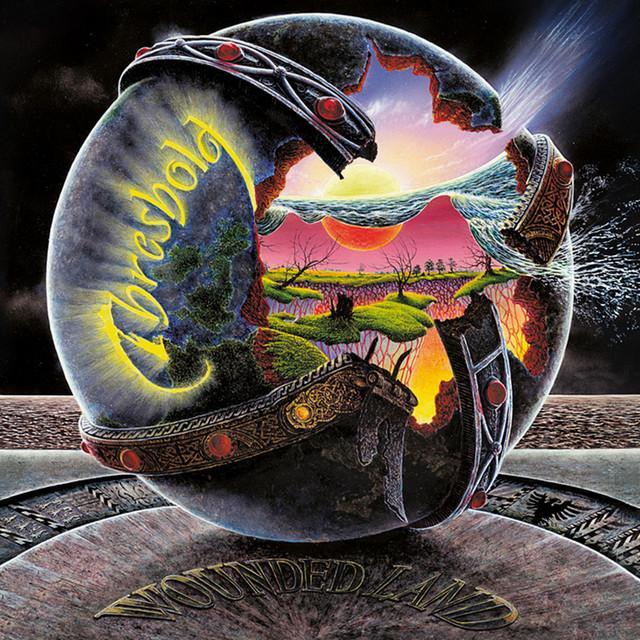
Intervention by Threshold
Threshold’s “Intervention” is a political song with a human center. The meaning of Intervention Threshold lies in the gap between distant debate and immediate suffering. It starts with comfort, detachment, and radio talk, then shifts into a direct encounter with war’s damage.
"Intervention" - Threshold
Paid for by my grandfather the original gunners dream
I was taking life for granted though I was born to die
Loading lyrics...
Unable to load lyrics
We're unable to display the lyrics at this time. Please try again later.
Rather than offering an easy slogan, the song asks a hard question: when violence is happening, what should outsiders do? That tension gives the track its force.
From English Calm to Balkan Horror
The opening places the narrator in a quiet rural setting, driving through the English fens. That peaceful image matters because it contrasts sharply with the conflict being discussed on the radio. The speaker is safe, privileged, and aware of it.
When the lyric mentions being far from Sarajevo
, it frames war at first as something remote. News from the former Yugoslavia can seem like background noise, especially to someone physically removed from it. The song uses that distance to show how easily people can treat real suffering as policy chatter.
This is where the meaning of Intervention Threshold becomes clearer. The song is not just about a war zone; it is about the psychology of watching one from afar.
Watch the official Intervention
music video
The Core Question at the Song’s Heart
The middle of the lyric asks whether intervention actually helps or simply repeats old patterns of domination. Phrases like must we always kill for freedom
challenge the logic of using violence to end violence.
At the same time, the song does not celebrate inaction. It is deeply skeptical of political excuses, especially when governments hesitate while civilians suffer. That makes the track morally uneasy in a productive way.
Interpretation: Threshold seem less interested in giving a yes-or-no answer than in exposing the cost of both choices. Intervene, and powerful nations may impose themselves. Refuse, and they may abandon people to massacre.
When the Debate Turns Personal
The emotional turning point comes with the image of a wounded child in surgery. Until then, the song deals in geopolitics, headlines, and national arguments. Suddenly, it focuses on one body, one operating table, one unbearable moment.
The brief line her cries went right through me
changes the scale of the song. War is no longer abstract. It becomes physical, intimate, and impossible to ignore.
That little child on the operating table
I had to stop to wipe the tears
This short scene is the song’s moral center. It suggests that theory collapses when confronted with direct human pain. The narrator’s tears are not presented as heroic. They show delayed recognition: this was always real, but now it can no longer be kept at a distance.
The Chorus as Warning, Not Relief
The repeated plea Don’t let it breed on
works like a warning siren. It is not a triumphant chorus. It sounds like fear that violence, repression, and revenge will keep reproducing themselves.
That idea connects to the earlier argument about intervention. War is shown as a cycle, not a single event. Repression breeds resistance; violence breeds retaliation; outside force can breed new resentment. The chorus compresses that chain into one urgent line.
Images of Indifference and Selective Compassion
Later, the lyric argues that the world looks away because the victims have no strategic value. The sharp phrase no natural resources
suggests that humanitarian concern is often selective.
That is one of the song’s bleakest ideas. It implies that powerful countries may act quickly when interests are at stake, but hesitate when only human lives are on the line. The mention of ethnic cleansing
pushes this critique into unmistakably historical territory, pointing to atrocities during the Bosnian War and the breakup of Yugoslavia, documented by sources such as the United Nations International Criminal Tribunal for the former Yugoslavia and the U.S. Holocaust Memorial Museum.
How Threshold’s Metal Sound Supports the Message
Threshold are known as a progressive metal band, and that matters here. Progressive metal often balances heaviness with thoughtful structure, which suits a song built on moral argument. The writing credits given here—Jon Jeary, Karl Groom, and Nick Midson—fit that band approach, where arrangement and atmosphere carry as much weight as the words.
The music likely reinforces the tension through steady drive, dark guitar color, and a serious vocal tone rather than chaos for its own sake. In songs like this, metal’s weight can make political themes feel embodied. Instead of sounding like an editorial, the track feels like pressure building in real time.
Interpretation: The genre choice is important. A softer arrangement might have turned the song into reflection alone. The metal setting lets it sound angry, helpless, and urgent at once.
Final Reading: A Song About Responsibility
In the end, the meaning of Intervention Threshold is not simply anti-war or pro-intervention. It is about responsibility in a broken world. The song sees the danger of armed moralizing, but it also condemns detached spectatorship.
Its most lasting point may be this: people can debate policy forever, but suffering keeps happening while they do. Threshold turn that dilemma into a song that is political, emotional, and still disturbingly current.
Disclaimer: This interpretation is based on the lyrics provided and historical context. As with any song, meaning can remain open to different listener readings.








