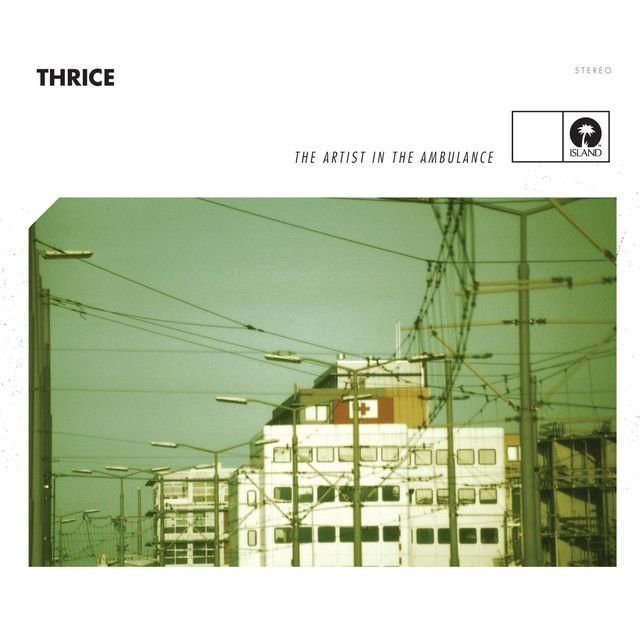
Silhouette by Thrice: Desire, Exposure, and Ruin
The meaning of Silhouette Thrice centers on what happens when desire becomes a kind of destruction. The song does not describe love as safe or healing. Instead, it presents attraction as something that strips away defenses, leaving the speaker shaken, exposed, and unsure of what is real.
"Silhouette" - Thrice
Your eyes seamless and sure
The leave me broken and in need of a cure
Loading lyrics...
Unable to load lyrics
We're unable to display the lyrics at this time. Please try again later.
Thrice built their reputation on intense post-hardcore and alternative rock, with Dustin Kensrue as lead vocalist and principal lyric voice in many songs. According to the band’s official history and credits at Thrice and AllMusic, they often mix emotional urgency with spiritual and philosophical questions. That larger context matters here, because “Silhouette” sounds personal, but it also reaches toward identity, truth, and self-deception.
What the Song Seems to Mean
At the most basic level, the song portrays someone overwhelmed by another person’s gaze. The repeated image of eyes suggests more than attraction. Those eyes do not simply admire; they examine, penetrate, and unsettle. When the song says your eyes followed me
, it creates a feeling of being tracked and studied.
Interpretation: this is likely about intimacy that feels dangerous because it exposes hidden weaknesses. The speaker is not just lovestruck. They are being broken open. That is why the language keeps moving from fascination to injury, from beauty to harm.
The title sharpens that idea. A silhouette is only an outline, not the whole truth. So when the song ends on Silhouette lies
, it suggests that appearances are misleading. The self the speaker thought they knew may only have been a shadow shape.
Watch the official Silhouette
music video
Eyes, Exposure, and the Loss of Control
The strongest symbol in the track is the eye imagery. Again and again, the lyrics return to seeing, being seen, and being judged. The phrase sifting my soul
makes that pressure feel inward, almost surgical. This is not surface attraction. It is examination at the deepest level.
That helps explain the bodily imagery. The speaker feels broken and bruised and bleeding
, not because the song gives a literal story of assault, but because emotional exposure is described as a physical wound. Thrice use that kind of language often: inner crisis becomes flesh-and-blood drama.
There is also a loss of agency in these lines. The other person’s eyes seem to act on the speaker, while the speaker mostly reacts. They are breathless, tested, and overtaken. That imbalance gives the song its unsettling power.
The Chorus Turns Desire Into a Crisis
The hook is where the song becomes bigger than obsession. The line about a throat being cut is shocking, but its purpose seems symbolic. It marks the destruction of certainty, especially the certainty the speaker once had about identity and life.
all I know
about myself and this life
That brief moment shows the real stake of the song. This is not only about another person being irresistible. It is about contact with them destroying an old worldview.
Interpretation: the chorus may describe a revelation. The speaker realizes that the life they have been living is false, or at least incomplete. In that reading, the violence stands for ego death. Something false has to end before truth can appear.
Strange Images, Clear Themes
One reason “Silhouette” stands out is its unusual imagery. White lines, fault lines, flame, hydrogen, and radon all create a world of chemistry, geology, and unstable energy. These are not random decorations. They make emotion feel volatile and dangerous.
A few themes emerge from that imagery:
- Perception: eyes, seeing, and being seen
- Instability: fault lines, dawn, exposure
- False surfaces: silhouettes, storybook language, lies
- Transformation through damage: breathlessness, bruising, rupture
The phrase speaking in tongues
deepens the ambiguity. It can suggest mystery, spiritual intensity, or communication that goes beyond normal language. That keeps the song balanced between romantic obsession and something almost religious or apocalyptic.
How the Sound Supports the Meaning
The meaning of Silhouette Thrice is not carried by lyrics alone. Thrice’s alternative and post-hardcore style is built on tension: sharp guitars, urgent rhythm, and vocals that can sound both controlled and frayed. That sonic push-pull fits a song about desire and collapse.
Even without over-explaining specific studio details, listeners can hear how the music likely supports the text. The repeated phrases feel incantatory. The heavier passages underline panic and impact. Meanwhile, the melodic elements keep the song from becoming pure chaos, which mirrors the way the speaker is still drawn toward what is hurting them.
That balance matters. If the song were only aggressive, it would feel simple. Instead, it feels seductive and threatening at once.
Two Strong Readings of the Song
A toxic attraction
One reading is that the song describes a relationship that is magnetic but damaging. The eyes, breathlessness, and bodily harm all fit that view. In this version, desire makes the speaker abandon self-protection.
A spiritual awakening
Another reading goes deeper. Because the song says life itself may be a lie, the other person could represent truth, revelation, or even judgment. In that version, the pain comes from being forced to face reality.
Both readings can work at the same time. Thrice often leave room for emotional and philosophical meaning to overlap.
Why “Silhouette” Still Lingers
What makes the song memorable is its refusal to separate beauty from danger. It captures the feeling of being changed by someone else’s presence, then pushes that feeling into bigger questions about truth and identity. That is why the meaning of Silhouette Thrice feels larger than a breakup or crush. It is about what happens when a person can no longer hide inside the outline they once called a self.
Disclaimer: This interpretation is based on the lyrics, Thrice’s broader style, and commonly discussed themes. As with most poetic songs, different listeners may hear it differently.







