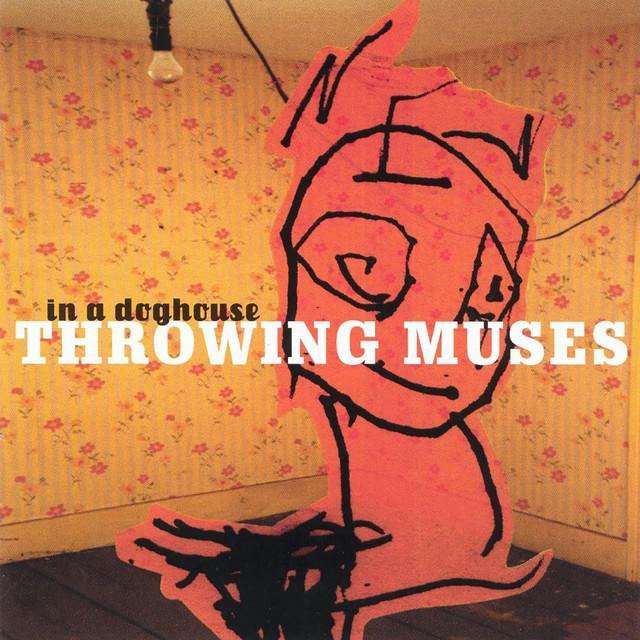
Why Throwing Muses Turn Self-Loathing Inside Out
The meaning of Hate My Way Throwing Muses starts with a sharp twist. The song lists many possible targets for anger—society, religion, family, history, school, even death—then rejects all of them in favor of a brutal confession: I hate my way
. That line makes the song feel less like a protest anthem and more like a portrait of a mind turning on itself.
"Hate My Way" - Throwing Muses
And hate society
I could hate God
Loading lyrics...
Unable to load lyrics
We're unable to display the lyrics at this time. Please try again later.
Written by Kristin Hersh and recorded by Throwing Muses, the song fits the band’s early alternative style: tense, jagged, and emotionally exposed. On the group’s debut album, Hersh often wrote in fragments that feel personal but not fully explained. That approach matters here, because the song’s meaning comes from pressure, image, and voice as much as from any single storyline.
A Song About Direction, Not Just Hate
At first, the verses sound like a catalog of identities and grievances. The speaker imagines different reasons a person might become bitter, from private pain to public horror. But instead of settling on one cause, the song keeps shifting. That instability suggests a deeper problem: they do not only hate the world; they hate the pattern of their own thinking and living.
Interpretation: the key word is not just “hate.” It is “way.” The song points toward a hatred of one’s path, habits, reflexes, or inner wiring. In other words, this is not simply “I hate myself” in a flat sense. It is closer to hating the route their mind keeps taking.
That is why the opening feels so unsettling. Each possible life scenario sounds extreme, but the refrain cuts through all of them. It says the real crisis is internal.
Watch the official Hate My Way
music video
The Images Feel Random Until They Don’t
One of the most striking parts of the song is how quickly it jumps between images. A line about turning someone into music sits beside church, jungle vines, heat, and household objects that seem to cry out. Later, the song moves to violence, injury, children, and paralysis.
On paper, that can look disconnected. In practice, the images build a feeling of sensory overload. When the speaker says My pillow screams too
, followed by the kitchen, water, shoes, and road, ordinary objects seem alive and unbearable. The world is no longer neutral. Everything becomes loud, charged, and intrusive.
Interpretation: this may reflect anxiety, depression, or dissociation, but the song never names a diagnosis. It leaves listeners inside the experience instead of explaining it.
The Violent Thoughts Are About Mental Crisis
The song’s darkest moments are direct about self-harm and public violence. Phrases like I have a gun in my head
and the later question about children being killed push the song into terrifying territory. These are not casual shocks. They show a mind trying to process both personal despair and the cruelty of the outside world.
When the lyric mentions Mr. Huberty, it likely points to James Huberty, the gunman in the 1984 San Ysidro McDonald’s massacre. That reference places the song in a real historical atmosphere of horror and media saturation. It also explains why private pain and public violence blur together in the track.
How the Chorus Reframes Everything
The title line returns like a verdict. After the song surveys social hatred, bodily discomfort, and tragic images, I hate
becomes incomplete on its own. The fuller line gives it shape. The emotion is not floating outward forever; it circles back inward.
This is what gives the song its power. Many angry songs promise release. This one does not. The refrain sounds trapped, as if the speaker recognizes the problem but cannot break it.
How do they kill children?And why do I wanna die?
This brief moment ties the personal and the collective together. The first question looks outward at human cruelty. The second turns inward at the speaker’s own despair. Put together, they suggest that the same damaged world exists both outside and inside the self.
Sound as Meaning: Why It Feels So Claustrophobic
Throwing Muses were known for tense arrangements, unusual rhythms, and Hersh’s urgent vocal delivery. On this track, the music does not smooth out the lyrics. It presses on them. The band’s early work, described by 4AD, often thrives on nervous motion rather than clean release, and that suits this song perfectly.
The guitars feel wiry and restless. The rhythm section sounds more like a shove than a groove. Hersh’s voice can seem half-spoken, half-yelped, which adds to the sense that thoughts are arriving faster than they can be organized.
Interpretation: that sonic pressure mirrors the lyric’s mental state. The song feels trapped in heat, motion, and static. Even when the words say it’s all right
, the sound does not believe them.
Two Strong Ways to Read the Song
The most direct reading is that it captures a mental spiral. In this view, the song documents intrusive thoughts, self-disgust, and the inability to sit still with fear. The final movement toward children, death, and stillness supports that reading strongly.
A second reading is that the song attacks the self as a product of culture. The references to church, school, media, and mass violence suggest a person shaped by broken systems. In that view, “my way” is not only private behavior. It is a learned way of moving through a cruel world.
Both readings can be true at once. That double force is part of why the song still hits so hard.
Why the Song Still Matters
The meaning of Hate My Way Throwing Muses remains powerful because it refuses easy blame. Instead of choosing one villain, the song shows how hatred spreads through memory, institutions, news, body, and thought. It is a song about being unable to separate inner pain from outer violence.
That honesty is what makes it memorable. Throwing Muses do not offer comfort here. They offer recognition.
Disclaimer: This interpretation is based on the released lyrics, historical references, and documented artist context. As with most Kristin Hersh writing, some ambiguity is intentional, so other readings are possible.







