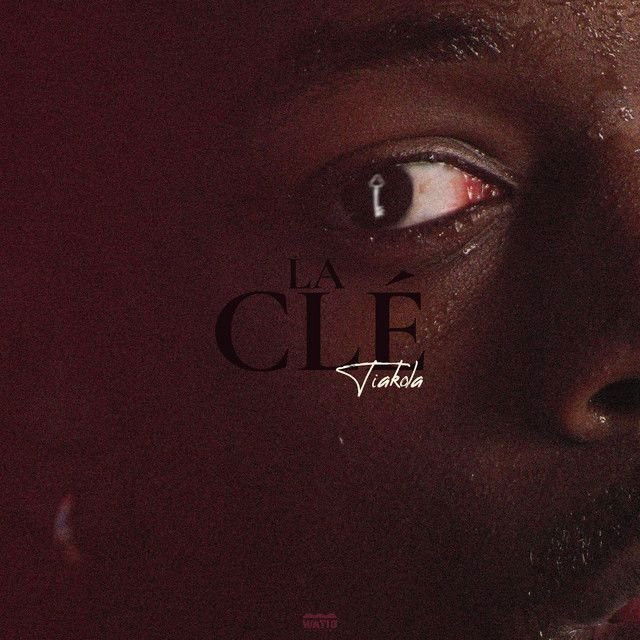
Why 'La clé' by Tiakola Feels Like a Warning
The meaning of La clé Tiakola becomes clearer once they hear how the song balances pride with fear. On the surface, it sounds like a street record about loyalty, silence, and pressure. Under that, it feels more personal: a story about becoming responsible before they are fully ready.
"La clé" - Tiakola
Après, j'ai des moments d'doute toujours, hein
J'connais ma musique
Loading lyrics...
Unable to load lyrics
We're unable to display the lyrics at this time. Please try again later.
Tiakola, born William Mundala, first broke through with 4Keus before building a major solo career in French rap and melodic R&B. According to publicly available career summaries, "La Clé" appears on his 2022 album Mélo, a No. 1 album in France, and the track itself later earned Platinum certification in France. Those facts help explain why the song still stands out in his catalog: it carries both commercial reach and emotional weight.
A Key That Opens More Than a Door
At the center of the song is the image of the key itself. When the narrator says they gave someone les clés de la maison
, the line works on two levels. Literally, it suggests trust and access. Symbolically, it means passing along duty, risk, and the rules of survival.
That is why the song keeps returning to the house. The house is not just a building. Interpretation: it can also stand for family, the neighborhood, the crew, or the whole life the narrator feels forced to protect. When they say they are responsable de la maison
, the track turns from boast to burden.

Watch the official La clé
music video
Fear, Then Acceptance
One of the strongest ideas in the song is that the feared moment has already arrived. Early on, the narrator admits they dreaded this point, but now there is no turning back. That shift matters because it tells listeners the song is not about fantasy. It is about living inside consequences.
The repeated warning that they peux plus reculer
shows a trapped mindset. The narrator sounds like someone who has crossed a line, whether emotional, legal, or social, and now has to keep moving. That is a big part of the meaning of La clé Tiakola: maturity here does not feel freeing. It feels heavy.
Street Rules and Digital Danger
The song is direct about police pressure and the codes of silence that come with illegal activity. When the narrator says the only thing to do is nier
, the line reflects a survival rule, not a moral ideal. The same goes for the order not to show things on social media.
That detail updates the song’s world. This is not just older street logic about secrecy; it is also about the modern habit of turning danger into content. By warning, Montre pas c'que tu fais
, the narrator exposes a new kind of vulnerability. In this world, the phone can be as risky as the street.
The Chorus Sounds Like a Loop of Pressure
The hook is powerful because it circles the same thoughts again and again: fear, arrival, no retreat, denial, responsibility. Instead of moving the plot forward, it traps the listener inside the narrator’s state of mind.
Si jamais t'as l'occas'
Éloigne-toi de tout ça
This is the song’s clearest warning. After all the tough talk, they finally say what they really believe: if someone gets a chance to leave, they should take it. That moment changes the whole song. It suggests the narrator may be speaking from experience and regret, not just authority.
“I Was Right” Is Not a Victory Lap
Late in the track, the repetition of j'avais raison
could sound triumphant at first. But in context, it is more complicated. The narrator seems to be proving that their instincts were correct about danger, pressure, and who would have to hold things together.
Interpretation: this is less a celebration than a sad confirmation. Being right does not make them happy; it only proves they understood how hard this life would become. That makes the repeated line feel defensive, almost like self-comfort.
How Tiakola’s Sound Supports the Message
Tiakola is known for mixing rap with melody, a style often noted in profiles of his work. That blend matters here. The production feels steady and moody rather than explosive, which lets the emotional tension stay in the foreground.
Their voice does a lot of the work. They do not need to shout to sound stressed. The melodic phrasing makes the warnings feel intimate, as if they are talking to a friend, a younger version of themselves, or someone already caught in the same cycle. That contrast between soft delivery and hard content is one reason the song hits.
Why the Song Connects Beyond Its Setting
Even for listeners far from the world described, the message lands. Many people know what it feels like to carry family pressure, make choices too early, or realize that being strong comes with isolation. The song uses street language, but its emotional core is broader: they are trying to survive while protecting others.
That is why the meaning of La clé Tiakola is not just about crime or caution. It is also about inherited weight. The key symbolizes adulthood arriving fast, trust becoming obligation, and the painful knowledge that escape is possible only if someone takes it early enough.
Final Read on the Song
In the end, “La Clé” feels like a confession disguised as instruction. The narrator talks tough, but the deepest message is a warning to step away before the pressure hardens into fate.
This reading is an interpretation based on the lyrics, Tiakola’s artistic style, and the song’s themes; listeners may reasonably hear different shades of meaning in it.







