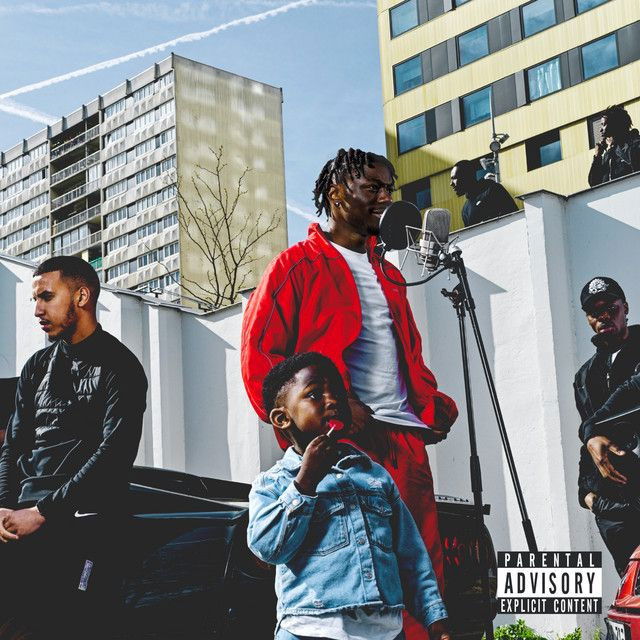
Why “Roro” Turns Pain Into Hunger
The meaning of Roro Tiakola, SDM starts with a simple idea: money is not just money here. It is protection, revenge, proof, and a response to betrayal. In "Roro," Tiakola and SDM frame success as something chased after disappointment, silence, and street pressure.
"Roro" - Tiakola ft. SDM
Ça m'demande plus comment ça va
Devant l'OPJ faut nier les faits
Loading lyrics...
Unable to load lyrics
We're unable to display the lyrics at this time. Please try again later.
They do not describe wealth as glamorous freedom alone. They describe it as the result of being let down, watched closely, and forced to depend on themselves.
The Song’s Core Message
At its heart, "Roro" is about what happens when trust breaks down. Early lines describe people asking how success happened, but no longer asking how they are doing. That shift matters. It suggests that once money appears, genuine care disappears.
From there, the song builds a worldview shaped by suspicion. Friends dodge them when needed. Others talk without knowing the facts. Envy grows once visible success arrives. When they mention "tout faire tout seul"
, the point is bigger than independence. It shows a life where self-reliance became necessary, not romantic.
Interpretation: The track suggests that emotional pain has been redirected into ambition. Instead of healing, they move faster toward power and income.
Loyalty, Paranoia, and the Street Lens
A major theme in the meaning of Roro Tiakola, SDM is loyalty under pressure. The lyrics keep returning to who stayed, who lied, and who now wants a share of the rewards. That is why lines about "their cut" and keeping close to "their own" feel central.
The song also carries a legal and street-aware mindset. References to denying facts in front of police and staying close to trusted people create a world where every move has risk. Even when the verses mention romance or luxury, the mood never becomes soft for long.
Instead, desire sits next to danger. A woman wants champagne, hotels, and restaurants, but gossip spreads through the neighborhood. Another figure seems attractive but possibly harmful. These details make relationships feel transactional or unstable.
A Hook Built on Bitterness
The chorus is the emotional key. They say that when someone wanted to know what was in their heart, they shared hate. Then, after hearing life is short, they went after "du rororo"
.
la vie est courte
j'ai voulu du rororo
Paraphrased, the idea is blunt: if life can end quickly, then money becomes the immediate goal. Not because it solves everything, but because it feels like the only solid return on suffering.
What “Roro” Symbolizes
"Roro" most likely works as slang for cash. But in the song, it means more than spending power. It stands in for:
- safety in a hostile environment
- status people cannot ignore
- a reward for years of labor
- emotional armor after betrayal
That is why the repeated jealousy imagery matters too. When they rap about people hating what is "sur le poignet"
, the watch is not just fashion. It is visible evidence that they made it through hard years.
The Story Inside the Verses
The track unfolds in a loose but clear sequence.
First, they establish disappointment: people talk, vanish, or lie. Next comes survival mode, where work and hustle replace trust. After that, success appears in material signs like designer clothes, cash, and jewelry. Finally, the song reveals the emotional cost. Even after the rise, they still carry resentment.
That is why one of the song’s strongest lines is "j't'ai partagé ma haine"
. It cuts through the bravado. Beneath the flexes, the heart of the song is not joy. It is damage.
Interpretation: They are not celebrating greed in a simple way. They are showing how greed can grow out of scarcity, humiliation, and abandonment.
How the Sound Supports the Meaning
Tiakola and SDM work well together because their styles create contrast. Tiakola often brings a smoother, more melodic touch across his catalog, while SDM is known for a firmer rap delivery. That split helps "Roro" feel both wounded and hard-edged.
Even without overcomplicated production details, the song’s likely trap structure matters: a steady beat, dark atmosphere, and repetitive hook make the obsession feel circular. The repetition of work, jealousy, and money mirrors a mind stuck between trauma and ambition.
When they return to "j'ai charbonné pendant des années"
, the phrase becomes more than biography. It sounds like self-justification. They earned what they have, so no one else gets to question it.
A Wider Artist Context
Tiakola rose from collective work into a strong solo profile, and SDM built a reputation in French rap through direct, street-shaped writing. That context helps explain why "Roro" lands with force: both artists are comfortable mixing melody, toughness, and everyday realism. The songwriting credits provided here list William Mundala and Beni Mosabu, which supports the personal voice running through the track.
For U.S. listeners, the exact slang may be unfamiliar, but the emotional logic is easy to recognize. Many rap songs translate pain into hunger. "Roro" does that in a particularly sharp way because it never pretends that success erased the wound.
Final Take on “Roro”
The meaning of Roro Tiakola, SDM is about turning bitterness into motion. The song presents money as a response to betrayal, not just a prize. It is a street survival anthem, but also a confession of how success can grow from anger.
In the end, that is what makes the track stick. Beneath the flexes and warnings, they sound like people who learned that if love, trust, and peace are unstable, cash feels like the only thing worth chasing.
Disclaimer: This interpretation is based on the lyrics provided and general artistic context. As with any song, meaning can remain partly personal and open to multiple readings.








