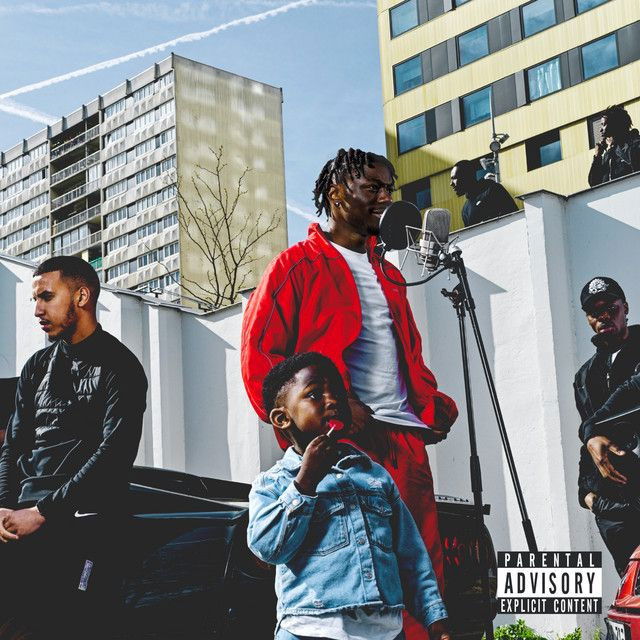
Soza by Tiakola
Tiakola’s song sounds smooth and airy, but its core is much heavier: it turns success into a story about pressure, memory, and the need to protect one’s inner life.
"Soza" - Tiakola
Provided by LyricFindNyadji, Nyadjiko, ah ouais
Nyadjiko, ah ouais, ouais, ouais, ouais
(Laisse-nous briller alors)Loading...Loading lyrics...
Unable to load lyrics
We're unable to display the lyrics at this time. Please try again later.
Why the meaning of Soza Tiakola hits hard
The meaning of Soza Tiakola starts with contrast. The song places comfort next to danger, luxury next to street memory, and public shine next to private pain. Tiakola presents a narrator who has reached a safer place, yet still carries the weight of where they came from.
That tension appears right away in images of distance and elevation. When the song mentions La vue sur Panama
, it suggests escape, travel, or a wider horizon. But that image is quickly grounded by Grandi sur le macadam
, which points back to a rough urban upbringing. In simple terms, the song says: they may be looking out from somewhere higher now, but they were shaped by the pavement.

Watch the official Soza
music video
A hook about memory, not revenge
The chorus is catchy, but its emotional point is restraint. Tiakola repeats Toi t'as parlé sur oim
and then answers with J'ai tout gardé sur oim
. Paraphrased, the idea is that people talked, judged, or spread words about them, and they chose to carry that quietly instead of exploding.
That makes the hook less about revenge than self-control. The narrator remembers disrespect, but they do not turn the song into a direct attack. Instead, they show how criticism gets absorbed and stored. That detail matters because it gives the track a bruised, inward quality.
Interpretation: “Soza” may be about emotional armor. The repeated names in the chorus feel intimate and musical, but the real action is internal: hearing outside noise and refusing to let it break them.
From survival to status without losing the plot
One of the strongest parts of the song is how it handles success. Tiakola brings in status symbols, including J'suis LV pour le sac à main
. On the surface, that is a luxury flex. But within the song, it works more like proof of arrival after struggle.
The verses make clear that this rise was not easy. The narrator describes living through conflict, taking risks, and wondering what those choices cost. They even question whether people “deserve” what they have gained. That self-questioning keeps the song from becoming a simple victory lap.
There is also a moral line in the verse: values and principles come before money. That statement is important because it reframes the luxury imagery. The song is not only saying, “Look what they own.” It is saying, “Look what they survived, and what they still do not want to sacrifice.”
The line that unlocks the whole song
The clearest key to the track may be this short plea:
Laisse-nous briller alors
Laisse-nous briller dans l'noir
In context, Tiakola seems to ask for room to exist, grow, and be seen, even in difficult conditions. The darkness here can suggest many things: social pressure, a hostile environment, grief, temptation, or public misunderstanding.
Interpretation: this is the song’s deepest message. They do not want to be defined only by dirt, danger, or gossip. They want the right to shine without pretending the darkness never existed.
Family, loyalty, and the fear of being alone
Another strong thread is the address to “mama.” When the narrator says Allô, mama, s'te plaît
, the song briefly becomes more vulnerable. That line introduces a need for grounding and perhaps blessing. Even with success around them, they still reach toward family and origin.
The song also stresses brotherhood and loyalty under pressure. One verse notes how a brother steps up when things get intense. That image supports the larger theme: survival is collective before it becomes individual. People do not get through hardship alone, even if success can later feel isolating.
That fear appears directly near the end of the verse, where the narrator admits that sooner or later, people may end up alone. This thought shadows the whole track. Wealth can protect, but it cannot fully remove loneliness.
How the production supports the lyrics
Tiakola is known for blending rap instincts with melodic phrasing, a style often noted in coverage of their rise from 4Keus to solo success, including profiles by Numéro and Konbini. In “Soza,” that balance matters to the meaning.
The beat feels fluid and polished, which matches the song’s images of elevation and luxury. But Tiakola’s delivery keeps a trace of tension inside that smoothness. Instead of sounding fully relaxed, they sound like someone trying to stay composed.
That matters because the production does not erase the lyrics’ seriousness. It wraps pain in elegance. In effect, the music lets the listener feel both sides at once: beauty on the surface, pressure underneath.
A few symbols worth noticing
Several recurring images shape the song’s message:
- View/height: suggests distance from the old life, but not total separation.
- Pavement: points to hardship, street reality, and formative struggle.
- Luxury brands: mark achievement and visibility.
- Darkness: suggests the environment they came from, and the emotional fog they still carry.
- Mama/family: represents origin, moral center, and emotional refuge.
Taken together, these symbols show why the meaning of Soza Tiakola feels layered. It is not just about “making it.” It is about trying to keep dignity while carrying scars.
The real takeaway behind “Soza”
At its heart, “Soza” is a song about guarded triumph. Tiakola frames success as real, but never simple. The narrator has moved forward, yet they still live with memory, suspicion, loyalty, and a desire to shine without being reduced to their past.
That is why the song lingers. It turns a melodic hook into a statement about survival: they can rise, remember, and remain careful at the same time.
Disclaimer: This interpretation is based on the song’s lyrics, performance, and available artist context. As with any song, some meanings remain open to listener interpretation.








