Why Tic Tac Toe Made Stupidity Sound Like Freedom
The meaning of Ich wär so gern so blöd wie du Tic Tac Toe becomes clear almost as soon as the chorus lands: this is not praise. It is sarcasm sharpened into a pop-rap hook. The speaker claims they would love the peace that comes with being less thoughtful, but the line is really a bitter joke about a person who drifts through life on image, denial, and male attention.
"Ich wär so gern so blöd wie du" - Tic Tac Toe
Denn du gehörst zu einer ausgesprochen interessanten Rasse
Du stöckelst durch dein Leben, wackelst kräftig mit dem Popo
Loading lyrics...
Unable to load lyrics
We're unable to display the lyrics at this time. Please try again later.
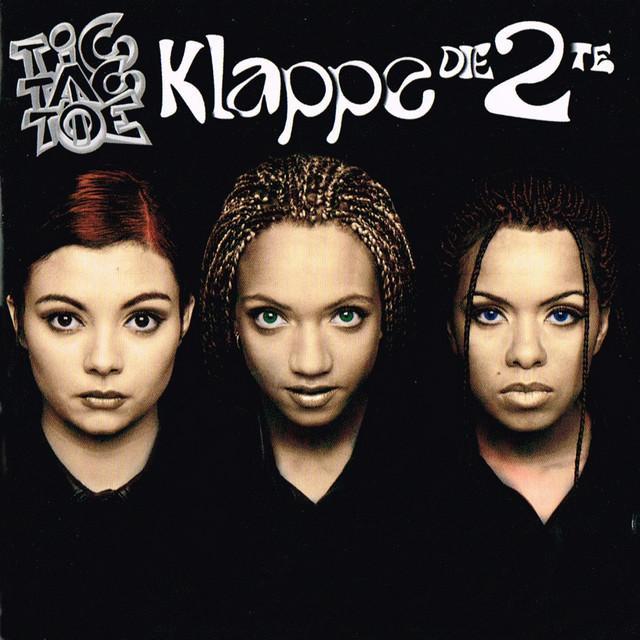
Tic Tac Toe built their reputation in the 1990s as a German girl group that mixed rap, pop, and confrontation, becoming one of the era’s most visible acts in German-language pop culture. Public overviews of the group’s career and members appear in reference sources such as Wikipedia. The songwriting credits provided here list Thorsten Boerger, Liane Wiegelmann, and Claudia Alexandra Wohlfromm as the writers.
The Song’s Target Is More Than One Person
On the surface, the lyrics speak directly to a woman presented as flashy, shallow, and proud of being desired. The verses describe someone moving through life as if attention is enough. Short phrases like superklasse
and sexy-hexy
sketch a cartoon of someone who confuses approval with value.
But the song’s real target is bigger than one character. It attacks a whole attitude: the idea that life is easier if a person does not think too hard, ignores warning signs, and lets others set the terms. That is why the repeated wish Ich wär so gern
feels so cutting. They do not truly want that life; they resent that such behavior can look rewarded.

Watch the official Ich wär so gern so blöd wie du
music video
A Chorus Built on Irony
The chorus is the key to the song’s meaning. When the speaker says Dann hätt' ich endlich meine Ruh
, they suggest that ignorance offers relief. Thinking is tiring. Self-awareness is painful. If someone avoids both, maybe they sleep better.
That is the song’s central irony. The speaker sounds jealous, but the jealousy is poisoned. They are not admiring the other woman’s freedom. They are exposing a world where not noticing danger, disrespect, or manipulation can look like happiness from the outside.
Interpretation: This turns the chorus into social criticism. The song is less about one “dumb” person than about a culture that can make thoughtlessness seem attractive.
The Verses Attack Performance and Denial
The verses are blunt, even cruel, in how they describe femininity performed for an audience. The character is shown using sexuality as social currency, while men around her are portrayed as temporary and untrustworthy. A phrase like für eine Nacht
underlines how brief and hollow that attention is.
The speaker also keeps returning to laughter. When the other person does not understand something, it is simply laughed away. That detail matters because it links emptiness with avoidance. Instead of reflection, there is performance. Instead of learning, there is a shrug.
Was ich nicht weiß
macht mich nicht heiß
This brief lyric idea sums up the song’s worldview. Not knowing becomes a strategy. Ignorance is not accidental here; it is worn like armor.
Gender Satire With a Mean Edge
Part of what makes the track memorable is how unstable its tone is. It is funny, catchy, and almost playful, but it is also vicious. Tic Tac Toe often worked in that lane, using direct language and schoolyard insults to make social points through pop hooks. Their broader discography and cultural footprint are documented in music and reference listings such as Discogs and AllMusic.
For U.S. listeners, the sharpness can feel surprising. This is not a soft empowerment anthem. It sounds more like satire from inside a hostile social scene, where women are judged by beauty, availability, and image, then mocked for playing along.
Interpretation: That tension may be the point. The song criticizes a woman who seems trapped in male approval, but it also exposes the ugly system that makes that trap possible.
How the Sound Sells the Message
Production-wise, the song uses a simple, catchy framework that helps the sarcasm hit fast. The beat is danceable, the chorus is repetitive, and the vocal delivery leans into exaggerated mockery. That contrast matters: the music invites a sing-along while the words bite.
The laughter sections are especially important. They are not just comic decoration. They act like a weapon, turning ridicule into rhythm. Each return of the hook feels less like confession and more like a taunt.
This is why the song works as pop. Its message is harsh, but its structure is accessible. A listener can catch the chorus quickly, then notice how the verses deepen the insult and the social critique.
Two Strong Readings of the Song
There are at least two reasonable ways to hear the meaning of Ich wär so gern so blöd wie du Tic Tac Toe:
- Personal reading: The speaker attacks one woman they see as shallow and manipulated.
- Cultural reading: The song mocks a society that rewards beauty, passivity, and not asking questions.
Both readings fit the text. The first explains the direct insults. The second explains why the chorus keeps tying “not thinking” to peace and control.
The Lasting Takeaway
What keeps this song interesting is not its insult, but its contradiction. It pretends to envy ignorance while clearly fearing what ignorance costs. Beneath the hook is a frustrated thought: if thinking hurts, then maybe stupidity looks like freedom.
That tension is what gives the song its sting. It is catchy enough to feel playful, but bitter enough to leave a bruise.
Disclaimer: This article offers interpretation based on the lyrics, known artist context, and the song’s presentation. Meaning can vary from listener to listener.







