
What "If I Were A Carpenter" Really Asks
The meaning of If I Were A Carpenter Tim Hardin comes down to one simple but painful question: would love survive if comfort, class, and status disappeared? Tim Hardin’s song sounds gentle on the surface, but its emotional center is uneasy. They present a speaker who is not just proposing a future. They are testing whether devotion is real when life gets harder.
"If I Were A Carpenter" - Tim Hardin
Would you marry me anyway?
Would you have my baby?
Loading lyrics...
Unable to load lyrics
We're unable to display the lyrics at this time. Please try again later.
Hardin wrote the song, and it became one of his signature works during the 1960s singer-songwriter era, when deeply personal writing began to carry as much force as pop hooks. That context matters. The song is plainspoken, but not simple. It turns everyday work into a measure of loyalty.
A Love Song Built on Doubt
At first glance, the song seems like a sweet pledge between two people. The opening question imagines a social gap: If I were a carpenter
and the partner were a lady
. In other words, what if one person had humble work and the other came from comfort or higher standing?
That setup gives the song its tension. The speaker is not asking whether love feels good today. They are asking whether it would last through marriage, parenthood, labor, and sacrifice. Even the line about having a baby is less about sentiment than commitment. It asks whether the partner would still choose this life if it came with real burdens.
Interpretation: The song’s romance is inseparable from insecurity. They hear someone who wants love, but also fears they may not be enough without status.
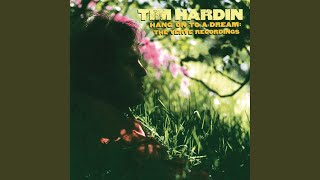
Watch the official If I Were A Carpenter
music video
Why the Jobs Matter So Much
The song moves through different trades: carpenter, tinker, and miller. None of these roles are glamorous. They involve making, carrying, grinding, and working with the body. That matters because Hardin is contrasting labor with elegance.
When the lyric mentions practical work and then hints at items tied to refinement, like soft shoes or art supplies, it draws a line between two lifestyles. One is rough, repetitive, and public. The other is polished and comfortable. The speaker wonders whether the partner would give up the second world for the first.
This is why phrases like worked my hands in wood
carry so much weight. The image is literal, but it also stands for effort, masculinity, and worth earned through labor. The song suggests that honest work should count for something. Still, the speaker is not fully sure it will.
The Chorus Turns Class Anxiety Into Emotional Need
The verses ask social questions, but the refrain goes deeper. When the speaker says Save my love through loneliness
and through sorrow
, the song leaves the world of jobs and enters the world of endurance.
That shift is crucial. The real issue is not only whether the partner would accept a poorer life. It is whether they would protect the bond during isolation, disappointment, and time. The unusual phrase my only-ness
makes the offer sound absolute. The speaker is giving their whole self, not just affection.
In return, they ask for your tomorrow
. That is a striking way to describe commitment. They are not requesting a mood or a promise for the night. They are asking for the future.
Save my love through loneliness
Save my love through sorrow
Those two lines are the emotional key to the song. They show that the deepest fear is abandonment under pressure.
How the Sound Supports the Meaning
Part of what makes the song endure is how modest it sounds. Hardin’s writing comes from the singer-songwriter and folk tradition, where the arrangement often serves the lyric instead of competing with it. The melody is direct, memorable, and slightly wistful. That emotional softness keeps the questions from sounding accusatory.
The performance style also matters. Rather than dramatizing every line, the song tends to let uncertainty sit in the open. A restrained vocal approach makes the doubts feel more human. Listeners do not hear a grand speech. They hear someone trying to sound steady while asking for reassurance.
Interpretation: That musical simplicity mirrors the song’s message. Just as the speaker strips life down to honest work and plain devotion, the arrangement strips the music down so the emotional risk stays exposed.
More Than a Proposal, Less Than a Guarantee
One reason the song remains powerful is its ambiguity. It can be heard in at least two ways:
- A sincere love test: The speaker wants proof that love is stronger than class.
- A confession of insecurity: The repeated questioning suggests they already fear the answer.
Both readings fit. The song never fully settles into confidence. Even when it imagines the partner saying yes, the repetition keeps the uncertainty alive. That is why the track still feels moving. It understands that love often includes doubt, especially when money, status, and self-worth enter the picture.
Why This Song Still Connects
For modern listeners in the United States, the song still lands because its central worry has not gone away. People still ask whether partners love them for who they are or for the life they can provide. Hardin frames that concern in old-fashioned imagery, but the emotional problem is timeless.
So the meaning of If I Were A Carpenter Tim Hardin is not just about a carpenter at all. It is about whether love can survive unequal backgrounds, hard work, and an uncertain future. They present devotion as something proven not by dreamy words, but by what someone is willing to endure.
That is what gives the song its lasting ache. It is tender, but it never feels fully safe.
Disclaimer: This interpretation is based on the song’s lyrics, performance, and cultural context. As with most great songs, listeners may hear different meanings in it.








